
Best Dog Parks Near Me: How to Find Safe, Quality Parks for Your Pup
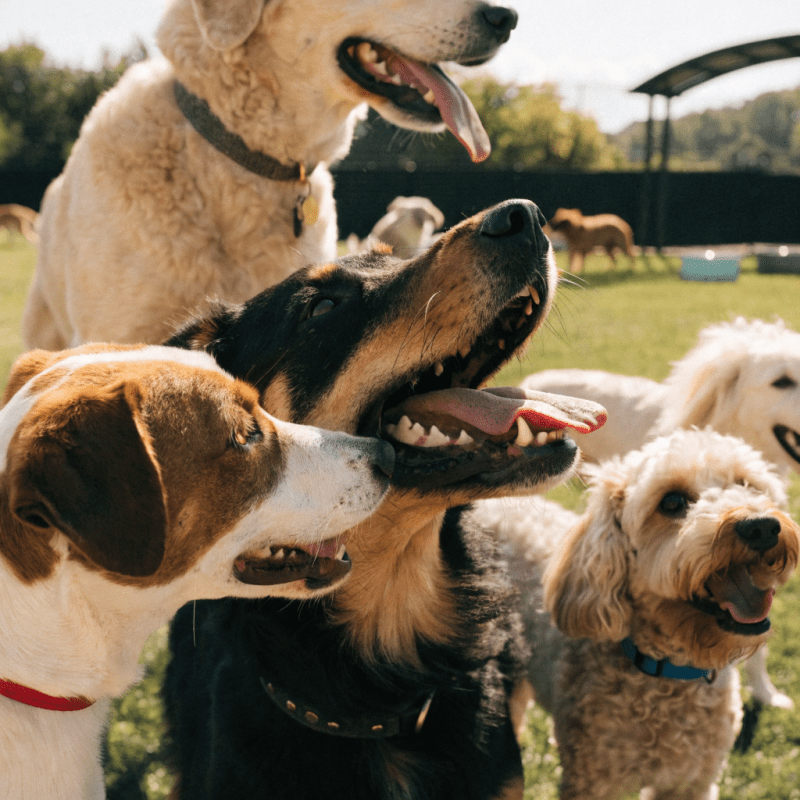
- Understanding What Makes a Quality Dog Park
- Essential Safety Features Every Dog Park Should Have
- Red Flags That Signal a Low-Quality Dog Park
- How to Search and Discover Dog Parks in Your Area
- Evaluating Amenities: Must-Haves vs. Nice-to-Haves
- Understanding Dog Socialization and Why Parks Matter
- Pre-Park Preparation: Getting Your Dog Ready
- On-Site Behavior Management and Safety During Visits
- After-Park Care and Health Monitoring
- Frequently Asked Questions (FAQs)
- Q1: At what age can puppies start visiting dog parks?
- Q2: How often should I take my dog to a dog park?
- Q3: What should I do if my dog gets into a fight at the dog park?
- Q4: Are dog parks safe, or should I avoid them?
- Q5: How do I help my aggressive dog get better around other dogs?
- Q6: What's the difference between a good dog park and a bad one?
- Conclusion
Finding the best dog parks near you doesn't have to be complicated. We'll show you exactly how to identify safe, well-maintained parks with proper amenities, avoid common safety hazards, and connect with other dog owners in your area. By the end of this guide, you'll have a proven system for spotting high-quality dog parks and knowing which ones are worth your time—plus the red flags to watch out for.
Your dog's exercise needs are real. Without proper outlets, dogs develop behavioral problems, gain weight, and miss out on critical socialization. But here's the challenge: not all dog parks are created equal. Some are overcrowded, poorly maintained, or downright unsafe. Others are quiet gems that your pup will love.
This guide walks you through finding the best dog parks near you with proven strategies that owners use across the country. We'll cover safety checks, amenities evaluation, location hunting tactics, and how to assess whether a park is truly worth the drive.
What you'll learn:
- How to spot safe, well-managed dog parks
- Red flags that signal a low-quality park
- The must-have amenities and nice-to-have features
- Tools and strategies for discovering parks in your area
- How to prepare your dog for first-time park visits
Let's get started.
Understanding What Makes a Quality Dog Park
Not all dog parks offer the same experience. A quality dog park isn't just an open space with a fence—it's a thoughtfully designed environment managed by people who prioritize safety and socialization.
The Core Elements of a Safe Dog Park
A well-maintained dog park has several key features. First, the fencing must be secure with no gaps or broken sections. Dogs are escape artists, and a loose wire or missing board creates liability. Second, water stations should be accessible and clean—dehydration is a real risk during outdoor play. Third, waste stations with trash bins must be well-stocked. Poor waste management attracts pests and spreads disease.
Supervision matters tremendously. Parks with on-site staff or active volunteer management see fewer conflicts and faster intervention when problems arise. Many parks also enforce rules like vaccinations, licensing, and behavioral standards. These aren't bureaucratic inconveniences—they're protective measures that keep sick and aggressive dogs out of the mix.
The ground surface affects joint health. Natural grass is ideal, but compacted dirt or concrete increases injury risk. Premium parks invest in proper drainage and ground maintenance to prevent mud puddles and rutted areas that can injure paws.
Why Fencing Design Matters
Fencing goes beyond perimeter security. Double-gate entry systems prevent dogs from bolting when owners enter or exit. A separate small-dog area keeps little pups safe from overzealous larger dogs. Some parks include additional features like shade structures, which prevent heat exhaustion during summer months.
Quality parks also monitor crowd density. A park that allows unlimited dogs during peak hours becomes chaotic. The best facilities manage capacity, sometimes through timed entry or reservation systems.
Layout and Zoning Strategies
The best dog parks separate spaces by size or temperament. Shy, calm dogs need different conditions than high-energy athletes. Some parks create separate sections for timid dogs or senior pups, allowing them to play without feeling overwhelmed. This thoughtful design prevents anxiety and reduces conflicts.
Essential Safety Features Every Dog Park Should Have
Before you pull into a parking lot, know what safety features to look for. These features determine whether a park is genuinely safe or just operating on assumptions.
Vaccination and Health Requirements
Legitimate dog parks require proof of vaccinations—specifically rabies, DHPP (distemper), and sometimes Bordetella (kennel cough). These requirements aren't optional for quality facilities. Parks that don't ask about vaccination status are gambling with every dog's health. When you visit, ask directly: "How do you verify vaccination records?" The answer reveals how seriously they take health protocols.
Some parks require annual licensing or membership. Yes, this costs money and time, but it's an excellent filter. Owners willing to jump through hoops for access are usually more responsible dog handlers.
Behavioral Screening and Aggression Protocols
Quality parks implement some form of behavioral assessment. New dogs might get an introductory visit to see how they interact with the group. Aggressive or excessively dominant dogs shouldn't have access to off-leash areas. Parks with strong management ask about your dog's history: "Has your dog ever had conflicts with other dogs? Any resource guarding issues?"
The best parks remove dangerous dogs immediately. You should see staff or volunteers actively monitoring play, not sitting in offices. If a dog is being bullied, staff should intervene. If a dog is bullying others, the owner should be asked to leave.
Environmental Safety Checkpoints
Walk the perimeter before letting your dog loose. Check for:
- Broken fencing or gaps where dogs could escape
- Sharp objects like metal edges or broken branches
- Toxic plants or fungi
- Poor drainage creating disease-prone puddles
- Visible waste or contamination
Poisonous plants are more common than most owners realize. Sago palms, lilies, and certain mushrooms are deadly to dogs. A quality park staff knows what grows in their facility and removes hazards regularly.
Also assess traffic proximity. A park next to a busy road poses obvious risks. Emergency exits from injured or escaped dogs become complicated in poorly located parks.
Adequate Supervision Presence
The difference between a good park and a mediocre one often comes down to supervision. Volunteer-run parks with active community members create safer environments than completely unmonitored spaces. Look for evidence of recent maintenance—picked-up waste, filled water bowls, cleared sightlines.
Red Flags That Signal a Low-Quality Dog Park
Some dog parks should be avoided completely. Recognizing red flags before you visit saves frustration and protects your pup's health and safety.
Management and Accountability Issues
If you can't find contact information or an official manager, that's your first warning. Quality parks have clear points of contact and established procedures. When you call with a question, can they answer? Do they take feedback? Parks that dismiss concerns or refuse to discuss safety standards aren't worth your time.
Outdated facilities with years of apparent neglect signal low investment. Broken equipment, overgrown vegetation, and crumbling infrastructure indicate a park that's deprioritized maintenance. These conditions create injury hazards and harbor parasites.
Watch for parks that don't enforce any rules. If dogs are clearly aggressive and owners do nothing, if unvaccinated dogs are obviously welcome, if waste isn't managed—keep driving. Lawlessness in dog parks inevitably leads to fights, injuries, or disease transmission.
Health and Hygiene Concerns
Visible contamination is a dealbreaker. Piles of unmanaged waste, stagnant water, or obvious fouling of water stations means parasite and disease transmission. Giardia, roundworms, and coccidia spread fast in poorly maintained environments. If your dog spends an hour at a contaminated park, they could spend weeks dealing with intestinal parasites.
Pay attention to the dogs already at the park. Do they look healthy, well-groomed, and appropriately socialized? Or are they thin, anxious, or showing signs of illness? The general health appearance of regular visitors tells you about park culture.
Ask about pest control. Mosquitoes, ticks, and fleas thrive in poorly maintained parks. If the facility doesn't address pest management, expect parasite exposure.
Aggressive Dog Presence
If you witness conflict and nobody intervenes, leave immediately. A dog park where fights happen and staff ignores them isn't just unpleasant—it's dangerous. One bad interaction can traumatize your dog or result in serious injury.
Watch for repeat aggressive owners. Some dog parks develop reputations for aggressive dogs whose owners refuse to remove them. Communities talk. If you hear warnings about specific owners or dogs, take them seriously.
Crowd and Density Problems
Overcrowded parks during peak hours create chaos. If every dog is running frantically and owners can't see or control their animals, it's too busy. Overcrowding increases accident risk and reduces genuine play quality. Your dog will have a better experience in an uncrowded park with just a few friendly dogs than in a packed facility with dozens.
How to Search and Discover Dog Parks in Your Area
Finding quality dog parks requires both digital tools and old-fashioned reconnaissance. Use multiple strategies to build your list.
Digital Search Tools and Apps
Google Maps is your starting point. Search "dog parks near me" and you'll get a quick list with ratings, reviews, and photos. Read recent reviews carefully—people freely share negative experiences. If you see consistent complaints about aggression, poor maintenance, or unfriendly staff, add that park to your "skip" list.
BringFido is a dedicated dog community app and website that maps dog parks globally. Owners rate facilities on amenities, cleanliness, and safety. Filter by your preferences—some parks are better for puppies, others for seniors. The community reviews on BringFido tend to be detailed and helpful.
DogPark.com provides similar functionality with searchable databases by location. Some entries include owner comments about specific amenities and challenges. You'll find parks others might miss through these specialized platforms.
Facebook groups for your area often have dog owner communities. These informal networks know the real story about local parks. Someone will have recent experience with every major park and will share honestly about which ones to avoid.
Direct Community Outreach
Visit local dog supply stores or veterinary clinics. Ask staff: "Where do your customers take their dogs?" Pet professionals have frontline insight into which parks are popular and why. They've heard about bad experiences and good finds from dozens of dog owners monthly.
Talk to other dog owners you meet while walking. Casual conversations reveal hidden gems and serious warnings. A friendly owner walking their pup near a park can tell you whether it's worth visiting.
Physical Reconnaissance
Visit during different times of day before bringing your dog. Morning visits show different dynamics than evening. Some parks are quiet and empty in the afternoon—perfect if you have a shy dog. Others are packed with energetic dogs at 6 PM—great for dogs who need serious play.
Assess conditions yourself:
- How many dogs are present?
- What's the age and size range?
- Are owners actively engaged or distracted?
- How's the cleanliness?
- Is management present or visible?
- How's the general vibe?
These observations take 15 minutes and save you from bad experiences. Your dog's safety and happiness depend on making an informed choice.
Reading Reviews Strategically
Not all reviews are equal. Detailed, specific reviews are more valuable than vague ones. "Great park!" tells you nothing. "Well-maintained facilities, friendly owners, strong enforcement of rules, but it gets overcrowded after 5 PM" gives you actual information.
Be skeptical of extreme reviews. One person's "worst park ever" might reflect one bad experience. Look for patterns across multiple reviews rather than relying on outliers.
Evaluating Amenities: Must-Haves vs. Nice-to-Haves
Not all dog parks have identical features. Understanding the difference between essential amenities and luxury additions helps you prioritize correctly.
Must-Have Amenities
These features are non-negotiable for a quality park experience. Functioning water stations prevent dehydration and heat stress. Multiple water sources ensure dogs can always get a drink without waiting or fighting over limited access.
Waste stations with abundant bags and trash bins are essential. Clean parks are healthy parks. If a facility consistently runs out of waste bags or trash bins overflow, that's a management failure.
Shade structures or naturally shaded areas matter, especially during hot months. Parks without adequate shade create heat exhaustion risk. Look for permanent structures or dense tree coverage.
Proper fencing with secure gates ensures containment. A dog with a slip collar or lost collar shouldn't escape, and gates should be designed so dogs can't bolt when humans enter or exit.
Separation by size category—typically small dogs under 25 pounds and larger dogs above—prevents injury from size mismatches. A Chihuahua needs protection from an excited Great Dane, even if no aggression is involved.
Nice-to-Have Amenities
Beyond basics, some parks offer extras that enhance experience. Agility equipment, tunnels, or obstacle courses provide mental and physical stimulation. Some dogs love these challenges; others ignore them. Either way, they're bonuses rather than requirements.
Seating for owners creates community and allows comfortable supervision. Parks with benches become social gathering spots, which often improves overall culture and rule enforcement.
Dog washing stations or rinse areas let you clean muddy dogs before driving home. These are incredibly convenient, especially after rain.
Parking availability affects whether you'll actually visit. A park with ample parking sees regular use; one requiring street parking might be overlooked during busy times.
Condition Assessment Checklist
- Turf condition: Is grass healthy or worn to bare patches?
- Water station function: Do bowls fill properly? Is water clean?
- Waste stations: Are bags and bins well-stocked?
- Equipment maintenance: Any broken or unsafe structures?
- Overall cleanliness: Recent waste or piled debris?
- Drainage: Are there puddles indicating poor water management?
These observable conditions reveal management priorities. A park that invests in regular maintenance signals commitment to quality.
Dog parks serve a critical developmental function beyond simple exercise. Understanding the socialization benefits helps you choose parks strategically.
Your dog's early experiences shape lifelong behavior. Puppies learn how to interact with unfamiliar dogs during socialization windows—especially between weeks 3-16. Positive park experiences build confidence and appropriate play skills. Dogs who miss socialization often develop fear, aggression, or excessive anxiety around other dogs.
Adult dogs benefit from regular socialization too. Consistent positive interactions maintain social skills and prevent isolation-based behavioral problems. An older dog who hasn't visited parks recently might feel anxious around new dogs—regular exposure helps.
For a deeper dive into this critical developmental stage, check out our complete puppy socialization checklist guide, which covers exactly how to introduce your young pup to different environments safely.
How to Use Parks for Behavioral Training
Quality parks provide real-world training opportunities. Your dog learns to respond to commands amid distractions. They practice impulse control when other dogs are nearby. They experience consequences for inappropriate behavior from other dogs—feedback far more nuanced than any human can provide.
If you're working on specific behavioral challenges, choose parks strategically. A shy dog benefits from quiet parks with calm, friendly regulars. An energetic dog needs high-play-value environments. A dog working on aggression issues might need private training before parks are safe.
Off-Leash Play and Skill Development
Off-leash parks allow dogs to move naturally without restraint. They chase, play, wrestle, and learn body language from other dogs. These interactions develop confidence and social competence. A dog who's never had off-leash play with peers often struggles to understand canine communication.
Monitor your dog's play style and adjust accordingly. If your dog dominates play, rotate to quieter parks with more self-confident dogs. If your dog gets bullied, remove them and try calmer environments. Quality park visits should be positive for both you and your dog.
Pre-Park Preparation: Getting Your Dog Ready
A successful park visit starts before you arrive. Proper preparation prevents stress, injury, and behavioral problems.
Health and Vaccination Prerequisites
Before any park visit, verify your dog's current vaccinations. Rabies, DHPP, and Bordetella (kennel cough) are non-negotiables. Talk to your vet: "Is my dog healthy enough for off-leash park play?" Puppies under 16 weeks, senior dogs with joint issues, or dogs with medical conditions might need restricted or delayed park exposure.
If your dog has resource guarding issues or shows aggression toward other dogs, consult a trainer before attempting parks. These behavioral issues require professional guidance, and premature park exposure can worsen problems.
Physical Exercise and Feeding Timing
Bring your dog to the park with some initial energy already expended. A short walk or 15-minute play session beforehand prevents them from arriving hyper and overstimulated. A calmer dog integrates better into park dynamics.
Feed your dog at least 2-3 hours before the park visit. Full stomachs during intense play increase bloat risk, a potentially fatal condition in some breeds. Timing meals correctly removes this risk factor.
Collar, Leash, and ID Preparation
Use a well-fitting collar or harness—nothing loose that could slip off. Microchipping and ID tags are insurance. Leashes should be readily accessible in case you need to remove your dog quickly from a situation.
Many park experts recommend avoiding retractable leashes. If you need to control your dog quickly, a standard leash is more reliable.
Mental Preparation and First-Visit Strategy
Your dog picks up on your anxiety. If you're nervous about the park, your dog will sense that. Approach your first visit as exploration, not performance. You're not trying to prove anything—just introducing your dog to a new environment.
Arrive during quieter hours for first visits. A few calm dogs and fewer people create ideal conditions for a nervous dog to acclimate.
On-Site Behavior Management and Safety During Visits
Once you're at the park, active supervision and smart decision-making protect your dog.
Monitoring Play Styles and Intervening When Needed
Watch your dog constantly. You're responsible for noticing problems early. Signs of stress include tucked tails, pinned ears, excessive panting, or seeking to hide. If your dog shows any of these, it's time to exit.
Overly rough play might be fine if all dogs are enjoying it, but you know your dog best. Some pups prefer gentle interactions while others love wrestling. Ensure your dog is playing with compatible companions.
Separate your dog immediately if they show aggression or if another dog targets them. There's no shame in leaving early if things aren't working. A negative early experience creates lasting anxiety—cut losses quickly if things go south.
Managing Resource Guarding at Parks
Dogs who guard toys or bones shouldn't have those items at parks. Remove anything your dog guards intensely. If toy sharing is a problem, avoid parks with shared equipment or bring only toys your dog willingly shares.
Some dogs do fine without toys; others need them for play. Know your dog's needs and manage accordingly.
Recognizing Signs of Heat Stress
Heat exhaustion sneaks up fast. Watch for excessive panting, drooling, lethargy, or vomiting. Take immediate breaks in shade. Offer water frequently. If your dog seems unwell, leave immediately and monitor closely.
Hot weather park visits should be limited in duration. Morning or evening hours are safer than midday play.
Preventing Dog-to-Dog Conflict
If two dogs are having a conflict, don't panic—most dog disagreements resolve quickly. However, if it escalates to actual fighting, you need to separate them. Never reach into a fight with bare hands. Use a water bottle, throw objects to distract, or call the other owner for help. Your safety matters too.
The best conflict prevention is choosing parks and times that match your dog's temperament.
After-Park Care and Health Monitoring
The park visit doesn't end when you leave. Post-visit monitoring ensures no health issues developed.
Immediate Post-Park Cleaning
Rinse your dog with clean water, especially paws and belly areas that picked up dirt and bacteria. This simple step removes parasites, bacteria, and dirt before they become problems. If your park has shower facilities, use them immediately after visiting.
Check your dog for cuts, scratches, or injuries sustained during play. Most are minor, but proper wound care prevents infection. Small cuts should be cleaned and monitored.
Parasite Risk Management
Dog parks expose your dog to parasites—ticks, fleas, internal worms, and protozoa like giardia. Maintain year-round parasite prevention through veterinary-approved products. Monthly flea and tick prevention is standard; ask your vet about tick-borne disease prevention in your region.
Watch for signs of parasitic infection: excessive scratching, diarrhea, lethargy, or visible worms in stool. If any appear, contact your vet promptly.
Behavioral and Psychological Assessment
Did your dog have a good experience? Do they show confidence or anxiety about returning? Positive park experiences create dogs who seek out social interaction. Bad experiences can create lasting fear.
Journal your observations: "Friendly with small dogs, nervous around large dogs," or "Loved playing with Labradors, guarded over tennis balls." These notes help you choose better parks and timing for future visits.
If your dog developed anxiety or behavioral problems following a park visit, discuss with your trainer. Sometimes one bad interaction requires professional support to prevent lasting damage.
Regular Veterinary Check-ins
Schedule regular vet visits if your dog is a frequent park-goer. Your vet can monitor for parasites, check overall health, and catch issues early. Annual bloodwork screens for disease exposure.
For more information about keeping your dog healthy in general, check out our guide on natural dog allergy relief and proper bathing frequency by breed.
Frequently Asked Questions (FAQs)
Q1: At what age can puppies start visiting dog parks?
Most experts recommend waiting until puppies complete their vaccination series, typically around 16-18 weeks old. Before full vaccination, your puppy is vulnerable to serious diseases like parvovirus. Some facilities allow vaccinated puppies as young as 12 weeks with vet clearance, but check your specific park's policy. Never bring an unvaccinated puppy to a public park, regardless of age.
Q2: How often should I take my dog to a dog park?
Frequency depends on your dog's age, health, and temperament. Young, energetic dogs benefit from 3-5 visits weekly. Senior dogs might do well with 1-2 visits. Some dogs thrive on social interaction; others are content with backyard play and leash walks. Observe your dog's enthusiasm and adjust accordingly. Quality over quantity matters—one great park experience beats five mediocre ones.
Q3: What should I do if my dog gets into a fight at the dog park?
Try to separate the dogs without physically inserting your hands into the fight. Create distance by moving toward the other dog or removing your dog from proximity. Call your vet if injuries occurred, even minor ones, to assess infection risk. Document what happened and which dog was involved. If the park has management, report the incident. If aggression continues or your dog was injured, you may need to pursue legal action or avoid that park going forward.
Q4: Are dog parks safe, or should I avoid them?
Dog parks carry risks like any social environment, but proper selection and precautions make them safe. Choosing well-managed parks, maintaining vaccination status, monitoring play actively, and leaving if conditions deteriorate minimizes risk dramatically. The socialization and exercise benefits usually outweigh risks for most dogs, but individual assessment is necessary—some dogs shouldn't visit parks due to aggression or medical issues.
Q5: How do I help my aggressive dog get better around other dogs?
Don't use dog parks as training tools for aggression. Work with a certified professional dog trainer or behaviorist first. Aggression requires structured, controlled exposure—not chaos of off-leash play. Your trainer might recommend controlled group classes, one-on-one sessions, or behavioral medication before parks become safe. Gradual exposure with positive reinforcement works, but it requires professional guidance.
Q6: What's the difference between a good dog park and a bad one?
Good parks maintain facilities, enforce vaccination/behavioral rules, have supervision, manage capacity, provide amenities like water and shade, and address problems quickly. Bad parks ignore maintenance, don't verify vaccinations, have no supervision, allow aggressive dogs, and create unsafe conditions. The difference is obvious once you visit—good parks feel welcoming and safe; bad parks feel neglected and chaotic.
Conclusion
Finding the best dog parks near you transforms your dog's life. Quality parks provide essential exercise, critical socialization opportunities, and community connection for both you and your pup. But not all parks deserve your time.
Use this guide to evaluate parks strategically. Check for safety features, amenities, and management quality before committing. Read reviews, visit during different times, and trust your instincts. If a park doesn't feel safe, move on—plenty of alternatives exist.
Start with digital tools like Google Maps and BringFido, then add personal reconnaissance. Talk to local dog owners and vet staff. Try parks during quieter hours first. Monitor your dog's health and behavior closely after visits.
The investment of time finding quality parks pays dividends in your dog's happiness, fitness, and social development. Your dog depends on you to make smart choices. With the strategies in this guide, you're equipped to find parks where your dog thrives.
Looking for inspiration on how to keep your dog healthy overall? Check out our guide on best dog foods for sensitive stomachs and learn more about dog training fundamentals to support good park behavior.
Ready to find your dog's new favorite place? Start searching today and watch your pup's confidence soar.