
Dog Allergies: Signs, Causes, and Natural Relief Remedies

- Understanding Canine Allergies
- Recognizing the Signs
- Identifying Common Allergens
- Natural Approaches That May Provide Relief
- Topical Natural Treatments
- Dietary Strategies
- Environmental Management
- Managing the Itch and Licking Cycle
- When to See a Vet
- Frequently Asked Questions About Dog Allergies
- Conclusion: Helping Your Dog Live More Comfortably
If your dog spends half the day scratching, licking their paws, or shaking their head, allergies could be one possible explanation. However, itching can also be caused by fleas, infections, parasites, skin disease, or other medical conditions, so identifying the underlying cause is important.
Dog allergies can cause significant discomfort and may contribute to skin damage and secondary infections when itching and scratching continue unchecked. The good news is that, once the trigger has been identified, several practical strategies can help reduce your dog's exposure to allergens and support healthier skin.
This guide explains the most common signs of allergies in dogs, the allergens that are most often involved, natural approaches that may provide supportive relief, dietary strategies, environmental management, and the situations in which veterinary care is essential.
By the end of this guide, you'll have a clearer understanding of what may be causing your dog's itching and what steps you can take next.
Learn more about food-related sensitivities in our guide to the best dog food for sensitive stomachs.
Understanding Canine Allergies
How Dog Allergies Develop
A dog's immune system can react excessively to substances that are normally harmless. These substances are called allergens and may include pollen, mold, dust mites, flea saliva, or particular ingredients in food.
When a sensitive dog encounters an allergen, the immune response can trigger inflammation and itching. Repeated exposure can make the problem persistent, which is why some dogs develop noticeable allergy symptoms after years of apparently normal eating or living conditions.
Veterinarians generally group allergic skin disease in dogs into several categories, including environmental allergies, food allergies, and flea allergy dermatitis. Contact reactions can also occur, although they are generally less common.
Why Your Dog's Skin Matters
Chronic itching can damage the skin barrier. Scratching, chewing, and licking may create small wounds that allow bacteria or yeast to multiply, potentially leading to secondary infections.
This is one reason early attention matters. Treating the underlying cause while protecting the skin can help prevent a relatively simple allergy problem from becoming a much more complicated skin condition.
Recognizing the Signs
Common Symptoms to Watch For
The most noticeable sign of allergic skin disease is often persistent itching. Your dog may scratch, chew, lick, or rub particular areas repeatedly.
Commonly affected areas include:
- Paws and between the toes
- Ears
- Face and muzzle
- Armpits
- Groin and belly
- Base of the tail
Other signs can include redness, hair loss, irritated skin, scabs, recurrent ear problems, and unpleasant skin or ear odors.
Some dogs primarily lick their paws rather than scratching. If your dog repeatedly focuses on one area, don't assume it is simply a habit. Persistent licking can be a sign of itchiness, pain, infection, or another underlying problem.
Subtle Signs Many Owners Miss
Allergic dogs don't always look obviously uncomfortable. You may notice frequent grooming, rubbing the face against furniture, occasional head shaking, recurrent ear discharge, or redness between the toes.
Pay attention to patterns. Symptoms that become noticeably worse during particular seasons may suggest an environmental trigger. Symptoms that remain consistent throughout the year can have many possible causes, including food allergy, dust mites, fleas, or chronic skin disease.
Identifying Common Allergens
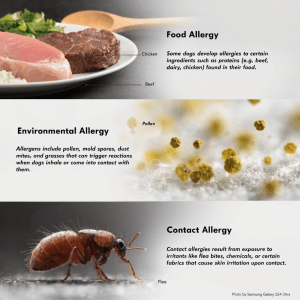
Food Allergies
Food allergies in dogs are usually reactions to proteins. Beef, dairy products, chicken, and other animal proteins are among the ingredients that can be involved.
However, it's important not to assume that a particular ingredient is responsible simply because it is common. Dogs can develop allergies to ingredients they have eaten repeatedly, and food allergies are generally less common than environmental allergies.
Grain-free food is not automatically better for an allergic dog. Unless a veterinarian has identified a specific dietary trigger, removing grains alone may not address the underlying problem.
The most reliable way to investigate a suspected food allergy is a properly managed elimination diet, ideally under veterinary guidance.
Looking for food options? Read our guide to the best dog food for sensitive stomachs.
Environmental Allergens
Environmental allergies are common causes of chronic itching in dogs. Potential triggers include:
- Grass pollen
- Tree pollen
- Weed pollen
- Mold spores
- Dust mites
Some environmental allergies are seasonal, while others can cause symptoms throughout the year.
If your dog's itching becomes noticeably worse during a particular season or after spending time outdoors, environmental allergens may be contributing to the problem.
Flea Allergies
Flea allergy dermatitis deserves special attention because highly sensitive dogs can develop severe itching from flea bites.
You may not see fleas on your dog even when fleas are involved. Dogs can groom away visible fleas, while flea exposure may still be enough to trigger a reaction.
Consistent, veterinarian-recommended flea prevention is therefore an important part of managing an itchy dog.
Contact Reactions
Some dogs develop localized irritation after contact with particular materials or substances. Possible triggers include certain fabrics, plastics, cleaning products, or topical products.
Contact reactions tend to affect areas that directly touch the suspected irritant, making the pattern of irritation particularly useful when trying to identify the cause.
Natural Approaches That May Provide Relief
Natural approaches can support skin health, but they should not be considered substitutes for veterinary diagnosis or treatment when a dog has significant or persistent symptoms.
Omega-3 Fatty Acids
Omega-3 fatty acids, particularly EPA and DHA, have anti-inflammatory properties and may support healthy skin in dogs with allergic skin disease.
They are generally considered a supportive measure rather than an immediate solution. Benefits may take several weeks to become noticeable.
If you are considering a fish-oil supplement, choose a product formulated for dogs and discuss the appropriate dose with your veterinarian. Dosing depends on the product, the dog's size, diet, and overall health.
Quercetin
Quercetin is a plant-derived flavonoid sometimes described as a natural antihistamine. It has antioxidant and anti-inflammatory properties, but evidence for its effectiveness specifically in dogs with allergies is limited.
Because supplements can interact with medications or be inappropriate for certain dogs, speak with your veterinarian before adding quercetin to your dog's diet.
Probiotics and Gut Health
The gut microbiome plays an important role in immune function, and probiotics may provide benefits for some dogs.
However, probiotic products vary considerably in bacterial strains, concentrations, and quality. There is no universal probiotic formula or dosage that works for every dog with allergies.
If you want to try a probiotic, look for a reputable canine-specific product and discuss the choice with your veterinarian.
Topical Natural Treatments
Oatmeal Baths
Colloidal oatmeal can be soothing for irritated skin. A lukewarm oatmeal bath may temporarily reduce discomfort and help remove environmental allergens from the coat.
Use lukewarm rather than hot water, as excessive heat can worsen dryness and irritation.
Follow the instructions on a veterinary-approved or pet-specific colloidal oatmeal product. Avoid getting the product into your dog's eyes or allowing your dog to ingest large amounts of bath water.
Coconut Oil
Coconut oil is sometimes used as a home remedy for dry or irritated skin. However, evidence supporting coconut oil as a treatment for canine allergies is limited.
It can also make the coat greasy and may cause digestive upset if a dog consumes a significant amount by licking it.
For these reasons, coconut oil should not replace treatment for an active infection or serious skin condition.
Avoid Undiluted Essential Oils
Essential oils deserve particular caution around dogs. Concentrated essential oils can be irritating or toxic when ingested or improperly applied.
Never assume that a natural product is automatically safe for pets. Before using any essential oil or herbal preparation on your dog, consult your veterinarian.
Paw Cleaning
Cleaning your dog's paws after outdoor walks can help remove pollen, dirt, and other potential irritants.
A simple approach is to wipe the paws with a damp cloth or rinse them with clean water, then dry thoroughly, especially between the toes.
Avoid frequent use of strong soaps or disinfectants because they can damage the skin barrier and make irritation worse.
Dietary Strategies
Elimination Diets
A properly conducted elimination diet is one of the most useful tools for investigating suspected food allergies.
The basic principle is simple: your dog eats a carefully selected diet containing ingredients they have not previously consumed, or a veterinary therapeutic diet designed for elimination trials.
The diet must be followed strictly for the period recommended by your veterinarian. Treats, table scraps, flavored medications, chews, and supplements can interfere with the trial.
If your dog's symptoms improve, your veterinarian may recommend carefully reintroducing previous ingredients to determine whether a specific food is responsible.
Because food allergy diagnosis can be complicated, veterinary supervision is particularly valuable during an elimination trial.
Raw and Home-Cooked Diets
A raw diet is not automatically an allergy treatment. Raw feeding can also introduce risks related to bacterial contamination and nutritional imbalance.
Home-cooked diets can be useful in carefully selected cases, but they need to be nutritionally complete and balanced. A veterinary nutritionist can help formulate an appropriate diet when necessary.
The main advantage of a carefully controlled diet is not that it is raw or minimally processed. The advantage is that the ingredients can be controlled accurately while investigating a suspected food trigger.
Limited-Ingredient Foods
Limited-ingredient diets can make ingredient management easier, but the number of ingredients alone does not prove that a food is suitable for an allergic dog.
For a genuine food-allergy investigation, a veterinarian may recommend a therapeutic elimination diet because over-the-counter foods can contain trace amounts of other proteins due to manufacturing cross-contact.
Environmental Management
Create a Cleaner Sleeping Area
Your dog spends a large portion of the day resting, so keeping bedding clean can help reduce exposure to environmental irritants.
- Wash bedding regularly according to the manufacturer's instructions.
- Vacuum carpets and upholstery frequently.
- Keep sleeping areas dry and well ventilated.
- Consider a washable dog bed cover.
- Reduce dust accumulation around favorite resting areas.
A HEPA air purifier may also be useful in some homes, although it should be viewed as one part of an overall environmental-management strategy rather than a complete solution.
Control Humidity and Mold
Excess indoor moisture can encourage mold growth and contribute to an unhealthy indoor environment.
Keep damp areas such as bathrooms, basements, and laundry rooms clean and well ventilated. Address visible mold and water leaks promptly.
If your home has persistent moisture problems, correcting the source is more important than simply treating the symptoms.
Grooming and Allergen Removal
Regular grooming can help remove pollen and other particles from your dog's coat.
During periods of high pollen exposure, wiping your dog's paws and coat with a damp cloth after outdoor activities can reduce the amount of allergen brought indoors.
Bathing frequency should depend on your dog's skin condition and the products being used. Over-bathing with harsh shampoos can damage the skin barrier, so use gentle, dog-specific products.
Managing the Itch and Licking Cycle
Redirect Excessive Licking
Once a dog develops a habit of licking an irritated area, the behavior can continue even after the original trigger has improved.
Gentle redirection can help. Offer a puzzle toy, food-stuffed toy, or another appropriate activity when your dog begins licking excessively.
Do not punish your dog for licking. Instead, calmly interrupt the behavior and reward alternative activities.
Reduce Stress
Stress can contribute to repetitive behaviors such as licking and chewing. Regular exercise, mental stimulation, predictable routines, and positive interaction can help support your dog's overall wellbeing.
If excessive licking continues despite addressing possible medical causes, ask your veterinarian whether anxiety, pain, or another behavioral issue could be contributing.
Use Positive Reinforcement
Reward your dog when they are calmly resting, playing, or engaging with an appropriate toy rather than focusing on an irritated area.
Positive reinforcement can be especially useful alongside treatment for the underlying skin problem.
For more training ideas, read our guide on how to train a dog in 5 simple steps.
When to See a Vet
Red Flags That Need Prompt Veterinary Attention
Some allergic reactions can become emergencies.
Seek emergency veterinary care immediately if your dog develops difficulty breathing, severe facial swelling, collapse, or other signs of a potentially serious allergic reaction.
You should also contact your veterinarian when you notice:
- Open sores or significant skin damage
- Oozing or bleeding skin
- Strong or unusual skin odor
- Persistent ear discharge
- Severe redness or swelling
- Repeated infections
- Intense itching that does not improve
- Sudden or rapidly worsening symptoms
These signs may indicate a bacterial or yeast infection, parasites, or another condition requiring specific treatment.
Allergy Testing
Veterinarians may use different diagnostic approaches depending on the suspected allergy.
For environmental allergies, intradermal or blood-based allergy testing can sometimes help identify relevant allergens and guide immunotherapy. These tests are generally not considered reliable substitutes for an elimination diet when diagnosing food allergies.
If food allergy is suspected, a properly supervised elimination diet followed by controlled food challenges is generally more useful than relying on commercial blood or saliva tests.
When Prescription Treatment Is Appropriate
Natural approaches are not sufficient for every dog. Some dogs need prescription treatment to control severe itching, inflammation, or secondary infections.
Depending on the diagnosis, veterinarians may consider medications such as oclacitinib, lokivetmab, corticosteroids, antibiotics, antifungal medication, or other treatments.
The appropriate treatment depends on the underlying cause, your dog's age, medical history, other medications, and severity of symptoms.
For dogs with confirmed environmental allergies, allergen-specific immunotherapy may also be an option. It is designed to gradually modify the immune response and can provide long-term benefits for some dogs.
Frequently Asked Questions About Dog Allergies
Can Dogs Outgrow Allergies?
Short answer: Most chronic allergies are managed rather than permanently cured.
Some dogs may experience changes in symptom severity over time, but owners should not rely on allergies disappearing on their own. Identifying triggers and maintaining an appropriate long-term management plan is usually more effective.
How Quickly Do Natural Remedies Work?
Short answer: It depends on the approach and the underlying cause.
Simple measures such as removing pollen from the coat or using a soothing bath may provide temporary relief relatively quickly. Nutritional supplements, when appropriate, generally require longer-term use before their effects can be evaluated.
If your dog's itching is severe, waiting several weeks for a home remedy to work may allow skin damage or infection to develop. Veterinary assessment is important in persistent cases.
Should I Try Several Remedies at Once?
Short answer: It's usually better to make changes systematically.
Introducing multiple supplements, dietary changes, shampoos, and topical products at the same time makes it difficult to determine what is helping or causing irritation.
Start with safe, simple measures and keep track of your dog's symptoms. For significant allergy problems, work with your veterinarian to create a structured treatment plan.
Can Seasonal Allergies Be Prevented?
Short answer: You may be able to reduce exposure and manage symptoms before they become severe.
During periods when pollen counts are high, regular paw cleaning, appropriate bathing, environmental cleaning, and veterinary-recommended treatment can help reduce the impact of seasonal allergies.
Is a Grain-Free Diet Necessary for Dog Allergies?
Short answer: No.
Grain-free food is not inherently better for dogs with allergies. Food allergies can involve many different ingredients, and grains are not automatically responsible for chronic itching.
The goal of an elimination diet is to identify the specific ingredient responsible rather than remove an entire category of foods without evidence.
How Do I Know Whether My Dog Has Food or Environmental Allergies?
Short answer: The pattern can provide clues, but diagnosis requires a structured approach.
Seasonal itching may suggest an environmental allergy, while year-round symptoms can have many causes, including food allergy. A properly managed elimination diet is the most useful way to investigate suspected food allergy.
Conclusion: Helping Your Dog Live More Comfortably
Dog allergies can be frustrating, especially when your pet is constantly scratching, licking, or dealing with recurrent ear and skin problems. The key is to avoid treating itching as the diagnosis itself.
Instead, focus on identifying the underlying trigger and protecting your dog's skin while the cause is investigated.
Simple measures such as regular grooming, paw cleaning, clean bedding, appropriate bathing, and reducing exposure to suspected allergens can provide useful support. Nutritional supplements may also have a role for some dogs, but they should be selected carefully and discussed with your veterinarian.
Most importantly, don't ignore persistent or severe symptoms. Allergies can contribute to secondary infections, and some conditions that look like allergies require completely different treatments.
With the right combination of veterinary guidance, trigger management, skin care, and appropriate lifestyle changes, many dogs with allergies can live comfortable and active lives.
Want to improve your dog's nutrition too? Explore our comprehensive guide to the best dog food for sensitive stomachs.