
10 Cheap & Easy Homemade Toys Your Dog Will Love
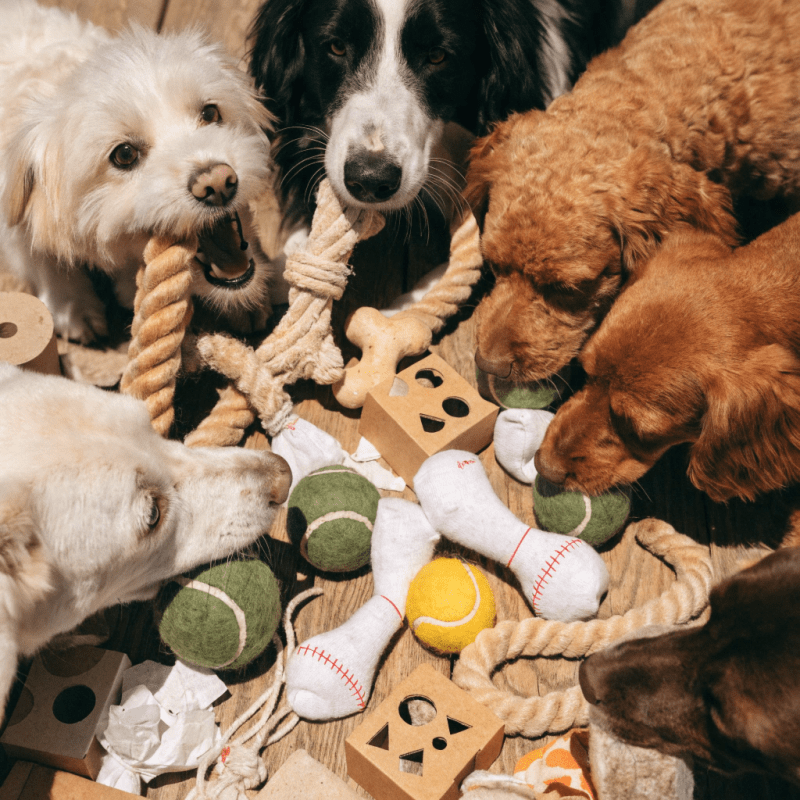
- Why DIY Dog Toys Matter (Beyond Just Saving Money)
- Safety First: Materials to Avoid When Building DIY Dog Toys
- The Rope Toy Challenge (Perfect for Tug-of-War)
- Stuffed Sock Surprise (Budget Feather in Your Cap)
- Cardboard Box Maze (Environmental Enrichment Engine)
- Tennis Ball Puzzle (Nosework Champion Tool)
- Ice Cube Treat Dispenser (Hot Weather Lifesaver)
- Plastic Bottle Crinkler (Crunch Obsession Channel)
- DIY Tug Toy from Old T-Shirts (Upcycling Excellence)
- Sock Knot Combo (Two-in-One Power Play)
- Advanced Sniff Box (Nosework Mastery Level)
- FAQ Section: Your DIY Dog Toy Questions Answered
- What materials are actually safe for DIY dog toys?
- How often should I rotate dog toys to prevent boredom?
- Can I genuinely use household items for dog toys without risk?
- Are homemade toys genuinely as durable as store-bought versions?
- What size toys work best for different dog breeds?
- How do I make puzzle toys at home without specialized equipment?
- Conclusion: Building Your DIY Toy Arsenal
Homemade dog toys cost 90% less than store-bought alternatives while keeping your pup entertained for hours. We'll show you exactly how to craft 10 durable, safe DIY toys using common household items—no special skills required. From rope toys to puzzle feeders, these budget-friendly solutions tap into your dog's natural instincts and strengthen your bond.
DIY Dog Toys: 10 Cheap & Easy Homemade Toys Your Dog Will Love
Your dog doesn't care whether a toy came from an upscale pet boutique or your kitchen junk drawer. What matters? It's engaging, durable, and keeps them mentally stimulated. Here's the thing: quality dog toys cost $15–$40 each, and most dogs destroy them within weeks. That's when DIY dog toys become your secret weapon.
We've tested dozens of homemade options with real dogs, and the results speak for themselves. You'll learn how to create 10 proven DIY dog toy designs that rival store-bought alternatives—all for pocket change. Each design targets specific play styles: fetching, tug-of-war, puzzle solving, and interactive chewing. Whether you own a toy poodle or a German Shepherd, these builds adapt to your dog's size and aggression level.
This guide walks you through material selection, safety protocols, and step-by-step construction for each toy. By the end, you'll have a rotating toy arsenal that keeps your dog engaged while you save hundreds annually. Let's dive in. Learn more about keeping your dog mentally stimulated through enrichment in our companion guide.
Why DIY Dog Toys Matter (Beyond Just Saving Money)
Spending $20 on a tennis ball launcher might seem reasonable until your dog loses the ball behind the couch. Commercial toys create a cycle: buy, destroy, replace. DIY toys flip that script entirely. You invest 10 minutes and $2, and if it breaks? You build version 2.0 with improvements.
Here's why this matters psychologically for your dog. Homemade toys often feel less "perfect" than manufactured ones—there's texture variation, unexpected texture changes, and environmental novelty. Dogs engage more intensely with toys that feel handmade. They recognize the effort, even if subconsciously. Moreover, DIY toys tap into your dog's problem-solving instincts more effectively than passive fetch toys.
Cost Comparison Reality
A single interactive puzzle toy runs $25–$50. A rope toy costs $12–$18. Scale that across a 15-year lifespan with 4–5 toys in rotation, and you're looking at $800–$1,200 in toy spending. DIY approach? Under $100 annually. The financial argument alone justifies the learning curve.
Mental Enrichment Benefits
Bored dogs develop destructive behaviors—chewing furniture, excessive barking, anxiety. Enrichment toys redirect that energy productively. DIY puzzle toys, scent toys, and interactive designs engage your dog's prefrontal cortex, actually tiring them mentally (which matters as much as physical exercise). A mentally stimulated dog is a well-behaved dog.
Safety First: Materials to Avoid When Building DIY Dog Toys
Before you start crafting, let's establish non-negotiable safety boundaries. Some household materials look harmless but pose serious choking, toxicity, or intestinal blockage risks. This section could literally save your dog's life.
Never use these materials in DIY toys:
- Plastic bags or plastic wrap — Immediate suffocation hazard and intestinal blockage risk
- Rubber bands, elastic, or string — Swallowing these causes GI obstruction requiring surgery
- Foam padding or foam insulation — Breaks apart easily; becomes a choking hazard
- Paint, adhesives, or epoxy — Even non-toxic varieties aren't meant for chewing
- Small components like buttons or bells — Dogs' molars will break free these pieces
- Rawhide chews wrapped in plastic — The plastic stays after the chew disintegrates
- Household cleaning products or pesticide residue — Thoroughly wash any recycled containers
Safe Material Checklist
- Natural cotton rope (food-grade, unseasoned)
- Old cotton t-shirts and socks
- Cardboard boxes and paper bags
- Tennis balls (remove if seams split)
- Plastic bottles without labels (rinse thoroughly)
- Ice cubes (supervise to prevent tooth fractures)
- Peanut butter or dog-safe treats (no xylitol)
- Durable rubber (natural latex, not synthetic)
Supervision Rules
Even with safe materials, supervision matters. Remove toys if seams split, stuffing protrudes, or pieces break off. Rotate toys weekly to prevent boredom and extend their lifespan. Check for damage before each play session.
The Rope Toy Challenge (Perfect for Tug-of-War)
Rope toys hit differently with dogs wired for tug games. They satisfy the pulling instinct, engage jaw muscles, and naturally clean teeth during chewing. Here's how to build a version that outlasts most store-bought alternatives.
What you'll need:
- 1 ball of natural cotton rope (food-grade, unseasoned)
- Scissors
- Optional: dog-safe peanut butter for scent
Build steps:
- Cut three lengths of rope, each 12 inches long (adjust for dog size—larger dogs need 15–18 inches)
- Tie all three together at one end with an overhand knot
- Braid the three strands tightly from the knot downward
- Tie another knot at the braided end
- Trim loose fibers with scissors
- Optional: rub a small amount of peanut butter along the braid for extra scent engagement
This design works for dogs 20–80 pounds. For toy breeds, reduce to 8-inch lengths. For giant breeds, extend to 20 inches. The beauty? If one strand frays, you unravel and rebraid. Total cost: $1.50. Store-bought equivalent: $14.99.
Rope Toy Variations
Try double braids by creating two sections and tying them together for extra texture. Or loop the rope into a circle, braid the straight sections, then knot both ends—creates a natural handle for throwing. Looking for inspiration on interactive play? Check out our guide on dog training techniques that build focus.
Stuffed Sock Surprise (Budget Feather in Your Cap)
Socks are criminally underutilized in DIY dog toys. They're the perfect shape, soft texture, and most households have orphaned socks. This toy works brilliantly for moderate chewers and small-to-medium dogs.
What you'll need:
- 1 old cotton sock (clean, no holes)
- Dog-safe treats or kibble
- Rope or rubber band
- Optional: catnip (yes, dogs enjoy it too)
Build steps:
- Stuff the sock halfway with dog treats, kibble, or a tennis ball
- Roll or fold the sock to contain the stuffing
- Tie the opening tightly with a rope or rubber band
- Trim any excess sock fabric
- Give it a test squeeze to ensure nothing pops loose
This design is brilliant for reward-based play. Toss it, let your dog chase, and they'll work to extract the treats. The texture provides gum massage. The duration? 15–30 minutes depending on treat quantity.
Frozen Sock Variation
For summer cooling, fill the sock with wet dog treats, seal it, and freeze overnight. The frozen version lasts longer and provides teething relief for puppies. For older dogs with sensitive teeth, skip the freezing and just use room-temperature stuffing.
Cardboard Box Maze (Environmental Enrichment Engine)
Cardboard boxes tap into your dog's natural foraging instincts. Unlike passive toys, maze boxes force problem-solving. Your dog works to extract treats from hidden compartments—it's like doggy Sudoku.
What you'll need:
- Cardboard box or several small boxes
- Dog-safe treats
- Tape or no-toxin adhesive
- Optional: toilet paper rolls, newspaper
Build steps:
- Take a medium box (12" x 12" works well) and place several empty toilet paper rolls inside
- Scatter treats around the rolls—dogs have to move rolls aside to access rewards
- Seal the box with strong tape
- Cut 4–6 holes (2" diameter) in the sides
- Optional: line the bottom with newspaper for cushioning
- Upgrade version: create multiple compartments by placing dividers inside
Here's the thing: this toy is disposable. After 2–3 sessions, the box degrades and you recycle it. Cost: free (using recycled materials). Entertainment value: 45 minutes minimum.
Multi-Level Maze Design
For advanced problem-solvers, create a double-layer box. Place treats in the inner layer, then seal that box and place it inside the outer box. Your dog must penetrate two levels. Advanced dogs love this challenge—it keeps them engaged for an hour or more.
Tennis Ball Puzzle (Nosework Champion Tool)
Tennis balls are everywhere, yet most people waste them after the felt wears. Repurpose them as puzzle containers. This toy engages your dog's incredible sense of smell—thousands of times better than ours.
What you'll need:
- Used tennis ball
- Knife or box cutter
- Dog-safe treats or kibble
- Optional: essential oils (dog-safe only)
Build steps:
- Make a small slit (1.5 inches) in the tennis ball
- Enlarge the slit slightly with scissors to create an opening without tearing the ball
- Stuff with a mixture of kibble and dog treats
- Optional: sprinkle a few drops of dog-safe essential oil (lavender, chamomile) for sensory enrichment
- Close the opening—the slit should remain just wide enough for treats to fall when squeezed
Your dog will manipulate the ball for 20–30 minutes trying to work treats out. This type of nosework toy reduces anxiety and builds confidence. For insight into managing dog anxiety naturally, explore our dog allergy relief article.
Multiple Ball Rotation
Create 3–4 puzzle balls and rotate them weekly. Variety prevents boredom. Dogs develop preference for certain scents, so rotate which treats and oils you use.
Ice Cube Treat Dispenser (Hot Weather Lifesaver)
When temperatures spike, cool toys become essential. Ice cube dispensers solve three problems: they cool your dog down, provide hydration, and offer interactive play. This design works best for warm climates.
What you'll need:
- Ice cube tray
- Dog-safe broth or water
- Treats or kibble
- Peanut butter (xylitol-free)
Build steps:
- Fill each ice cube slot halfway with low-sodium dog broth
- Add a few pieces of kibble or a small treat to each slot
- Top with a dab of peanut butter
- Freeze overnight
- Pop out cubes and let your dog work them over
The ice melts, releasing treats gradually. It's self-regulating—your dog stops when the treat is consumed. Temperature control prevents overheating. Total prep time: 5 minutes.
Frozen Yogurt Variation
Use plain, unsweetened Greek yogurt instead of broth. Mix in mashed banana or pumpkin puree. This version is creamier and dogs absolutely demolish it. The probiotic yogurt also supports digestive health.
Plastic Bottle Crinkler (Crunch Obsession Channel)
Some dogs are crinkle addicts. That plastic-y crunching sound triggers natural prey drive. Bottle toys satisfy this instinct while teaching your dog acceptable crinkle targets (better than plastic bags).
What you'll need:
- Empty plastic bottle (2-liter or smaller)
- Scissors
- Optional: duct tape
Build steps:
- Rinse the bottle thoroughly—remove all labels and adhesive
- Fill halfway with dry kibble or crinkled paper
- Screw the cap back on tightly (supervise use if cap is loose)
- Optional: wrap duct tape around the cap to ensure it stays secure
- Toss to your dog and let them enjoy the crinkle symphony
The kibble inside creates noise variation. The bottle's texture provides gum massage. Dogs can carry it, toss it, and pounce on it for 20–40 minutes. Cost: literally free.
Crinkle Paper Alternative
For dogs that destroy plastic, skip the bottle and fill a cardboard tube with crinkled paper, then tape both ends. It's quieter but still satisfying—perfect for apartment dwellers or dogs sensitive to loud crinkles.
DIY Tug Toy from Old T-Shirts (Upcycling Excellence)
Old t-shirts destined for the trash become premium tug toys with minimal effort. This design is genius because it's infinitely customizable and works for all sizes.
What you'll need:
- 3–4 old t-shirts (cotton works best)
- Scissors
- Optional: rope for reinforcement
Build steps:
- Cut each shirt into strips, about 2 inches wide (cutting along the grain prevents fraying)
- Lay out three long strips and tie them together at one end
- Braid the three strands—tightly and evenly
- Tie the opposite end with a secure knot
- Trim excess fabric
This creates a durable tug toy that actually improves with use. The fabric softens. The braiding compresses, making it grippier. Dogs love the familiar scent of clothing they've associated with you. It's literally your presence in toy form.
Multi-Color Braided Version
Use different colored shirts to create visual interest. Dogs appreciate color variation (they see blues and yellows better than reds). A red shirt, yellow shirt, and blue shirt creates a toy with visual and tactile complexity. The braid pattern also provides multiple grip points for different mouth positions.
Sock Knot Combo (Two-in-One Power Play)
This is hybrid genius: combine two socks into one toy that delivers tug functionality and stuffed-toy satisfaction. Advanced dogs particularly enjoy this because it offers multiple engagement modes.
What you'll need:
- 2 old cotton socks
- Treats or tennis ball
- Rope or rubber band
- Scissors
Build steps:
- Stuff one sock with treats or a tennis ball
- Tie the opening with rope
- Knot the second sock tightly
- Tie both socks together using a sturdy knot or braided section
- Create a handle by looping extra fabric
Your dog can tug on one sock while working treats out of the other. This dual-function design extends play from 20 minutes to 45+ minutes because engagement is multi-layered.
Size Scaling Strategy
For toy breeds, use thin cotton socks and small stuffing. For large dogs, use thick athletic socks and oversized tennis balls. Scaling matters because difficulty level should match your dog's size and bite force.
Advanced Sniff Box (Nosework Mastery Level)
Ready to take enrichment to expert level? Sniff boxes combine multiple sensory experiences. They're brilliant for anxious dogs, seniors needing mental stimulation, and any dog with strong prey drive.
What you'll need:
- Egg carton or compartmentalized box
- Newspaper or shredded paper
- Dog-safe scents (treats, peanut butter, herbs)
- Tape
Build steps:
- Line each egg carton compartment with shredded newspaper
- Hide different treats or scent sources in each section
- Place the carton in a larger box and fill around it with crumpled newspaper
- Seal the outer box with tape—your dog must excavate through layers
- Optional: create multiple difficulty levels by increasing paper depth
Nosework taps into your dog's most powerful sense. This toy stimulates breed-specific instincts—retrievers get to hunt, scent hounds get to track, and every dog gets mental exhaustion. A 30-minute sniff box session equals 60 minutes of fetch.
Scent Rotation Protocol
Vary scents weekly: one week use peanut butter, next week use cinnamon (safe), then poultry-flavored broth. Scent novelty maintains engagement and prevents habituation.
FAQ Section: Your DIY Dog Toy Questions Answered
What materials are actually safe for DIY dog toys?
Stick with natural, food-grade materials: cotton rope, old t-shirts, cardboard, and clean plastic bottles. Avoid anything with adhesives, paint, or synthetic materials. If you're uncertain whether a material is safe, ask yourself this: "Would I be comfortable if my dog swallowed a small piece?" If the answer is no, don't use it. Safe doesn't mean indestructible—it means nothing harmful remains if your dog breaks it apart.
How often should I rotate dog toys to prevent boredom?
Rotate toys every 4–7 days. Your dog's brain learns toy patterns quickly. Novelty resets interest. Keep 10–15 toys in your rotation—if you only have 3 toys and never swap them, your dog experiences permanent boredom. A toy they haven't seen in two weeks feels brand new. This psychological trick costs nothing but requires organization.
Can I genuinely use household items for dog toys without risk?
Absolutely, but with criteria. The item must be non-toxic if chewed, free of small components that detach easily, and without sharp edges. A sock? Perfect. A plastic bag? No. A cardboard box? Excellent. A box with staples still attached? No. Household items aren't inherently dangerous—the execution determines safety. For more on keeping your home dog-safe, check out our dog nutrition guide.
Are homemade toys genuinely as durable as store-bought versions?
Depends on the toy and your dog. A braided rope toy lasts 8–12 weeks with heavy chewers. A store-bought rope typically lasts 10–14 weeks. The difference? You can rebuild three homemade toys for the cost of one store-bought version. If durability were the only metric, maybe stores would win. But cost-per-hour-of-use? DIY dominates completely. Plus, homemade toys often improve in grip and comfort as they age.
What size toys work best for different dog breeds?
Match toy size to mouth size. A Chihuahua needs toys under 6 inches; a Golden Retriever needs 12+ inches. But here's the nuance: a toy that's too small becomes a choking hazard; a toy that's too large becomes frustrating. Your dog should be able to grip, carry, or manipulate the toy comfortably. When in doubt, choose slightly larger—a toy that's too big teaches your dog to respect size limitations.
How do I make puzzle toys at home without specialized equipment?
The simplest puzzle toys use one core concept: hide treats where your dog must work to retrieve them. Egg cartons filled with newspaper, tennis balls with slits, bottles filled with kibble—these are all puzzles. You don't need equipment; you need creativity. Even crumpling newspaper in a ball and hiding kibble inside creates a puzzle. The principle is separation—treat isn't immediately accessible.
Conclusion: Building Your DIY Toy Arsenal
DIY dog toys aren't about being cheap (though the savings are incredible). They're about customization, engagement, and understanding your specific dog's needs. Your Golden Retriever might obsess over rope toys; your Border Collie might prefer puzzle challenges. Store-bought toys ship a one-size-fits-most solution. Homemade toys adapt to your dog.
Start with three designs: a rope toy for tugging, a puzzle ball for nosework, and a stuffed sock for comfort. Rotate these religiously. After two weeks, add two more—maybe a cardboard maze and a tug toy from shirts. Within a month, you'll have 8–10 toys in active rotation, each under $2, each tailored to your dog.
The deeper benefit emerges over weeks. Your dog develops problem-solving confidence. They sleep better because they're mentally depleted. Destructive behaviors diminish. You've invested 3 hours of crafting time and maybe $15 total—versus hundreds in behavioral training or furniture replacement.
Your dog's wellbeing isn't a luxury item. It's the foundation of everything. For comprehensive insights into your dog's overall health and behavior, check out our complete dog training guide and explore how mental enrichment connects to long-term wellness. Start crafting today. Your dog—and your wallet—will thank you.