
What Does 'Altered' Mean for a Dog? Spay and Neuter Terms Explained
- 1. What Does "Altered" Actually Mean in Veterinary Language?
- 2. Spay vs Neuter: What's the Real Difference?
- 3. The Procedure: What Actually Happens at the Clinic
- 4. The Real Benefits of Altering Your Dog
- 5. When Should You Alter Your Dog? (The Timing Question)
- 6. How Much Does It Cost to Alter a Dog?
- 7. Common Myths About Altered Dogs
- 8. Caring for Your Dog After Altering Surgery
- 9. Frequently Asked Questions
- 10. Conclusion: Knowledge Is the Best Medicine
- An altered dog has been surgically sterilized — either spayed (females) or neutered (males).
- The term is vet shorthand that covers both procedures in one word.
- Spaying = ovariohysterectomy (removal of ovaries and uterus); neutering = orchiectomy (removal of testicles).
- Most vets recommend altering between 6 and 18 months, depending on breed and lifestyle.
- Benefits include reduced cancer risk, calmer behavior, and fewer roaming instincts.
If you have ever read an adoption listing, a veterinary form, or a shelter intake document, you have probably seen the word "altered" next to a dog's name. But what does altered mean for a dog, exactly? The phrase sounds vague, almost clinical, and it leaves many first-time owners confused about whether their new pet has had surgery, medication, or something else entirely.
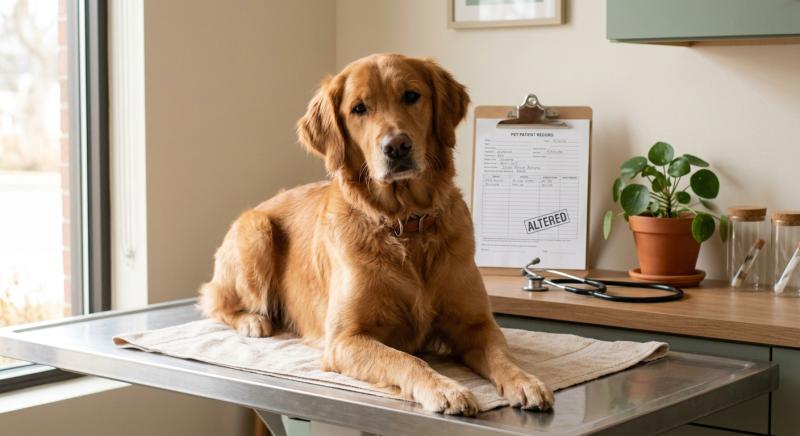
In short, an altered dog is a dog that has been surgically sterilized so it can no longer reproduce. For females, that means a spay surgery. For males, it means a neuter surgery. Veterinarians, shelters, and rescues use the single word "altered" because it is shorter than spelling out spay-or-neuter every time, and it applies to both sexes in one breath.
Understanding this terminology matters for several reasons. First, it changes how you care for your dog — an altered dog has different nutritional needs, a different recovery timeline after surgery, and often a different behavioral profile than an intact one. Second, it affects long-term health decisions: studies from the American Veterinary Medical Association link altering to reduced risks of mammary tumors, testicular cancer, and pyometra. Third, the term comes up constantly in adoption paperwork, training classes, dog park rules, and even apartment lease agreements. Knowing the lingo helps you advocate for your dog with confidence. This guide breaks down everything you need to know about the term "altered," the procedures behind it, the timing, the cost, the myths, and the recovery — so the next time someone asks, you can give them a real answer instead of a shrug.
1. What Does "Altered" Actually Mean in Veterinary Language?
The word "altered" is a blanket term veterinarians, shelters, and breeders use to describe a dog whose reproductive organs have been surgically removed or permanently disabled. When a vet checks a box on a health certificate that says "Altered: Yes," they are confirming the dog cannot sire or bear puppies. The same word works for males and females, which is why it appears on adoption forms, microchip registrations, and licensing documents across the United States, Canada, and most of Europe.
Linguistically, the term comes from the idea that the dog's natural reproductive state has been "altered" — changed from its original form. It is deliberately neutral language. Shelters prefer it over "fixed" (which sounds slangy) or "sterilized" (which sounds industrial). Some veterinarians also use "gonadectomized" in clinical literature, but that word never makes it onto intake forms or family-friendly brochures. In everyday practice, "altered" is the term you will see on paperwork and hear at the clinic.
There is also a softer social reason for the term. Many owners feel squeamish about the words "castration" or "spay," especially in mixed company or in front of children. "Altered" sidesteps the anatomical specifics while still communicating the medical reality. When you read "altered" on a rescue bio, you immediately know two things: this dog will not add to the pet overpopulation problem, and the adopter does not need to budget for a sterilization surgery in the first month.
2. Spay vs Neuter: What's the Real Difference?
Although "altered" lumps both procedures into one word, the underlying surgeries are quite different. Knowing which one applies to your dog helps you prepare for the right recovery timeline, watch for the right complications, and understand the long-term health effects.
What Is Spaying? (Female Dogs)
Spaying, formally called ovariohysterectomy, is the surgical removal of a female dog's ovaries and uterus. The procedure requires general anesthesia, an incision through the abdominal wall, and typically an overnight stay at the clinic for monitoring. The surgeon ligates the blood vessels leading to the reproductive tract, removes the organs, and closes the muscle and skin layers with internal sutures. Most female dogs go home the next day with pain medication, an e-collar, and 10 to 14 days of restricted activity.
Spaying eliminates the heat cycle, which means no more bleeding, no more attracting male dogs from blocks away, and no risk of pyometra — a life-threatening uterine infection that affects roughly 25% of intact female dogs before age 10 according to veterinary epidemiology studies. It also drastically reduces the risk of mammary cancer, especially when performed before the first heat.
What Is Neutering? (Male Dogs)
Neutering, formally called orchiectomy, is the surgical removal of a male dog's testicles. The procedure is generally faster and less invasive than a spay because the reproductive organs sit outside the body. The vet makes one or two small incisions in front of the scrotum, ligates the spermatic cords and blood vessels, removes the testicles, and closes the incisions with sutures or surgical glue. Most male dogs go home the same day and recover within 7 to 10 days.
Neutering reduces testosterone-driven behaviors such as urine marking, mounting, roaming, and certain types of aggression. It also eliminates the risk of testicular cancer and reduces the incidence of benign prostatic hyperplasia. The behavioral effects are strongest when neutering happens before sexual maturity, but even older dogs benefit from the health protections.
Other Terms You May Hear
- "Fixed" — casual synonym for altered, used by shelters and owners alike.
- "Intact" — the opposite of altered; the dog still has its reproductive organs.
- "Gonadectomized" — clinical term for surgical removal of reproductive glands (covers both spay and neuter).
- "Chemical castration" — temporary sterilization using hormone implants, rare in the United States but used in some European countries.
- "Vasectomy" — leaves testicles intact but cuts the vas deferens; very rarely performed on dogs.
3. The Procedure: What Actually Happens at the Clinic
Whether your dog is being spayed or neutered, the day unfolds in roughly the same way. Understanding the workflow helps reduce owner anxiety and gives you a checklist of questions to ask your vet beforehand.
Pre-Op: The Morning Of Surgery
Most clinics ask you to fast your dog for 8 to 12 hours before surgery to prevent aspiration under anesthesia. Water is usually allowed until you leave home. At drop-off, the technician will weigh your dog, run a brief pre-anesthetic blood panel if you approve it (highly recommended for dogs over 5 years), and review the consent form. This is the moment to confirm the procedure, ask about pain management, and verify whether the clinic uses absorbable sutures or skin glue.
During Surgery
For a spay, your dog is placed under general anesthesia, intubated, and prepped aseptically. The surgeon makes a midline incision of 2 to 4 inches, identifies the ovaries and uterus, ligates the major blood vessels, and removes the organs. The procedure takes 30 to 90 minutes depending on the dog's size, age, and whether she is in heat or pregnant. For a neuter, the surgeon makes a single small incision just in front of the scrotum, exteriorizes each testicle, ligates the cord, and removes it. A neuter usually takes 10 to 20 minutes.
Recovery Room and Discharge
After surgery, your dog wakes up in a warm recovery area with a technician monitoring vital signs. Most spays stay overnight for pain management and observation; neuters often go home the same afternoon. At discharge, the technician walks you through incision care, e-collar use, activity restriction, pain medication schedule, and red flags (swelling, discharge, lethargy). You will get a recheck appointment for 7 to 14 days later to remove non-absorbable sutures if any were used.
4. The Real Benefits of Altering Your Dog
The decision to alter your dog is not just about preventing puppies. It carries documented medical, behavioral, and social benefits — and a few trade-offs worth knowing about so you can make an informed choice with your vet.
Health Benefits
Spaying a female dog before her first heat reduces the risk of mammary cancer by approximately 96% according to long-term veterinary studies. After the first heat, that protection drops significantly but does not disappear. Spaying also eliminates the risk of pyometra, a fatal uterine infection that affects nearly one in four intact females by age 10. Neutering male dogs eliminates testicular cancer entirely and reduces the risk of prostate disease, perianal tumors, and certain types of hernias.
Behavioral Benefits
Altered dogs tend to be easier to live with, especially in multi-pet households. Neutered males are less likely to urine-mark indoors, mount people or other dogs, and roam in search of females in heat. Spayed females do not experience the mood swings, restlessness, and attraction of male suitors that come with the heat cycle every 6 to 9 months. These behavioral shifts are not a magic cure for all problems — training and socialization still matter — but they remove a major source of stress and unwanted habits. If you are starting fresh with a puppy, our puppy socialization checklist pairs perfectly with the calmer post-alter temperament.
Population Control
The Humane Society of the United States estimates that 6.3 million companion animals enter shelters every year, and roughly 920,000 are euthanized. Altering your dog is one of the most direct, effective actions an individual owner can take to reduce those numbers. One intact female dog and her offspring can theoretically produce 67,000 dogs in six years, according to the ASPCA. That math is why most rescues alter dogs before adoption and why many municipalities offer discounted licensing fees for altered pets.
5. When Should You Alter Your Dog? (The Timing Question)
The traditional advice used to be simple: alter every dog at six months. Current veterinary thinking is more nuanced. The right age depends on your dog's breed, size, sex, lifestyle, and individual health history. Always discuss timing with your vet rather than following a generic calendar.
Small and Toy Breeds
Small breed dogs (under 45 pounds adult weight) typically reach sexual maturity earlier than large breeds. Many veterinarians recommend altering small dogs between 6 and 9 months of age. The surgery is straightforward, recovery is fast, and the behavioral benefits kick in before undesirable habits form. If you live in an apartment and are choosing among small dog breeds for city living, this timeline applies to most of them.
Large and Giant Breeds
For large and giant breeds (over 45 pounds adult weight), recent research suggests waiting until 12 to 18 months. Studies from the University of California, Davis have shown that early neutering in breeds like Labrador Retrievers, German Shepherds, and Golden Retrievers is associated with higher rates of joint disorders (hip dysplasia, cruciate ligament tears) and certain cancers. The delayed timeline lets the long bones finish growing under the influence of sex hormones, which appears to protect the joints. If you own a German Shepherd or another large working breed, ask your vet about the breed-specific evidence before scheduling surgery.
Adult and Senior Dogs
It is never too late to alter a dog. Adult rescues are commonly spayed or neutered at adoption, even at 5, 8, or 10 years old. The health benefits (cancer prevention, pyometra elimination) still apply, and anesthesia is safe for most seniors as long as pre-anesthetic bloodwork looks good. Your vet may recommend additional monitoring — IV fluids, ECG, blood pressure tracking — but age alone is not a reason to skip the procedure.
6. How Much Does It Cost to Alter a Dog?
Cost is one of the most common reasons owners delay altering their dogs. The price varies wildly based on geography, clinic type, dog size, and sex. On average, a spay runs $200 to $500 and a neuter runs $100 to $300, but those numbers barely scratch the surface. For a full breakdown of regional pricing, low-cost programs, and what is included in the fee, see our detailed guide on how much it costs to neuter a dog — it covers the same factors that drive spay pricing.
Low-cost spay/neuter clinics, often run by humane societies, ASPCA chapters, or nonprofit rescues, can perform the same surgery for $50 to $150. These clinics are staffed by licensed veterinarians who specialize in high-volume sterilization, and the quality of care is comparable to private clinics. The main trade-off is convenience — fewer one-on-one consultations, group drop-offs, and limited post-op follow-up.
Some private clinics offer "wellness packages" that bundle the surgery with vaccines, microchipping, and pre-anesthetic bloodwork for a flat fee. If your dog needs all of those services anyway, the package can save $100 or more. Pet insurance typically does not cover spay/neuter as it is considered elective, but some wellness add-ons do. Check your policy before scheduling.
7. Common Myths About Altered Dogs
Misinformation about altering is everywhere — at dog parks, in Facebook groups, even from well-meaning friends. Let's clear up the most persistent myths with what the veterinary literature actually says.
Myth #1: Altering Changes Your Dog's Personality
Reality: altering affects hormonally-driven behaviors (marking, mounting, roaming) but does not change core personality traits like friendliness, trainability, or playfulness. A confident, social dog stays confident. A shy dog stays shy. If you want to shape behavior, structured training is the right tool — our beginner's guide to training a dog in 5 steps is a great starting point.
Myth #2: Altered Dogs Always Get Fat
Reality: altering lowers metabolism by roughly 20%, but weight gain happens only when food intake stays the same. Adjust portions down by 10 to 25% post-surgery, keep daily walks consistent, and your dog will stay lean. The myth persists because owners often keep feeding the same cup of kibble while the dog's energy needs drop. Choose a nutrient-dense food — our guide to the best dog food for sensitive stomachs includes several formulas that suit post-spay or post-neuter dogs with slower metabolisms.
Myth #3: Every Dog Should Be Altered at Exactly Six Months
Reality: the six-month rule is a guideline, not a law. As we discussed in Section 5, large breeds benefit from waiting until 12 to 18 months. Some working dog organizations recommend waiting even longer for sport and protection dogs. Talk to your vet about your specific dog rather than following a one-size-fits-all calendar.
Myth #4: Female Dogs Should Have One Litter Before Being Spayed
Reality: there is no medical or behavioral benefit to letting a dog have a litter before being spayed. This myth dates back to a time when neutering was less common and people wanted to recoup the cost of buying a purebred. Veterinary science is clear: spaying before the first heat delivers the strongest cancer protection and the easiest surgical recovery.
8. Caring for Your Dog After Altering Surgery
Recovery from spay or neuter surgery is usually smooth, but the first 10 to 14 days require vigilance. Your dog will be groggy the first evening, slightly uncomfortable for two to three days, and back to normal energy within a week for neuters or two weeks for spays. Here is what to focus on.
Activity Restriction
No running, jumping, stairs, or off-leash play for 10 to 14 days. The internal sutures need time to heal, and a single hard jump can rip them. Use a crate or a small room for confinement, and leash-walk only for potty breaks. If your dog is high-energy, our list of cheap and easy homemade toys your dog will love includes several puzzle-style options that tire out a dog mentally without any physical exertion.
Incision Monitoring
Check the incision twice a day for redness, swelling, discharge, or opened edges. A small amount of bruising is normal for the first 48 hours. A small firm lump under the incision that appears in the first week is usually a harmless suture reaction. Call your vet immediately if you see active bleeding, foul-smelling discharge, or your dog stops eating.
E-Collar and Pain Management
The cone (e-collar) is non-negotiable. Dogs will lick their incisions, and licking introduces bacteria that cause infection and delays healing. Soft fabric cones, inflatable donuts, or surgical recovery suits are all acceptable alternatives if your dog tolerates them better than a hard plastic cone. Give pain medication exactly as prescribed, even if your dog seems comfortable — preventing pain is far easier than catching up with it. While you are caring for your recovering pup, this is also a great time to deepen your relationship — our 30-day guide to building a stronger bond with your dog has calm, low-energy activities perfect for the recovery window.
Bathing and Grooming
No baths or swimming for at least 14 days — water on the incision dramatically increases infection risk. If your dog gets dirty, use a damp towel on areas away from the surgical site, or spot-clean with pet wipes. Once cleared by your vet, you can resume normal grooming. Our guide to how often you should bathe your dog by breed has the full timeline for re-establishing your grooming routine.
9. Frequently Asked Questions
Is "altered" the same as "fixed"?
Yes. "Fixed," "altered," "sterilized," and "gonadectomized" all describe the same medical state — a dog whose reproductive organs have been surgically removed. "Fixed" is more casual, "altered" is what you will see on official paperwork, and "gonadectomized" is the term used in research papers.
Can an altered dog still mate?
An altered dog may still display mounting or humping behaviors because those actions are not purely reproductive — they are also social and stress-related. However, an altered male cannot sire puppies and an altered female cannot become pregnant. If mounting becomes a problem post-surgery, training and behavior modification resolve it within a few weeks.
Does altering change how my dog interacts with other dogs?
It can. Neutered males are often more accepted by other males at dog parks because they produce less testosterone-driven scent. Spayed females do not attract intact males, which prevents unwanted attention and conflicts. If you socialize your dog at public spaces, our article on finding safe and high-quality dog parks near you explains how to choose parks where altered and intact dogs are managed responsibly.
Are there any downsides to altering?
Yes, the procedure has trade-offs. Altered dogs have a slightly higher risk of obesity, urinary incontinence in spayed females (especially large breeds), and possibly certain joint issues if neutered very early in large-breed dogs. The overall health benefits still outweigh the risks for the vast majority of pet dogs, but the conversation with your vet should cover your specific breed and lifestyle.
10. Conclusion: Knowledge Is the Best Medicine
Knowing what "altered" means for a dog is more than vocabulary — it is the foundation for making smart medical, behavioral, and lifestyle decisions for your pet. Whether you are adopting an already-altered rescue, scheduling surgery for a new puppy, or simply trying to decode the paperwork on your vet's clipboard, the term covers one of the most consequential choices in a dog's life.
The science is clear: spaying and neutering save lives by preventing cancer, reducing roaming, and curbing pet overpopulation. The right timing and the right clinic depend on your dog's breed, age, and your budget, so partner with a veterinarian you trust rather than relying on one-size-fits-all advice. Recovery is straightforward when you follow activity restrictions, monitor the incision, and lean on your vet's guidance for anything unusual.
Above all, remember that an altered dog is not a diminished dog. The personality, the loyalty, the tail wags, and the long walks are all still there. The surgery simply removes a few of the medical and behavioral complications that come with intact hormones, leaving more room for the calm, focused, joyful companion you brought home in the first place. For more guides on training, health, and everyday care for your dog, browse the rest of Loyal Paws Guide — we cover everything from barking solutions to breed selection to homemade enrichment, all written for owners who want the best for their dogs.