
Can Dogs Eat Peanut Butter? The Complete Safety Guide
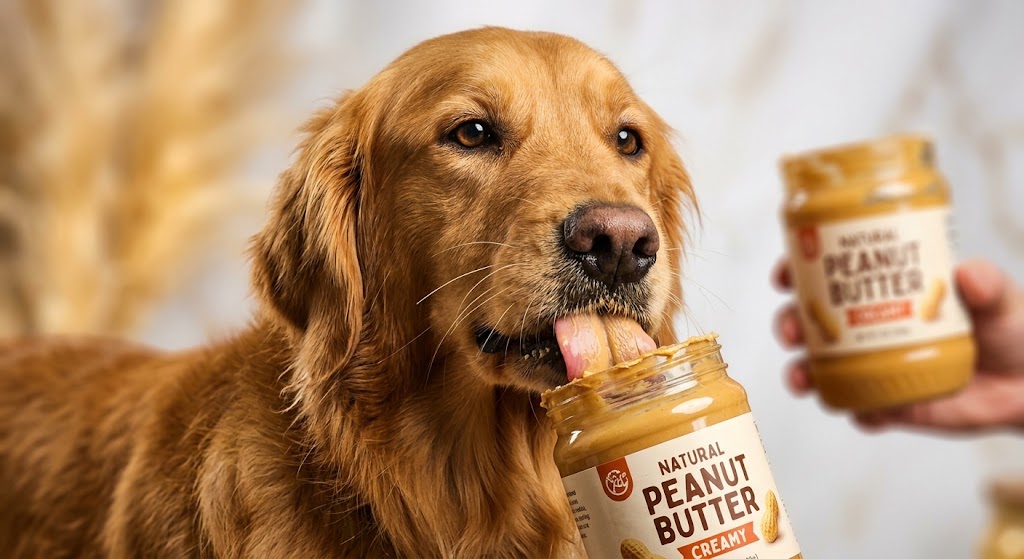
- The Quick Answer: Can Dogs Eat Peanut Butter?
- Why Dogs Love Peanut Butter (And Why You Need to Be Careful)
- The Xylitol Danger: What Makes Some Peanut Butter Toxic to Dogs
- Safe Peanut Butter Brands for Dogs (With Recommendations)
- How Much Peanut Butter Is Safe for Dogs?
- Healthy Ways to Give Your Dog Peanut Butter Treats
- Dog-Safe Foods You Can Pair With Peanut Butter
- Foods You Should NEVER Give Your Dog (Dangerous Foods Guide)
- Other Nut Butters: Safe or Risky?
- FAQ: Your Peanut Butter Questions Answered
- Q1: My dog ate a small amount of xylitol peanut butter. What should I do?
- Q2: Can puppies eat peanut butter?
- Q3: Is natural peanut butter better than regular peanut butter for dogs?
- Q4: Can dogs with peanut allergies eat peanut butter?
- Q5: How often can I give my dog peanut butter?
- Q6: Is peanut butter good for dogs' teeth and digestion?
- Peanut Butter as Part of Responsible Pet Ownership
Yes, dogs can eat peanut butter—but not all of it. While plain, xylitol-free peanut butter is safe and nutritious for most dogs, certain brands and additives can be dangerously toxic. This guide covers which peanut butters are safe, how much to serve, and dangerous human foods that mimic peanut butter packaging but could harm your pup.
Your dog's eyes light up the moment you crack open that peanut butter jar. It's one of the most requested treats by pet parents everywhere—and for good reason. Peanut butter is delicious, protein-packed, and most dogs absolutely love it.
But here's the thing: not all peanut butter is created equal when it comes to your furry friend's safety.
While most plain, natural peanut butters are perfectly safe for dogs, some commercially produced brands contain an ingredient called xylitol—a sweetener that's absolutely toxic to dogs, even in tiny amounts. One spoonful of the wrong peanut butter could land your pup in the emergency vet clinic.
The good news? You can absolutely give your dog peanut butter as a treat. You just need to know which brands to buy, how much is safe, and what to watch out for. In this guide, you'll learn everything about peanut butter safety for dogs, plus which human foods are genuinely dangerous for your best friend.
Learn more about dog-safe nutrition choices to ensure your dog thrives.
The Quick Answer: Can Dogs Eat Peanut Butter?
Yes, dogs can eat peanut butter safely—as long as it's the right kind.
Plain, natural peanut butter without xylitol or excessive salt is not toxic to dogs. In fact, most dogs find it absolutely delicious and it offers some genuine nutritional benefits: protein, healthy fats, vitamin E, and B vitamins.
However, this straightforward answer comes with one critical caveat: you must always check the ingredient label before offering any peanut butter to your dog. Many mainstream peanut butter brands add xylitol, a sugar substitute that triggers a dangerous insulin surge in dogs and can cause liver damage, low blood sugar (hypoglycemia), and potentially death—even in small amounts.
The safest approach? Stick with natural, no-added-sugar peanut butter brands that clearly state they're xylitol-free. Better yet, look for brands specifically marketed as dog-safe or check the nutrition label yourself for xylitol in the ingredients list.
Here's what you need to know: even half a teaspoon of xylitol-containing peanut butter can poison a small dog. This isn't fear-mongering—it's veterinary fact. That's why reading labels matters more than you'd think.
Why Dogs Love Peanut Butter (And Why You Need to Be Careful)
Dogs aren't just crazy for the taste—there's actual science behind the obsession.
Dogs are attracted to peanut butter for several reasons. First, the high fat and protein content triggers reward centers in their brain. Second, the creamy texture provides a satisfying sensory experience that dogs genuinely enjoy. Third, peanut butter smells intensely aromatic—dogs experience scent at a level humans can't really comprehend, so a spoonful of peanut butter is basically a flavor explosion.
This makes peanut butter an ideal training treat or puzzle toy filler. Many dog owners use it to:
- Stuff Kong toys for mental enrichment
- Encourage dogs to eat medication disguised in peanut butter
- Use as a high-value reward during training sessions
- Make homemade dog treat recipes
But this same appeal is exactly why you need to be careful. Because dogs love it so much, they'll eagerly devour whatever peanut butter you offer without hesitation. They can't read ingredient labels. They don't know that certain additives are dangerous. That responsibility falls entirely on you as the pet parent.
If you're stuffing Kong toys or making peanut butter treats regularly, you need to establish a trusted peanut butter brand that's genuinely safe for dogs. Don't just grab whatever's on sale at the grocery store. Check out our guide on dog food safety for sensitive stomachs for more nutritional insights.
The Xylitol Danger: What Makes Some Peanut Butter Toxic to Dogs
This is the ingredient that turns a healthy treat into a medical emergency.
Xylitol is a sugar alcohol used in many "sugar-free" or "keto-friendly" human foods, including peanut butter, protein bars, and diet products. For humans, it's a relatively safe sweetener. For dogs, it's potentially lethal.
Here's why: when dogs consume xylitol, their pancreas mistakes it for real sugar and releases insulin rapidly. This causes blood glucose levels to plummet dangerously—a condition called hypoglycemia. Symptoms appear within 30 minutes to 2 hours:
- Vomiting and diarrhea
- Tremors or seizures
- Loss of coordination
- Letharness or collapse
- Loss of consciousness
Beyond the immediate hypoglycemic crisis, xylitol also damages the liver. Dogs who survive the initial blood sugar crash can develop acute liver failure (hepatotoxicity) hours or days later. This is why even a "small taste" of xylitol-containing peanut butter is dangerous.
The lethal dose varies by dog size, but research suggests as little as 0.1 grams per kilogram of body weight can cause hypoglycemia. That means a 20-pound dog could experience symptoms from just half a teaspoon of certain peanut butter brands.
The solution? Only purchase peanut butter brands that explicitly state "xylitol-free" on the label. Don't assume. Check every time, even if you've bought the same brand before—manufacturers sometimes change formulas.
Safe Peanut Butter Brands for Dogs (With Recommendations)
These brands consistently pass the safety test for your pup.
Finding dog-safe peanut butter doesn't mean you need specialty pet stores. Many mainstream brands are completely safe for dogs:
Best Choices:
- Jif Original Creamy (no xylitol, though it does contain added sugar—use sparingly)
- Skippy Original (similar profile to Jif, safe but sugar-sweetened)
- Justin's Classic Almond Butter (if your dog tolerates nuts)
- 365 Organic Unsalted (Whole Foods brand, clean ingredient list)
- Natural Jif Peanut Butter (the natural line without added sugar)
Best for Dogs Specifically:
- Barking Hound Village (formulated for dogs, no xylitol)
- Buddy & Lola (dog-specific brand)
- Peanut Butter & Co. Pow (explicitly xylitol-free)
The golden rule: flip that jar around and read the ingredient list yourself. Look for these markers:
- ✓ Peanuts or peanut paste as the first ingredient
- ✓ NO xylitol listed anywhere
- ✓ NO sugar or minimal sugar
- ✓ NO artificial sweeteners
Brands to AVOID include certain sugar-free peanut butters made by companies like Go-Nuts and some specialty diet brands that specifically use xylitol for keto marketing.
When in doubt, choose unsalted, natural peanut butter with just one or two ingredients: peanuts (and maybe salt). It's the safest bet for your dog.
How Much Peanut Butter Is Safe for Dogs?
Portion size matters—especially for weight management.
Peanut butter is calorie-dense. A single tablespoon contains roughly 95 calories and 8-9 grams of fat. For a small dog (10 pounds), one tablespoon of peanut butter represents 15-20% of their daily caloric intake. For a large dog (80 pounds), it's proportionally less, but still significant.
Safe Serving Guidelines by Dog Size:
| Dog Size | Daily Safe Amount | Frequency |
|---|---|---|
| Small (under 10 lbs) | ½ teaspoon - 1 tsp | 2-3x per week |
| Medium (10-50 lbs) | 1-2 tablespoons | 2-3x per week |
| Large (50+ lbs) | 2-3 tablespoons | 2-3x per week |
These amounts assume you're using xylitol-free, low-sugar peanut butter and accounting for the calories in your dog's overall daily diet. If your dog is overweight or has health conditions like diabetes or pancreatitis, reduce portions or skip peanut butter entirely—check with your vet first.
Also remember: if you're using peanut butter as a training treat, you need to factor those calories into their daily food intake. Don't just add peanut butter on top of their regular meals and expect your dog to maintain a healthy weight.
Some dogs do great with peanut butter; others develop digestive upset or allergic reactions. If you're introducing it for the first time, start with a tiny amount (¼ teaspoon) and monitor for gastrointestinal issues, itching, or other allergic reactions over the next 24 hours.
Healthy Ways to Give Your Dog Peanut Butter Treats
Make peanut butter part of a balanced, enriching routine.
Peanut butter shines when you use it strategically for enrichment and training, rather than just offering spoonfuls randomly:
Kong Toy Stuffing (Most Popular)
Freeze peanut butter inside a Kong toy for extended mental stimulation. The cold texture is different from room-temperature peanut butter, and the challenge of licking it out of the toy keeps dogs engaged for 15-30 minutes. Pro tip: mix peanut butter with a bit of plain yogurt or dog-safe pumpkin puree to make it last longer.
Peanut Butter Dog Treats (DIY Recipes)
Make simple homemade treats: combine natural peanut butter with oat flour and a mashed banana, form small balls, and freeze. You control every ingredient and avoid commercial additives. Most recipes yield 20-30 treats, so portion control is easier.
Training Rewards
Use tiny peanut butter "smears" (¼ teaspoon size) as high-value training rewards for challenging commands. The strong flavor and appeal make it perfect for reinforcing sit, stay, or recall in distracting environments.
Lick Mat Spreading
Spread a thin layer of peanut butter on a silicone lick mat, freeze it, and give it to your dog during stressful situations (fireworks, vet visits). The licking action has a calming effect, and the peanut butter makes it more rewarding.
Medication Disguise
If your dog needs pills, wrap them in a small ball of peanut butter. Most dogs swallow it without inspecting closely. This is genuinely useful for anxious dogs who won't take medication directly.
The Key Principle: Peanut butter should be an occasional treat or training tool, not a daily staple. It's too calorie-dense and fatty to be part of your dog's regular diet. Think of it as a special enrichment activity, not everyday food.
Dog-Safe Foods You Can Pair With Peanut Butter
Combine peanut butter with other healthy ingredients for variety.
If you're making homemade peanut butter treats or want to mix peanut butter with other foods, these options are genuinely safe for dogs:
Fruits (Fresh or Frozen):
- Bananas (high in potassium, pairs perfectly with peanut butter)
- Apples (remove seeds first—they contain cyanide)
- Blueberries (antioxidant powerhouse)
- Watermelon (hydrating, low calorie)
- Strawberries (vitamin C boost)
Vegetables (Cooked or Raw):
- Pumpkin puree (fiber, digestive health, makes peanut butter go further)
- Sweet potato (cooked, vitamin A-rich)
- Carrots (raw or frozen, good for teeth)
- Green beans (low calorie, satisfying crunch)
- Cucumber (hydrating, almost no calories)
Proteins & Dairy:
- Plain yogurt (probiotics, makes peanut butter creamier)
- Eggs (cooked, omega-3s)
- Cottage cheese (low-fat option, good protein)
- Plain chicken (cooked, shredded)
Grains & Starches:
- Oat flour (homemade treat binder)
- Plain rice (mild, easily digestible)
- Sweet potato flour (baking ingredient)
- Barley (if your dog tolerates grains)
A Simple Recipe to Try:
Mix 2 tablespoons of natural peanut butter with 1 mashed banana and 3 tablespoons of oat flour. Form into small balls and freeze for 2-3 hours. Each treat is peanut butter-based but stretched with nutritious additions that lower the calorie density per serving.
Foods You Should NEVER Give Your Dog (Dangerous Foods Guide)
These human foods look innocent but can seriously harm your pup.
While peanut butter (the right kind) is safe, plenty of other human foods are genuinely dangerous. Some are obvious; others hide in common pantry items:
Absolutely Toxic Foods:
- Chocolate (theobromine poisoning—dark chocolate is worst)
- Grapes & Raisins (kidney failure, even in small amounts)
- Onions & Garlic (destroy red blood cells, cause hemolytic anemia)
- Avocado (persin toxin damages the heart)
- Alcohol (even small amounts cause intoxication and organ damage)
- Macadamia Nuts (specific toxicity in dogs, causes weakness and tremors)
- Xylitol (as discussed: hypoglycemia and liver damage)
Dangerous Due to Choking or Digestive Issues:
- Cooked Bones (splinter easily, can perforate the intestines)
- Corn on the Cob (choking hazard, can cause intestinal blockage)
- Avocado Pit (choking, contains persin)
- Peach & Cherry Pits (cyanide in the pits, choking hazard)
- Fatty Meat Trimmings (can trigger pancreatitis)
High-Risk Foods (Use Extreme Caution):
- Raw Dough (expands in the stomach, yeast fermentation produces alcohol)
- Caffeine (coffee, tea, energy drinks—causes heart problems)
- Salt (excessive salt causes hypernatremia)
- Sugar (leads to obesity, diabetes, dental disease)
- Fat Trimmings (pancreatitis risk, especially in vulnerable breeds)
The Pattern You'll Notice: Most dangerous foods trigger one of three problems—toxicity (like chocolate), choking (like bones), or digestive upset (like fatty foods). When your dog gives you that irresistible "please share your food" look, ask yourself: Is this toxic? Could it cause choking? Could it upset their stomach?
If you're uncertain about any food, ask your vet or check the ASPCA Animal Poison Control Center database before offering it. That five-minute safety check could literally save your dog's life.
Other Nut Butters: Safe or Risky?
Peanut butter isn't the only nut butter dogs might encounter.
Dog owners sometimes wonder if they can substitute peanut butter with almond butter, cashew butter, or other options. Here's the breakdown:
Almond Butter – Generally Safe (With Caution)
Plain almond butter without xylitol is non-toxic to dogs, but almonds themselves are harder for dogs to digest than peanuts. Some dogs experience mild diarrhea or upset stomach. Higher fat content than peanut butter means even smaller portions are necessary. Best used occasionally, not as a regular treat.
Cashew Butter – Safe in Small Amounts
Not toxic, but cashews are higher in fat and some dogs find them harder to digest. Fresh cashews are fine; never use butter made from roasted salted cashews (too much salt). Like almond butter, use sparingly.
Sunflower Seed Butter – Best Alternative
If your dog has a peanut allergy or you want to rotate treat options, sunflower seed butter is arguably the safest nut butter alternative. It's lower in fat, generally well-tolerated, and allergies to sunflower seeds are rare in dogs. Most brands are xylitol-free, but always verify.
Walnut Butter – AVOID
Walnuts, especially black walnuts, can contain aflatoxins (mold toxins) and are associated with tremors in dogs. Not worth the risk. Skip walnut butter entirely.
Tahini (Sesame Seed Butter) – Safe but Uncommon
Technically safe, though most dogs haven't encountered it. Sesame is non-toxic, but tahini is higher in fat than many nut butters. Not a common recommendation for dogs, but not dangerous.
The Safest Rule: Stick with plain, unsalted peanut butter or sunflower seed butter if there's an allergy. These have the longest safety track record with dogs and are most widely available in xylitol-free options.
FAQ: Your Peanut Butter Questions Answered
Q1: My dog ate a small amount of xylitol peanut butter. What should I do?
Call your veterinarian or animal poison control immediately (ASPCA: 888-426-4435). Provide details: dog's weight, amount consumed, time since ingestion. Most vets recommend bringing your dog in for observation and blood work to monitor glucose levels. Treatment might include IV fluids, glucose supplementation, or medications to support liver function. Don't wait—speed is critical with xylitol poisoning.
Q2: Can puppies eat peanut butter?
Yes, puppies can eat plain, xylitol-free peanut butter in appropriate amounts for their size. However, use caution: puppies have smaller stomachs and can be more sensitive to fatty foods, which might trigger diarrhea. Start with a tiny amount (¼ teaspoon) to test tolerance. For puppies specifically, check our puppy nutrition and socialization guide to ensure balanced development.
Q3: Is natural peanut butter better than regular peanut butter for dogs?
Not necessarily better, just different. Natural peanut butter usually has fewer additives and often no xylitol, making it safer by default. However, natural varieties often separate (oil rises to the top), and you'll need to stir them. Regular Jif or Skippy are fine for dogs as long as they don't contain xylitol. Ingredient checking matters more than "natural" labeling.
Q4: Can dogs with peanut allergies eat peanut butter?
No. If your dog has a confirmed peanut allergy (symptoms: itching, ear infections, vomiting, diarrhea), avoid all peanut products. Switch to sunflower seed butter or sunflower seed-based treats. Allergies are individual—some dogs tolerate peanuts fine while others react badly. If you suspect a peanut allergy, ask your vet about an elimination diet or allergy testing.
Q5: How often can I give my dog peanut butter?
Safe frequency depends on your dog's size, weight goals, and overall diet. Most veterinarians recommend 2-3 times per week as a treat or training reward, not daily. If your dog is overweight, diabetic, or has pancreatitis, limit it to once weekly or skip it entirely. Peanut butter should never exceed 10% of daily calories.
Q6: Is peanut butter good for dogs' teeth and digestion?
Peanut butter doesn't clean teeth like some raw foods do, and it's high in fat (which some dogs' digestive systems struggle with). However, the licking action involved in consuming peanut butter (especially from toys or lick mats) can have a calming effect and provide mental enrichment. For actual digestive health, explore our guide on sensitive stomach diets and digestive support.
Peanut Butter as Part of Responsible Pet Ownership
The takeaway: peanut butter can be a wonderful tool when you're informed and cautious.
Peanut butter is far from off-limits for dogs. Millions of dogs enjoy it safely every single day as a training reward, Kong toy filler, or occasional treat. The key difference between safe and dangerous peanut butter often comes down to one ingredient: xylitol.
Here's what responsible pet parents do:
- Always read the label. Don't assume. Xylitol hides in sugar-free products you wouldn't expect. Check every single jar.
- Stick to proven safe brands. Jif Original, Skippy, or specifically dog-formulated brands eliminate guesswork.
- Watch portions. A teaspoon for small dogs, a tablespoon for larger dogs—not unlimited licks from the spoon.
- Use peanut butter strategically. Stuff Kongs, hide pills, reward training—these are intentional uses. Random spoonfuls add empty calories.
- Recognize the dangers. Know which foods are toxic (chocolate, grapes, xylitol-containing treats) and which are risky (fatty foods, cooked bones).
- When in doubt, ask your vet. Every dog is different. Your veterinarian knows your dog's specific health profile and can advise based on age, weight, and medical conditions.
Peanut butter doesn't have to be a worry. It just requires the same attention and care you'd give any treat in your dog's diet. Your dog's safety is worth those few seconds spent reading a label.
Looking for more guidance on dog nutrition and health? Try our comprehensive guides on training techniques and managing dog allergies and dietary sensitivities.