
Raw Dog Food Diet: Is It Safe? Pros, Cons, and Vet Recommendations | Complete 2026 Guide
- What Is a Raw Dog Food Diet?
- The Pros: Why Dog Owners Switch to Raw
- The Cons: Bacterial Contamination Risks
- Nutritional Imbalance: The Hidden Danger
- Bone-Related Hazards
- What Major Veterinary Organizations Say
- Commercial vs. Homemade Raw Diets
- Safe Handling Guidelines for Raw Feeders
- Vet-Approved Alternatives to Raw Feeding
- FAQ: Raw Dog Food Diet Questions Answered
- Conclusion: Making the Right Choice for Your Dog
Raw dog food diets promise shinier coats and better digestion, but they carry serious risks. The FDA, AVMA, and CDC all warn against bacterial contamination and nutritional imbalances. This guide breaks down the real pros and cons, what veterinary organizations actually recommend, and safer alternatives that deliver similar benefits without the danger.
You're standing in the pet food aisle, staring at a bag of freeze-dried raw patties. The packaging looks premium. The ingredients list is short. And the online reviews? Glowing. But here's the thing—beneath the marketing hype, the raw dog food diet debate is one of the most divisive topics in veterinary nutrition today. Dog owners everywhere are asking the same question: Is a raw dog food diet actually safe?
The appeal is obvious. Proponents claim BARF diets (Biologically Appropriate Raw Food) mirror what canines ate in the wild. They promise smaller stools, healthier skin, and boundless energy. However, major health organizations paint a very different picture. The American Veterinary Medical Association (AVMA) actively discourages raw feeding, citing documented cases of Salmonella, Listeria, and antibiotic-resistant E. coli linked to raw meat-based pet food products. If your dog has a sensitive stomach, the stakes are even higher.[source]
In this guide, we'll cut through the noise. You'll learn exactly what raw feeding involves, the scientifically verified benefits, the documented risks that veterinarians see in clinics every week, and what the FDA, CDC, and AVMA officially recommend. By the end, you'll have the facts you need to make an informed decision—no fluff, no fear-mongering, just evidence.
What Is a Raw Dog Food Diet?
A raw dog food diet typically consists of uncooked muscle meat, organ meat, raw bones, fruits, vegetables, and sometimes dairy or eggs. The concept gained mainstream traction through the BARF movement, which argues that commercial kibble is overly processed and biologically inappropriate for canines. However, "raw diet" isn't a single formula. It spans everything from meticulously planned homemade meals to mass-produced frozen patties.
BARF vs. Commercial Raw Food
Homemade BARF diets follow recipes found online or in books, usually combining raw chicken backs, beef liver, eggs, and pulverized vegetables. The owner controls every ingredient—but also shoulders full responsibility for nutritional balance. Commercial raw diets, on the other hand, are pre-formulated by manufacturers. Some meet AAFCO (Association of American Feed Control Officials) nutrient profiles, while others don't. The key difference? Accountability. A commercial product can be recalled if contaminated; a homemade batch can't.
Common Ingredients in Raw Diets
Most raw formulations include raw poultry, beef, or lamb as the primary protein source. Organ meats like liver and kidney provide vitamins A and B12. Raw meaty bones supply calcium and phosphorus. Some recipes add fish oil for omega-3 fatty acids, while others incorporate pumpkin or spinach for fiber and micronutrients. The problem isn't the ingredient quality—it's the ratios. Getting the calcium-to-phosphorus balance wrong, even slightly, can trigger developmental bone diseases in puppies.
The Pros: Why Dog Owners Switch to Raw
Let's be honest—raw feeding wouldn't have exploded in popularity if there were zero benefits. Pet owners report tangible improvements, and some of these align with nutritional science. Here's what the pro-raw community consistently observes.
Coat and Skin Health Improvements
One of the first changes owners notice is a glossier coat. Raw diets are naturally high in fat and protein, which directly influence skin cell turnover and hair follicle health. Dr. Lisa Freeman, a veterinary nutritionist at Tufts University, notes that high-fat commercial foods can produce the same shiny-coat effect—suggesting the benefit comes from fat content, not the raw state of the food itself. However, for dogs with dull coats or flaky skin, the increased bioavailability of nutrients in raw meat may offer faster results than some lower-quality kibbles.
Dental Benefits and Higher Energy
Chewing raw meaty bones mechanically scrapes tartar from teeth, reducing plaque buildup without dental treats. Many owners also report leaner muscle mass and sustained energy levels. The absence of grain fillers and artificial additives means fewer blood sugar spikes, which can translate to more stable behavior and stamina throughout the day.
Digestive Improvements and Stool Quality
Raw diets eliminate many common allergens found in processed foods, such as corn, wheat, and soy. Dogs with food sensitivities often experience less bloating, reduced flatulence, and firmer, smaller stools. The high moisture content in raw meat also supports hydration, which benefits kidney function. If your dog shows signs of allergies, a dietary switch—raw or otherwise—should always be discussed with your vet first.
The Cons: Bacterial Contamination Risks
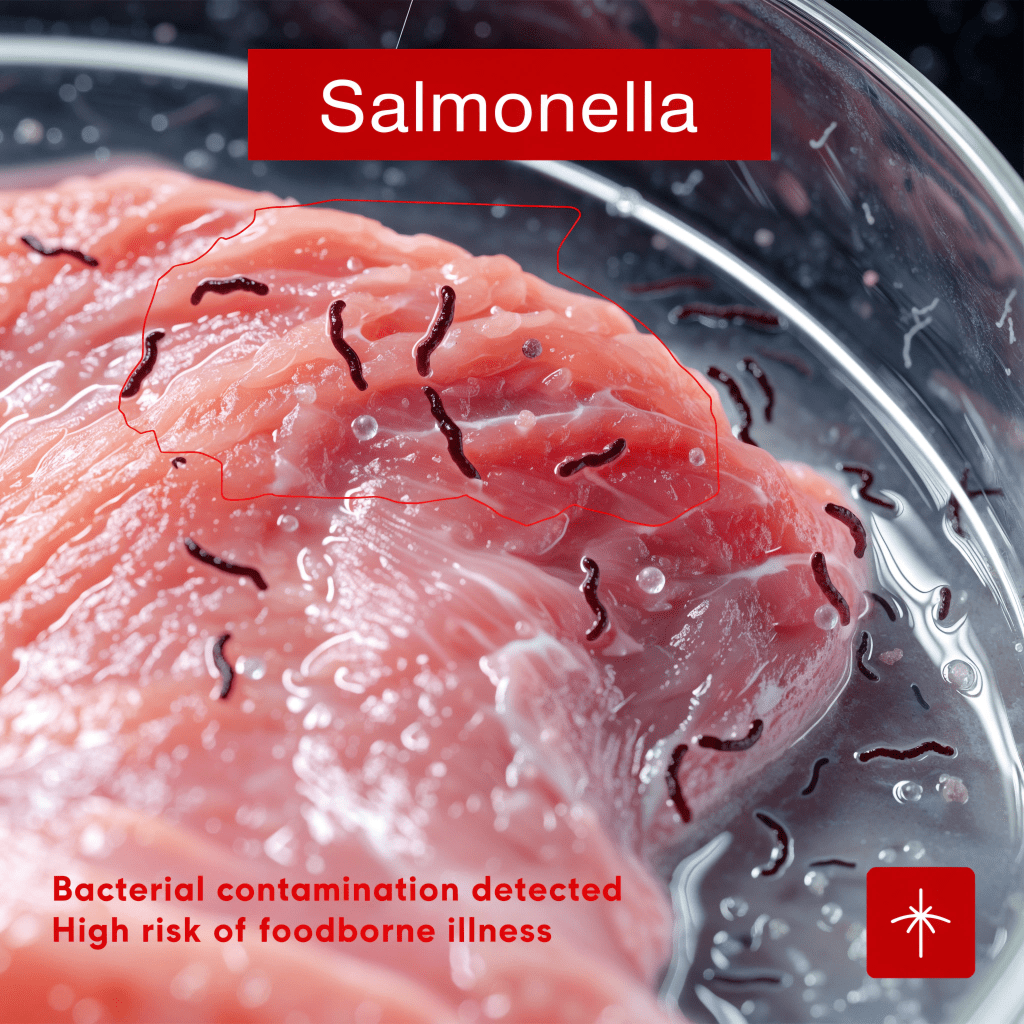
Here's where the conversation shifts. The risks of raw feeding aren't theoretical—they're documented, repeatable, and serious. When researchers at Cornell's Riney Canine Health Center tested raw pet food products, they found that your odds of encountering a foodborne pathogen in frozen raw meat diets purchased online are roughly one in three. That's not a margin of error. That's a statistical reality.
Salmonella, Listeria, and E. coli
The FDA's Center for Veterinary Medicine conducted a two-year study screening commercially available raw dog foods. The results were sobering: nearly 25% of raw food samples tested positive for harmful bacteria, including Salmonella and Listeria monocytogenes. A more recent study from the University of Pennsylvania found that 10% of canine raw food products contained Gram-negative bacteria producing ESBLs—enzymes that destroy common antibiotics like penicillins and cephalosporins. These aren't just stomach bugs. They're pathogens that can trigger sepsis, organ failure, and death.[source]
Zoonotic Transmission to Humans
The danger doesn't stop at your dog's bowl. Salmonella and Listeria are zoonotic, meaning they spread from animals to humans. Your dog can carry these bacteria asymptomatically in their gastrointestinal tract and shed them through saliva and feces. That means even if your pet looks perfectly healthy, they could contaminate your floors, furniture, and—most critically—any immunocompromised, elderly, pregnant, or young family members. The CDC explicitly warns that people handling raw pet food face a higher infection risk than those feeding cooked commercial diets.
Bacterial risks get the headlines, but nutritional deficiencies are the silent killers. A 2013 evaluation by Tufts University's Clinical Nutrition Service analyzed five raw diets—three homemade and two commercial. The conclusion? All five had nutritional deficiencies or excesses that could cause serious health problems when fed long-term. That's a 100% failure rate in the sample.
The Calcium-Phosphorus Ratio Problem
Puppies fed improperly balanced raw diets are especially vulnerable. A documented case from the Animal Health Laboratory involved a litter of puppies weaned onto a BARF diet. They exhibited limb weakness, failure to thrive, and bone fractures. Necropsies revealed severe calcium deficiency and poorly developed bone tissue. The calcium-to-phosphorus ratio in canine diets must hover around 1:1. Most homemade recipes miss this mark, leading to nutritional osteodystrophy—a condition that deforms growing bones permanently.
Vitamin Deficiencies and Toxicities
Raw diets heavy in liver can deliver toxic levels of vitamin A over time, causing joint pain, bone spurs, and liver damage. Conversely, deficiencies in zinc, iodine, or vitamin E can trigger immune dysfunction, thyroid disorders, and reproductive failure. The challenge isn't sourcing quality meat; it's formulating a complete and balanced profile that meets AAFCO standards. And here's the harsh truth: most pet owners aren't nutritionists.
AAFCO Compliance: What to Look For
Commercial raw foods that carry an AAFCO nutritional adequacy statement have undergone formulation testing or feeding trials. This doesn't eliminate bacterial risk, but it does address the nutritional balance problem. If you're considering raw, never feed a commercial product lacking this statement. For homemade diets, consult a board-certified veterinary nutritionist—not a Facebook group, not a blog, but an actual credentialed professional.
Raw bones are a cornerstone of many BARF protocols, but they're also a leading cause of emergency vet visits. Dr. Chris Bellinger, a DVM with two decades of experience, has performed numerous "foreign body" surgeries to remove bone fragments from dogs' GI tracts. The cost? Anywhere from $200 to $2,000 per incident—and that's assuming the animal doesn't develop sepsis.
GI Obstruction and Perforation
Bone fragments can lodge in the esophagus, stomach, or intestines, causing partial or complete blockages. In severe cases, sharp splinters perforate the intestinal wall, leaking bacteria into the abdominal cavity and triggering peritonitis. This requires emergency exploratory surgery with no guarantee of survival. The frequency of obstruction may be lower with raw bones than cooked ones, but the risk is never zero—and the consequences are catastrophic.
Dental Fractures
Weight-bearing bones from large animals, like beef femurs, are dense enough to crack canine teeth. A slab fracture of the carnassial tooth can expose the pulp chamber, leading to abscesses and requiring extraction or root canal therapy. The dental cleaning benefit of raw bones simply isn't worth the risk of a $1,500 dental procedure.
What Major Veterinary Organizations Say
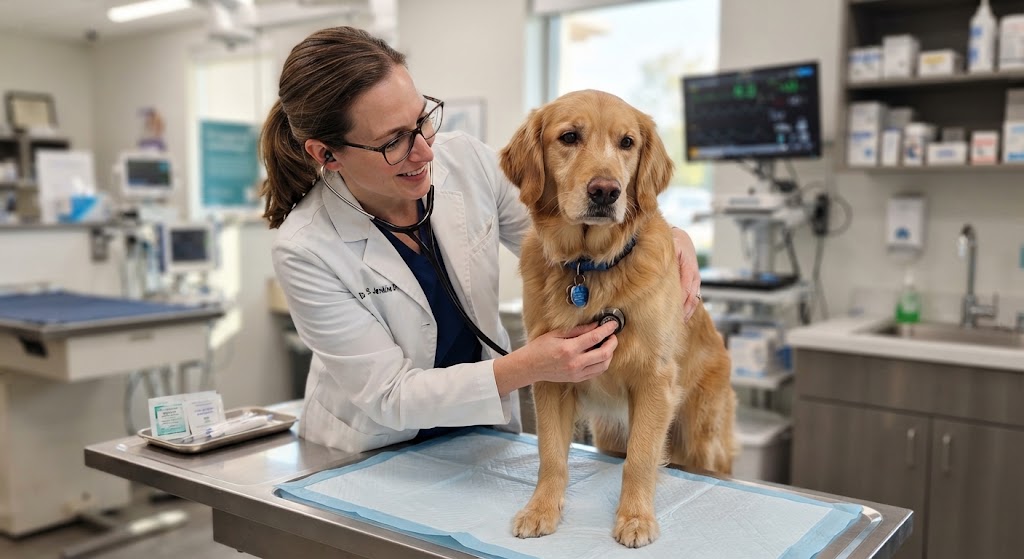
When the world's leading veterinary bodies align on a position, it's worth listening. Here's what the major players officially state about raw meat-based diets.
| Organization | Official Position | Key Concern |
|---|---|---|
| AVMA | Discourages feeding raw or undercooked animal protein | Pathogen risk to pets and humans |
| FDA/CVM | Raw pet food poses public health risk | 25% contamination rate with Salmonella/Listeria |
| CDC | Recommends caution and strict hygiene | Zoonotic bacterial transmission |
| CVMA | Cautions against raw meat-based diets | Antimicrobial resistance in pathogens |
| WSAVA | Advises against raw feeding | Nutritional inadequacy and safety |
AVMA and FDA Position
The AVMA's policy is unambiguous: they discourage feeding any raw or undercooked animal-sourced protein to dogs and cats. They support only diets processed using scientifically validated methods that reduce or eliminate pathogenic contaminants. The FDA's Center for Veterinary Medicine echoes this, noting that raw pet food is more likely to contain disease-causing bacteria than any other type of pet food tested.
CDC and CVMA Warnings
The CDC recommends that raw feeders buy only from companies with high food safety standards, consult a veterinary nutritionist, and follow rigorous cleaning protocols. The Canadian Veterinary Medical Association goes further, stating there are limited data supporting clinically relevant benefits of raw diets over appropriate conventional cooked diets. In other words, the perceived advantages don't justify the documented risks.
Commercial vs. Homemade Raw Diets
Not all raw diets are created equal. The gap between a commercial AAFCO-compliant product and a homemade recipe from a pet forum is enormous.
Safety Standards and Testing
Reputable commercial brands like We Feed Raw use high-pressure processing (HPP) to neutralize pathogens while preserving nutrients. Others conduct batch testing for Salmonella, E. coli, and heavy metals. These safeguards don't make raw food risk-free, but they reduce the odds significantly. Homemade diets offer zero quality control. One bad chicken breast, one miscalculated supplement, and your dog pays the price.
Cost, Convenience, and Sustainability
Raw feeding is expensive. Premium commercial raw diets can cost $4 to $8 per pound, compared to $1 to $2 for high-quality kibble. You'll also need dedicated freezer space, separate prep areas, and significant time for thawing, portioning, and cleaning. For busy households or multi-dog families, this logistical burden often becomes unsustainable. If you're training a new dog, adding raw food prep to your schedule is a serious commitment.
Safe Handling Guidelines for Raw Feeders
If, despite the warnings, you choose to feed raw, harm reduction is essential. The CDC and FDA have established clear protocols to minimize—but not eliminate—risk.
Storage and Hygiene Protocols
Store raw pet food in a dedicated freezer or refrigerator compartment, completely separate from human food. Thaw frozen raw food in the refrigerator, never on the counter. Wash hands with soap and water for at least 20 seconds after handling raw products. Disinfect all bowls, cutting boards, and surfaces with hot, soapy water. Never rinse raw meat in the sink—this aerosolizes bacteria onto nearby surfaces. And always discard leftovers that have sat at room temperature for more than two hours.
Who Should Absolutely Avoid Raw Feeding
Certain households should never attempt raw feeding. If you have young children, elderly family members, pregnant women, or immunocompromised individuals in your home, the zoonotic risk is unacceptable. Similarly, puppies under six months, senior dogs, and dogs with compromised immune systems are poor candidates. These populations lack the physiological resilience to fight off foodborne pathogens. For more on keeping your dog healthy, check out our complete grooming guide by breed.
Vet-Approved Alternatives to Raw Feeding
Here's the good news: you don't need raw meat to give your dog a premium diet. Several alternatives deliver comparable benefits without the bacterial roulette.
High-Quality Kibble and Wet Food
Modern premium kibbles use human-grade ingredients, novel proteins, and limited-ingredient formulas that rival raw diets in digestibility. Look for brands with named meat as the first ingredient, no artificial preservatives, and an AAFCO statement for your dog's life stage. For dogs with sensitivities, these formulations often outperform raw diets because they're precisely balanced and pathogen-free.
Cooked Homemade Diets
Dr. Lisa Freeman from Tufts recommends cooked homemade diets designed by an American College of Veterinary Nutrition (ACVN) certified nutritionist as the safest alternative to commercial food. Cooking eliminates bacterial threats while preserving most nutrients. A properly formulated cooked diet gives you control over ingredients without gambling on Salmonella. Plus, cooked bones are never safe—but cooked meat, vegetables, and grains can be combined into nutritionally complete meals that satisfy even the pickiest eaters.
FAQ: Raw Dog Food Diet Questions Answered
Is raw dog food safe for dogs?
Raw dog food carries significant safety risks. The FDA, AVMA, and CDC all warn that raw meat-based diets are frequently contaminated with Salmonella, Listeria, and E. coli. While some dogs tolerate raw food without immediate illness, the long-term nutritional and bacterial risks are well-documented. Safety depends heavily on sourcing, handling, and whether the diet is nutritionally balanced.
What are the pros and cons of raw dog food?
The pros include potential improvements in coat shine, dental health, energy levels, and stool quality. The cons include bacterial contamination (roughly 25% of commercial raw products test positive for pathogens), nutritional imbalances, bone-related injuries like GI obstruction and tooth fractures, high cost, and zoonotic transmission risks to humans. Most veterinary organizations believe the cons outweigh the pros.
Do vets recommend raw dog food?
Most veterinarians and major veterinary organizations do not recommend raw dog food. The AVMA, CDC, FDA, CVMA, and WSAVA all caution against or actively discourage raw feeding due to pathogen risks and nutritional inadequacy. A small minority of holistic veterinarians support raw diets, but they represent a fringe position within the broader veterinary community.
Can raw dog food cause bacterial infections?
Yes. Studies show that approximately 25% of commercial raw dog foods contain Salmonella or Listeria. Dogs can develop clinical infections causing diarrhea, vomiting, and sepsis. Even asymptomatic dogs shed these bacteria in their feces and saliva, posing infection risks to humans and other pets in the household.
Is homemade raw dog food better than commercial?
Homemade raw diets are generally riskier than commercial options. While commercial raw foods can be tested for pathogens and formulated to meet AAFCO standards, homemade recipes rely entirely on the owner's nutritional knowledge. A Tufts University study found that 100% of analyzed homemade raw diets had nutritional deficiencies or excesses. Commercial products with AAFCO statements and batch testing are the safer choice within the raw category.
What is BARF diet for dogs?
BARF stands for Biologically Appropriate Raw Food (or Bones and Raw Food). It typically includes raw muscle meat, organ meat, raw bones, vegetables, and supplements. The philosophy argues that dogs should eat like their wild ancestors. However, veterinary nutritionists counter that domestic dogs have evolved significantly from wolves, and their nutritional needs are best met by scientifically formulated diets, not ancestral approximations.
Conclusion: Making the Right Choice for Your Dog
Raw dog food isn't a villain, and it isn't a miracle. It's a feeding philosophy with genuine appeal—fresh ingredients, minimal processing, and visible results like glossy coats and firm stools. But the evidence is clear: the risks of bacterial contamination, nutritional imbalance, and bone-related injuries are substantial, well-documented, and endorsed by every major veterinary authority.
If you're committed to feeding your dog the best possible diet, you don't need to gamble with raw meat. High-quality commercial kibble, wet food, or a veterinary nutritionist-formulated cooked homemade diet can deliver comparable benefits without exposing your family to Salmonella or your puppy to calcium deficiency. The "natural" label shouldn't override the importance of food safety and nutritional precision.
Before making any dietary switch, talk to your veterinarian. They know your dog's health history, breed-specific needs, and any underlying conditions that could make raw feeding especially dangerous. For more insights on raising a healthy, well-adjusted companion, explore our puppy socialization checklist. Your dog's health isn't a trend—it's a commitment. Make it an informed one.