
How Often Should You Bathe Your Dog? A Complete Guide by Breed
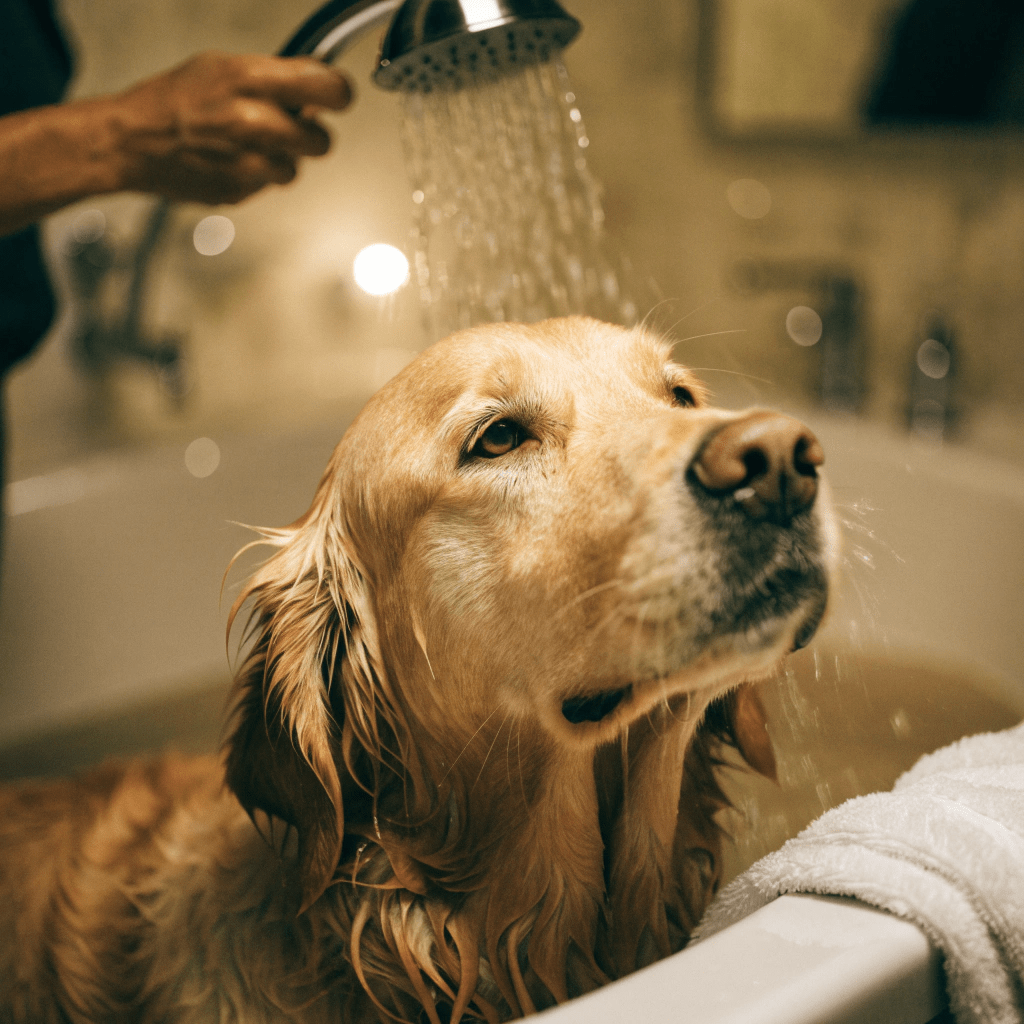
- 1. Understanding Your Dog's Coat Type
- 2. Breed-Specific Bathing Schedules
- 3. Lifestyle Factors That Affect Bathing Frequency
- 4. Signs Your Dog Actually Needs a Bath
- 5. Puppies vs. Adult Dogs: Different Bathing Needs
- 6. The Best Water Temperature for Dog Baths
- 7. Pre-Bath and Post-Bath Care Essentials
- 8. Choosing the Right Shampoo for Your Dog
- 9. When Dry Baths and Waterless Options Make Sense
- FAQ: Your Dog Bathing Questions Answered
- Conclusion
Here's the thing: Most dogs need a bath every 4-12 weeks, but the perfect frequency depends on your dog's breed, coat type, and lifestyle. In this guide, you'll learn exactly how often to bathe your specific dog breed—plus practical tips to keep their skin healthy and coat shiny between baths.
Figuring out the right dog bathing schedule is one of those pet care questions that doesn't have a one-size-fits-all answer. You might think bathing your dog monthly is the way to go, but the truth is more nuanced. Some dogs need regular baths, while others can go much longer between washes.
Here's why this matters: Bathing too frequently can contribute to dry or irritated skin, while not bathing often enough can leave dirt, allergens, and unpleasant odors on the coat. The ideal schedule depends on your dog's individual needs.
In this complete guide, we'll break down bathing frequency by breed, coat type, and lifestyle factors so you can create the right bathing routine for your dog. You'll also learn when your dog actually needs a bath, how to prepare for bath time, and how to keep their skin and coat healthy between baths.
1. Understanding Your Dog's Coat Type
Before you reach for the shampoo bottle, it's important to understand your dog's coat type. Different coats have different grooming requirements, and your dog's coat can have a major influence on how frequently bathing is appropriate.
Double-Coated Breeds
Double-coated breeds such as Golden Retrievers, German Shepherds, and Huskies have two layers of fur: a dense undercoat and longer guard hairs.
These dogs often don't need frequent full baths because their coats can naturally shed dirt and protect the skin. Regular brushing is particularly important because it removes loose fur, dirt, and debris while helping prevent mats and tangles.
Single-Coated Breeds
Single-coated breeds such as Poodles, Yorkies, and Maltese don't have the same dense undercoat. Their coats can trap dirt and may require more frequent grooming depending on their lifestyle and hair growth.
Many owners of these breeds coordinate bathing with regular professional grooming appointments.
Wire-Haired or Rough-Coated Breeds
Wire-haired breeds such as many Terriers and Schnauzers have distinctive coats that require regular maintenance.
Bathing frequency varies by individual dog, but brushing and appropriate grooming techniques are often just as important as the bath itself.
Short-Coated Breeds
Short-coated breeds such as Boxers, Dachshunds, and Chihuahuas often require less frequent full baths unless they become dirty, develop an odor, or have a medical condition requiring more frequent bathing.
The key takeaway is simple: coat type is an important starting point, but it shouldn't be the only factor you consider.
2. Breed-Specific Bathing Schedules
There is no scientifically fixed bathing schedule that applies to every individual dog within a breed. However, breed and coat characteristics can provide a useful starting point.
Breeds That Often Need More Regular Grooming
- Poodles
- Maltese
- Bichon Frise
- Shih Tzu
- Lhasa Apso
These breeds have coats that can continue growing and may be prone to tangling and matting. Regular grooming is therefore important, and bathing is often coordinated with professional grooming appointments.
Breeds With Moderate Grooming Needs
- Cocker Spaniels
- Springer Spaniels
- Beagles
- Dachshunds
- West Highland White Terriers
These dogs have different coat characteristics and activity levels, so their ideal bathing schedule can vary considerably from one dog to another.
Breeds That Often Need Less Frequent Full Baths
- Golden Retrievers
- Labrador Retrievers
- German Shepherds
- Huskies
- Corgis
- Boxers
- Bulldogs
Many double-coated and short-coated breeds can go longer between full baths when their coat remains clean and healthy. Regular brushing and spot cleaning can often reduce the need for frequent shampooing.
Bathing As Needed
- Chihuahuas
- Italian Greyhounds
- Many toy breeds
Small dogs that spend most of their time indoors may only need a full bath when they become visibly dirty, develop an unusual odor, or require bathing for a medical reason.
Remember that these are guidelines rather than strict rules. Your individual dog's lifestyle, skin condition, environment, and grooming needs should always be considered.
For more insights on breed-specific health concerns, explore our puppy socialization checklist.
3. Lifestyle Factors That Affect Bathing Frequency
Your dog's daily lifestyle can have a major impact on how frequently they need a bath. Two dogs of the same breed can have completely different bathing requirements.
Outdoor-Heavy Dogs
If your dog spends hours hiking, playing in the yard, swimming, or rolling in mud, they may need more frequent cleaning than a dog that spends most of the day indoors.
However, a dirty coat doesn't always require a complete shampoo bath. Depending on the situation, brushing, rinsing, or spot cleaning may be enough.
Indoor Dogs
Dogs that spend most of their time indoors and take relatively short walks may be able to go longer between baths.
If your dog's coat looks clean, smells normal, and their skin is healthy, there may be no reason to bathe them simply because a certain number of weeks has passed.
Water-Loving Dogs
Dogs that frequently swim in pools, lakes, or the ocean may benefit from a fresh-water rinse afterward.
Rinsing removes salt, chlorine, and other residues from the coat without necessarily requiring a full shampoo bath every time your dog goes swimming.
Dogs With Allergies or Sensitive Skin
Dogs with allergies or certain skin conditions may require more frequent bathing than healthy dogs.
In these situations, your veterinarian may recommend a specific bathing schedule and therapeutic shampoo. Follow those instructions rather than relying on a general breed-based schedule.
Check out our complete guide to dog allergies and natural relief remedies for more information.
Senior Dogs
Older dogs may develop changes in their skin and coat, making them more sensitive to grooming products or frequent bathing.
Senior dogs should be evaluated individually. If your older dog develops dry skin, excessive itching, odor, or other skin changes, talk to your veterinarian.
4. Signs Your Dog Actually Needs a Bath
Rather than following a rigid calendar, it's often better to pay attention to your dog's coat, skin, smell, and lifestyle.
Visual Signs
- Visible dirt or mud on the coat
- A greasy or unusually dull coat
- Debris trapped in the fur
- Discoloration around the paws or rear end
- Matting or tangles in long coats
Odor
You know what your dog's normal smell is. If they suddenly develop a strong or unusual odor, it may be time for a bath—or it may indicate an underlying skin or ear problem.
If a strong odor returns quickly after bathing, don't simply keep bathing your dog more frequently. Ask your veterinarian whether an infection or skin condition could be responsible.
Skin and Coat Changes
- Flaky skin
- Redness
- Persistent itching
- Excessive licking
- Changes in coat texture
- Unusual hair loss
These signs don't necessarily mean your dog needs a bath. They can also indicate allergies, parasites, infection, or another medical condition.
Activity-Based Indicators
- Your dog has come home covered in mud.
- Your dog has been swimming in the ocean or a pool.
- Your dog has rolled in something unpleasant.
- Your dog has accumulated visible dirt or debris after outdoor activity.
The goal is to clean your dog when they need it without turning bathing into an unnecessarily frequent routine.
5. Puppies vs. Adult Dogs: Different Bathing Needs
Puppies
Puppies have sensitive skin and can become stressed by unfamiliar grooming experiences. When a puppy needs a bath, use lukewarm water and a gentle shampoo specifically formulated for puppies.
Young puppies generally don't need frequent full baths unless they become dirty or your veterinarian recommends bathing for a medical reason.
Bath time can also be used as a positive training experience. Keep sessions short, use treats and praise, and introduce water gradually.
Adult Dogs
Adult dogs usually have more stable grooming needs. Their bathing frequency should be based on coat type, lifestyle, cleanliness, and individual skin health.
Senior Dogs
Senior dogs may have more sensitive or dry skin. Their bathing routine should therefore be adjusted according to their individual needs.
If your senior dog develops a new skin problem, unusual odor, excessive itching, or coat changes, consult your veterinarian before simply increasing bathing frequency.
6. The Best Water Temperature for Dog Baths
Water temperature can make a major difference to your dog's comfort during bath time.
Use Lukewarm Water
The water should feel comfortably warm rather than hot. A practical way to test it is with the inside of your wrist.
Water that is too hot can irritate the skin and make the bathing experience uncomfortable. Water that is too cold may cause stress and make your dog resistant to future baths.
Why Hot Water Isn't Recommended
Very hot water can dry or irritate your dog's skin and may make an already sensitive dog uncomfortable.
Why Cold Water Isn't Ideal
Cold water can be unpleasant and may make some dogs anxious during bathing. Lukewarm water is generally a more comfortable choice.
Tips for Dogs That Hate Baths
If your dog is nervous around water, introduce the experience gradually. Start with the paws and lower legs before slowly wetting the rest of the body.
Use treats and praise throughout the process, avoid spraying water directly into your dog's face, and keep the bath as calm and efficient as possible.
7. Pre-Bath and Post-Bath Care Essentials
Brush Before Bathing
For many dogs, brushing before the bath is one of the most important grooming steps.
Wet fur can make existing tangles and mats harder to remove. Brushing beforehand helps remove loose hair, dirt, and tangles.
- Shampoo can reach the coat more effectively.
- Your dog may be more comfortable.
- Drying can be easier.
- The finished coat can look cleaner and smoother.
During the Bath
Wet your dog's coat thoroughly, avoiding the eyes, nose, and inside of the ears. Apply a dog-specific shampoo and gently work it through the coat.
Pay particular attention to areas that become dirty easily, such as the paws, underside, and rear end.
Rinse thoroughly. Shampoo residue left on the skin can cause irritation.
After the Bath
Dry your dog thoroughly with a clean towel. For dogs with dense or long coats, additional drying may be necessary.
If you use a dryer, use a dog-safe dryer on an appropriate low or cool setting and never direct excessively hot air onto your dog's skin.
Once the coat is mostly dry, brush it again if appropriate for your dog's coat type.
Why Drying Matters
Leaving a thick coat damp for long periods can create an uncomfortable environment close to the skin. Thorough drying is especially important for dogs with dense coats, skin folds, or long hair.
8. Choosing the Right Shampoo for Your Dog
Choosing an appropriate shampoo is just as important as choosing the right bathing frequency.
General-Purpose Dog Shampoo
Healthy dogs without skin problems can generally use a quality shampoo specifically formulated for dogs.
Medicated Shampoo
Medicated shampoos may be recommended for dogs with specific skin conditions, allergies, yeast infections, or other dermatological problems.
These products should be used according to veterinary instructions.
Oatmeal-Based Shampoo
Oatmeal-based shampoos are commonly used for dogs with sensitive or mildly irritated skin. They can provide a soothing bathing experience for some dogs.
Hypoallergenic Shampoo
Hypoallergenic formulas may be appropriate for dogs with sensitive skin, but the term does not guarantee that a product will be suitable for every individual dog.
If your dog has a diagnosed skin condition, ask your veterinarian which type of shampoo is appropriate.
Puppy Shampoo
Puppy-specific shampoos are formulated with young dogs in mind and can be a good choice when bathing puppies.
What to Avoid
Never assume that human shampoo is appropriate for dogs. Dogs have different skin characteristics, and human products can be irritating.
It's also best to avoid harsh products or heavily fragranced formulas if your dog has sensitive skin.
9. When Dry Baths and Waterless Options Make Sense
A full water bath isn't always necessary. Between regular baths, several dog-specific cleaning options can be useful.
Dry Shampoo
Some dog-specific dry shampoos are designed to absorb excess oils and freshen the coat between baths.
Always follow the product instructions and prevent your dog from inhaling or ingesting the product.
Waterless or Foam Shampoos
Waterless shampoos can be useful for quick cleanups. They can help freshen the coat when a full bath isn't practical, although they don't replace thorough washing when the dog is genuinely dirty.
Grooming Wipes
Dog-safe grooming wipes can be useful for cleaning muddy paws or small dirty areas after outdoor activities.
Deodorizing Products
Dog-specific deodorizing sprays can temporarily freshen a coat, but persistent odor should not simply be covered up with fragrance.
If your dog repeatedly smells bad shortly after bathing, consult your veterinarian because persistent odor can sometimes indicate a skin or ear problem.
When to Skip a Full Bath
- Your dog is only slightly dirty.
- You can remove the dirt with brushing or spot cleaning.
- Your dog has recently had a full bath.
- Your veterinarian has instructed you to avoid bathing temporarily.
- Your dog is recovering from surgery or another medical procedure.
FAQ: Your Dog Bathing Questions Answered
1. Can You Bathe Your Dog Too Often?
Yes. Excessive bathing can contribute to dry or irritated skin, particularly when harsh products or very hot water are used.
However, some dogs with specific skin conditions may need frequent therapeutic baths prescribed by a veterinarian. In those cases, follow the recommended bathing schedule and shampoo instructions.
2. How Do I Know If My Dog Needs a Bath?
Look for visible dirt, an unusual odor, a greasy or dirty coat, or debris trapped in the fur.
If your dog looks and smells clean and their skin is healthy, there may be no need to bathe them simply because a certain number of weeks has passed.
3. What's the Best Temperature for Bathing a Dog?
Lukewarm water is generally the best choice. Test the water with your wrist before bathing your dog. It should feel comfortably warm rather than hot.
4. Should I Bathe My Dog Before or After Grooming?
This depends on the type of grooming.
For professional grooming, many groomers prefer working with a clean coat. If you're unsure, ask your groomer about their preferred routine for your dog's specific coat.
5. How Do I Bathe a Dog That Hates Water?
Introduce water gradually and make the experience as positive as possible. Use treats and praise, avoid spraying water directly into the face, and keep the session short.
Never force your dog into a frightening experience if they are extremely distressed. Gradual desensitization can help build confidence over time.
6. What Type of Shampoo Should I Use for My Dog?
Choose a shampoo specifically formulated for dogs and select the formula according to your dog's coat and skin needs.
Dogs with sensitive skin may benefit from gentle formulas, while dogs with diagnosed skin conditions may require a therapeutic shampoo recommended by their veterinarian.
Never use human shampoo as a substitute for dog shampoo.
Conclusion
Getting your dog's bathing frequency right is an important part of routine pet care, but there isn't one universal schedule that works for every dog.
Your dog's breed, coat type, lifestyle, activity level, environment, age, and individual skin condition all influence how often they should be bathed.
Here's your action plan: Start by considering your dog's coat and lifestyle, then pay attention to how their skin and coat look between baths. Use regular brushing and spot cleaning to extend the time between full baths when appropriate.
Remember that bathing more often isn't necessarily better. The goal is to keep your dog clean and comfortable while maintaining a healthy skin barrier.
If your dog develops persistent itching, redness, unusual odor, recurrent ear problems, excessive shedding, or other skin changes, don't simply increase the bathing frequency. Ask your veterinarian whether an underlying medical problem could be responsible.
You can also learn why dogs display behaviors such as licking to better understand your furry friend's habits.
Your dog deserves a bathing routine that keeps them clean, comfortable, and healthy without unnecessary stress. With the right combination of bathing, brushing, grooming, and veterinary care when needed, you can build a routine that works for your individual dog.
```