
German Shepherd: Complete Breed Guide, Temperament & Care Tips That Actually Work
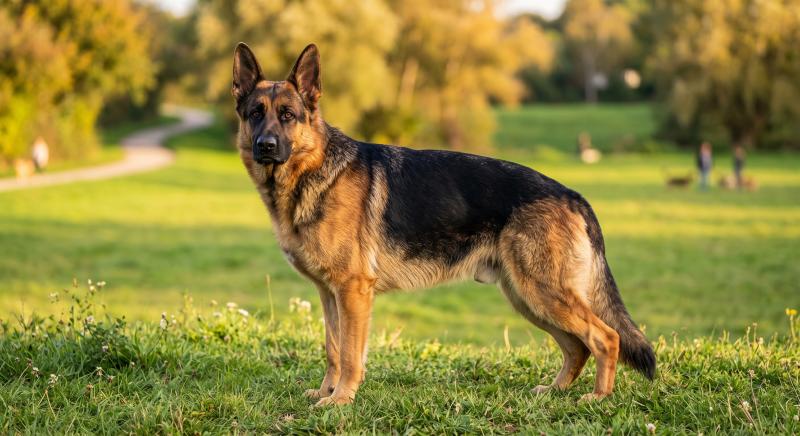
- 1. German Shepherd Temperament: What Really Drives This Breed
- 2. Exercise Requirements: How Much Is Enough?
- 3. Training & Intelligence: Tapping Into a Highly Trainable Mind
- 4. Health Issues: What Owners Should Know
- 5. Socialization & Puppy Development: The Critical Window
- 6. Grooming & Coat Management: Preparing for Continuous Shedding
- 7. Living Space & Environment Considerations
- 8. Breeding, Puppy Selection & Responsible Ownership
- 9. Long-Term Commitment & Life Stage Transitions
- Frequently Asked Questions About German Shepherds
- 1. Are German Shepherds Aggressive Dogs by Nature?
- 2. How Much Does a German Shepherd Cost?
- 3. Do German Shepherds Get Along With Cats and Other Small Pets?
- 4. What's the Best Dog Food for a German Shepherd With Digestive Issues?
- 5. Can German Shepherds Live in Apartments?
- 6. How Do I Stop My German Shepherd From Excessive Barking?
- Conclusion: Is a German Shepherd Right for You?
German Shepherds are intelligent, loyal, and versatile working dogs that thrive with experienced owners. They require plenty of daily exercise, consistent training from an early age, and proper socialization to help prevent behavioral problems.
If you're ready for a high-energy companion that's deeply devoted to its family, the German Shepherd can be an exceptional choice—but this breed requires serious time, patience, and commitment.
So you're thinking about getting a German Shepherd? Here's the thing: they're not the dog for everyone, but they're absolutely the right dog for the right owner.
German Shepherds are among the world's most popular dog breeds, and for good reason. They're intelligent, courageous, athletic, versatile, and deeply loyal to their families.
But before you fall in love with those pointed ears and athletic build, you need to understand what you're really signing up for. These dogs aren't couch potatoes. They need physical exercise, mental stimulation, consistent training, and appropriate socialization.
In this guide, we'll walk you through everything you need to know about German Shepherds—from their temperament and training requirements to health concerns, grooming, exercise, and everyday care.
1. German Shepherd Temperament: What Really Drives This Breed
German Shepherds aren't necessarily aggressive by nature—they are naturally alert and protective. There's an important difference.
The breed was developed in Germany in the late 19th century primarily for herding and protecting sheep. Over generations, selective breeding emphasized intelligence, courage, trainability, and a strong work ethic.
As a result, German Shepherds are often naturally cautious around unfamiliar people while remaining intensely loyal to their families.
What You'll Actually Experience Daily
These dogs often thrive when they have a clear purpose. Without sufficient physical exercise and mental engagement, some German Shepherds can become bored, anxious, vocal, or destructive.
You'll probably notice your German Shepherd observing everything around them—your movements, visitors, sounds outside, and changes in their environment. That intense focus is one of the characteristics that makes them excellent working and service dogs.
Their loyalty can also be extremely strong. Once they bond with their family, many German Shepherds want to stay close to their people and participate in daily activities.
German Shepherds can be affectionate and devoted family companions. They may follow their owners from room to room, lean against them, or simply want to be nearby.
However, their size, strength, and enthusiasm can be overwhelming for very young children. Supervision is particularly important during play, regardless of how friendly the dog is.
Compatibility with other dogs depends heavily on genetics, temperament, training, and early socialization. Early positive exposure to different people, dogs, environments, sounds, and situations can help puppies develop into confident adults.
2. Exercise Requirements: How Much Is Enough?
One of the most common mistakes new German Shepherd owners make is underestimating their exercise needs.
A healthy adult German Shepherd typically benefits from substantial daily physical activity combined with mental stimulation. The exact amount depends on age, health, temperament, and lifestyle.
Breaking Down the Exercise Formula
| Exercise Type | Typical Duration | Frequency | Purpose |
|---|---|---|---|
| Walking/Jogging | 30–60 minutes | 1–2 times daily | Cardiovascular health and mental stimulation |
| Fetch/Retrieval Play | 15–30 minutes | Several times per week | Physical activity and play |
| Obedience Training | 10–20 minutes | Most days | Mental stimulation and communication |
| Agility/Obstacle Work | 15–30 minutes | Several times per week | Coordination and problem-solving |
| Scent Work Games | 10–20 minutes | Several times per week | Natural instincts and mental enrichment |
When a German Shepherd doesn't receive enough appropriate stimulation, you may see:
- Destructive chewing or digging
- Excessive barking or vocalization
- Restlessness and pacing
- Jumping on people
- Mouthing during play
- Difficulty settling down
- Frustration or anxiety
The Apartment Question
Can you raise a German Shepherd in an apartment? Yes, it is possible, but it requires commitment.
Living in an apartment means you can't rely on a backyard for exercise. You'll need to provide regular walks, training, enrichment, and opportunities for appropriate physical activity.
The dog's individual temperament matters more than the size of the home alone. A well-exercised and mentally stimulated German Shepherd can adapt surprisingly well to different living environments.
3. Training & Intelligence: Tapping Into a Highly Trainable Mind
German Shepherds are highly intelligent and generally very trainable. Their combination of intelligence, motivation, and willingness to work makes them popular in police work, search and rescue, assistance work, sport, and many other working roles.
However, intelligence doesn't automatically equal good behavior. A smart dog still needs clear guidance and consistent training.
Training Approach That Works
German Shepherds generally respond well to:
- Positive reinforcement using treats, praise, toys, and play
- Clear and consistent rules
- Short, frequent training sessions
- Reward-based learning
- Early socialization
- Calm and consistent communication
Consistency is especially important. Every member of the household should use the same basic rules and cues.
Common Training Challenges
Jumping on Guests
German Shepherds can become extremely excited when people arrive. Reward calm greetings and avoid accidentally reinforcing jumping with attention.
Leash Pulling
Their strength makes leash manners especially important. Begin teaching loose-leash walking from puppyhood and use equipment that provides safe, comfortable control.
Reactivity to Other Dogs
Some German Shepherds may become reactive toward unfamiliar dogs. Proper socialization and controlled exposure can help, while professional assistance is recommended when reactivity is severe.
4. Health Issues: What Owners Should Know
German Shepherds can be healthy, active dogs, but the breed is predisposed to several health conditions. Responsible breeding, appropriate nutrition, maintaining a healthy weight, and regular veterinary care can help reduce risks and identify problems early.
Hip and Elbow Dysplasia
Hip and elbow dysplasia involve abnormal development of the joints and can contribute to arthritis and mobility problems.
Potential warning signs include:
- Rear-leg stiffness
- Limping
- Reluctance to climb stairs or jump
- Difficulty getting up
- Reduced willingness to exercise
When choosing a puppy, ask breeders for documented health testing of the parents and information about the health history of previous generations.
Degenerative Myelopathy
Degenerative myelopathy is a progressive neurological condition that can affect German Shepherds, particularly later in life.
Early signs may include weakness or instability in the hind legs. Genetic testing can provide information about risk, but it does not guarantee that a dog will or will not develop the disease.
Exocrine Pancreatic Insufficiency (EPI)
EPI occurs when the pancreas does not produce enough digestive enzymes. Symptoms can include weight loss, chronic diarrhea, increased appetite, and poor nutrient absorption.
Veterinary diagnosis and enzyme replacement therapy can help many affected dogs manage the condition.
Bloat and Gastric Dilatation-Volvulus (GDV)
GDV is a life-threatening emergency in which the stomach becomes distended and may twist.
Possible warning signs include:
- Sudden abdominal swelling
- Restlessness
- Repeated attempts to vomit without producing anything
- Excessive drooling
- Weakness or collapse
If GDV is suspected, seek emergency veterinary care immediately.
Preventative Health Strategy
- Maintain a healthy body condition.
- Feed a nutritionally complete diet appropriate for the dog's age and activity level.
- Schedule regular veterinary examinations.
- Discuss joint health and supplements with your veterinarian before adding them.
- Monitor changes in appetite, weight, mobility, digestion, and behavior.
- Consider appropriate screening based on your dog's age and family history.
Early socialization plays a major role in helping German Shepherd puppies become confident, adaptable adults.
The goal isn't to overwhelm a puppy with as many experiences as possible. Instead, puppies should be introduced gradually and positively to different people, animals, environments, sounds, surfaces, and handling experiences.
Your German Shepherd puppy should gradually experience:
- Different people and appearances
- Children and adults
- Friendly, appropriately vaccinated dogs
- Different environments
- Grass, tile, gravel, sand, and other safe surfaces
- Household sounds such as vacuum cleaners
- Car rides
- Veterinary handling
- Gentle handling of paws, ears, mouth, and body
Always keep experiences positive and appropriate for the puppy's age and vaccination status.
Fear Periods
Puppies can go through periods when they are temporarily more sensitive to unfamiliar experiences. During these phases, avoid forcing a puppy into frightening situations.
Instead, create distance, reward calm behavior, and allow the puppy to approach new experiences at a comfortable pace.
6. Grooming & Coat Management: Preparing for Continuous Shedding
German Shepherds typically have a double coat consisting of a dense undercoat and protective outer coat. In practical terms: they shed.
Shedding can increase significantly during seasonal coat changes, meaning regular brushing is essential for both coat management and keeping loose hair under control.
Grooming Routine Breakdown
| Task | Typical Frequency | Details |
|---|---|---|
| Brushing | Several times per week | Increase frequency during heavy shedding periods. |
| Bathing | As needed | Use a dog-specific shampoo and avoid unnecessary bathing. |
| Ear Checks | Weekly | Look for redness, odor, discharge, or irritation. |
| Nail Trimming | Every few weeks | Frequency depends on how quickly the nails grow and wear down. |
| Dental Care | Daily if possible | Regular brushing helps reduce plaque and periodontal disease. |
The shedding reality is simple: if you hate dog hair, prepare yourself. A quality brush, washable furniture covers, and a good vacuum can make life much easier.
7. Living Space & Environment Considerations
German Shepherds can adapt to different homes, but their environment should allow sufficient exercise, training, and enrichment.
Yard Safety Requirements
- Secure fencing: German Shepherds are athletic and capable of escaping poorly secured yards.
- Fence maintenance: Regularly check for gaps and damaged sections.
- Shade and water: Always provide access when the dog is outdoors.
- Enrichment: Rotate toys and provide appropriate activities instead of leaving the dog bored in the yard.
Climate Adaptability
German Shepherds generally tolerate cold weather well because of their double coat, but heat requires extra caution.
During hot weather:
- Exercise during cooler parts of the day.
- Provide constant access to fresh water.
- Provide shade and a cool resting area.
- Never leave your dog inside a parked car.
- Watch for excessive panting, weakness, confusion, or collapse.
8. Breeding, Puppy Selection & Responsible Ownership
Choosing the right source is one of the most important decisions you'll make when getting a German Shepherd.
Red Flags in Breeders
- ❌ No documented health testing
- ❌ Refusal to discuss health problems in the breed
- ❌ Puppies routinely available with little screening of buyers
- ❌ Puppies sold at an inappropriately young age
- ❌ No written contract
- ❌ No information about the parents or previous generations
- ❌ Poor living conditions
Green Flags in Breeders
- ✅ Health testing appropriate for the breed
- ✅ Transparent information about the parents
- ✅ Puppies raised in clean, enriched environments
- ✅ Early socialization and appropriate handling
- ✅ A written contract
- ✅ Willingness to answer questions about temperament and health
- ✅ A commitment to the puppies throughout their lives
Rescue vs. Breeder Decision
Both rescue and responsible breeding can be excellent options.
Adopting an adult German Shepherd may allow you to learn more about the dog's established temperament and behavior before bringing them home.
A responsibly bred puppy gives you the opportunity to influence development from an early age, while a reputable breeder should also provide health information and ongoing support.
The most important factor is finding a dog whose temperament, energy level, and needs fit your lifestyle.
9. Long-Term Commitment & Life Stage Transitions
Bringing home a German Shepherd is a long-term commitment. Your dog's needs will change considerably throughout their life.
Puppyhood (0–12 months)
Puppies require frequent potty breaks, basic training, socialization, supervision, and plenty of sleep. This stage can be exhausting, but it lays the foundation for future behavior.
Young Adulthood (1–4 years)
This is often the peak-energy period. German Shepherds may be physically capable of intense activity while still requiring ongoing training and impulse control.
Mature Adulthood (4–7 years)
Many dogs begin to settle mentally during these years, although they can remain highly active. Maintaining fitness and monitoring joint health becomes increasingly important.
Senior Years (8+ years)
Senior German Shepherds may need shorter or lower-impact exercise, more frequent veterinary monitoring, and adjustments to their diet and daily routine.
Frequently Asked Questions About German Shepherds
1. Are German Shepherds Aggressive Dogs by Nature?
No. German Shepherds are naturally alert and protective, but aggression is not inevitable or desirable.
Genetics, early experiences, socialization, training, environment, and individual temperament all influence behavior. Poor breeding, neglect, fear, or inappropriate training can contribute to serious behavioral problems.
A well-bred, properly socialized, appropriately trained German Shepherd can be a stable and reliable companion.
2. How Much Does a German Shepherd Cost?
The cost varies significantly depending on whether you adopt or purchase from a breeder, as well as your location and the dog's lineage.
Beyond the initial acquisition cost, remember to budget for:
- Food
- Routine veterinary care
- Emergency medical expenses
- Training
- Grooming supplies
- Toys and enrichment
- Crate and bedding
- Leashes, collars, and harnesses
- Pet insurance, if appropriate
The true cost of owning a German Shepherd extends over the dog's entire lifetime, so financial preparation is essential.
3. Do German Shepherds Get Along With Cats and Other Small Pets?
It depends on the individual dog's temperament, prey drive, socialization, and previous experience.
A German Shepherd raised appropriately around cats may coexist peacefully with them. However, introductions should always be gradual and supervised.
Never assume that a dog and a small animal are safe together simply because they have lived together for a short period.
4. What's the Best Dog Food for a German Shepherd With Digestive Issues?
There isn't one universal diet that works for every German Shepherd with digestive problems.
If your dog has recurring diarrhea, vomiting, unexplained weight loss, excessive gas, or other digestive symptoms, consult your veterinarian rather than changing foods repeatedly on your own.
Your veterinarian may recommend a specific therapeutic diet, a limited-ingredient food, a novel protein, or other dietary approach depending on the underlying cause.
5. Can German Shepherds Live in Apartments?
Yes. Apartment living can work if the dog's physical and mental needs are consistently met.
You'll need to provide regular exercise, training, enrichment, and opportunities to explore. A yard is convenient, but it does not replace walks, training, or interaction with the owner.
6. How Do I Stop My German Shepherd From Excessive Barking?
Start by identifying why the dog is barking. Common causes include boredom, frustration, anxiety, territorial behavior, excitement, or attention-seeking.
Helpful strategies include:
- Providing adequate physical exercise
- Adding daily mental stimulation
- Teaching a reliable quiet cue
- Rewarding calm behavior
- Reducing exposure to triggers when appropriate
- Addressing anxiety with professional help when necessary
Punishing barking without addressing its underlying cause often fails to solve the problem.
Conclusion: Is a German Shepherd Right for You?
Here's the honest truth: German Shepherds can be among the most rewarding dogs you can own—but only if you're prepared to meet their needs.
They're intelligent, athletic, loyal, trainable, and deeply connected to their families. They can excel as companions, working dogs, sport dogs, service dogs, and many other roles.
But they're also demanding. They require exercise, training, socialization, veterinary care, and daily interaction.
If you travel frequently, work long hours away from home, dislike physical activity, or don't have the patience for consistent training, another breed may be a better fit.
If you're ready for a loyal, intelligent, powerful companion and you're willing to make a genuine commitment, a German Shepherd can become an extraordinary member of your family.
Choose your dog carefully, prioritize responsible breeding or reputable rescue, invest in proper training and socialization, and understand that you're making a commitment that can last well over a decade.
The reward? A devoted companion, an intelligent training partner, and a dog that wants to be involved in almost everything you do.