
The Best Dog Breed for an Active Person
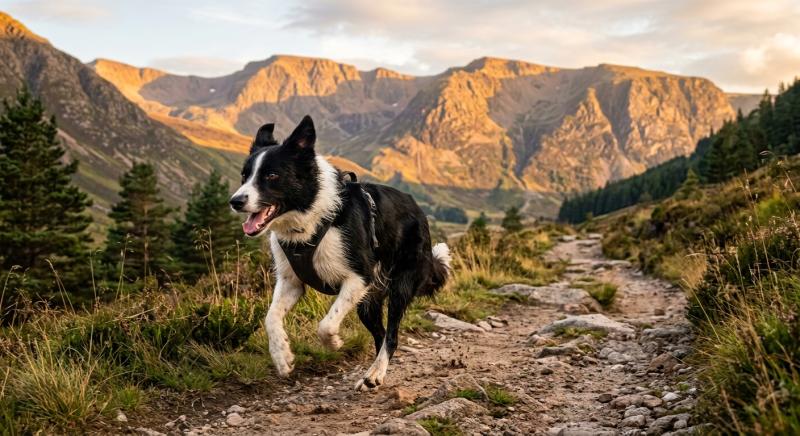
- The Best Dog Breed for an Active Person: Complete Guide to High-Energy Companions
- 1. Border Collie: The Unstoppable Athlete
- 2. German Shorthaired Pointer: The Versatile Sportsman
- 3. Australian Shepherd: The Smart Herder (Yes, They're American)
- 4. Labrador Retriever: The Adaptable Powerhouse
- 5. Siberian Husky: The Endurance Legend
- 6. Vizsla: The "Velcro Dog"
- 7. Belgian Malinois: The Military-Grade Athlete
- 8. Jack Russell Terrier: Proof That Size Doesn't Matter
- 9. Weimaraner: The Gray Ghost
- 10. Dalmatian: The Endurance Runner
- How Much Exercise Do Active Dog Breeds Really Need?
- Mental Stimulation: The Underrated Game-Changer
- Common Mistakes Active Owners Make
- Preparing Your Home and Life for a High-Energy Dog
- 6 Frequently Asked Questions About Active Dog Breeds
- Q1: Can I take my high-energy dog on road trips or vacations?
- Q2: What's the best age to start serious training with a high-energy dog?
- Q3: Are high-energy dogs good with kids?
- Q4: Can I own a high-energy dog if I work full-time?
- Q5: What's the lifespan of high-energy dog breeds?
- Q6: Do high-energy dogs make good apartment dogs?
- Choosing the Right High-Energy Breed for Your Lifestyle
- Nutrition and Health Considerations for Active Dogs
- The Long-Term Commitment: It's More Than Just Exercise
- Conclusion: Your Perfect Active Companion Awaits
Looking for the perfect workout buddy? Active dog breeds combine boundless energy with loyalty, thriving on adventure and exercise. The best choices—Border Collies, German Shorthaired Pointers, Labrador Retrievers—need 60–120 minutes of daily activity but reward you with unshakable companionship. This guide breaks down the top breeds, their exercise needs, and how to match your lifestyle to the right dog.
The Best Dog Breed for an Active Person: Complete Guide to High-Energy Companions
Here's the thing: not all dogs are created equal when it comes to keeping pace with an active lifestyle. If you're someone who lives for early morning runs, weekend hikes, or cycling adventures, adopting a couch-potato breed will leave you frustrated—and your dog bored out of its mind.
The right high-energy dog breed doesn't just survive alongside your active routine; it thrives on it. These dogs were bred for jobs like herding, hunting, and retrieving. They've got the stamina, intelligence, and drive to match your energy level while building an unbreakable bond with you.
But here's the catch: picking the wrong breed can lead to destructive behavior, excessive barking, and a dog that's perpetually anxious. That's why understanding what makes a dog "active" and which breeds truly fit an athletic lifestyle matters.
In this guide, we'll walk you through the top high-energy dog breeds for active owners, what they need to thrive, and how to choose the right one for your situation. Whether you're a trail runner, cyclist, or weekend adventurer, you'll find your ideal four-legged partner here.
What you'll learn:
- Which breeds have the stamina to match your activity level
- Daily exercise requirements and mental stimulation needs
- How to prepare your home and routine for a high-energy dog
- Common mistakes active owners make before bringing your new companion home
1. Border Collie: The Unstoppable Athlete
If you're looking for a dog that's basically a four-legged endurance machine, the Border Collie is your answer. These dogs are widely considered among the most intelligent dog breeds, and they're happiest when they have a job to do.
Why they're perfect for active owners:
Border Collies were originally bred to herd sheep across Scottish and English countryside—sometimes for entire days. That heritage means they've got:
- Explosive speed and agility
- Problem-solving abilities that border on genius
- A drive to work that's almost obsessive
- Loyalty that's unmatched
Exercise needs: Minimum 60–90 minutes daily, split between physical activity and mental challenges. A simple walk won't cut it; these dogs need trail running, agility courses, or herding trials.
The reality check: Border Collies are demanding. Without adequate stimulation, they'll invent their own jobs—like "herding" your family members or destroying your furniture. They need owners who are genuinely committed to training and engagement.
Best for: Experienced dog owners, trail runners, agility enthusiasts, or anyone with access to open land.
2. German Shorthaired Pointer: The Versatile Sportsman
German Shorthaired Pointers (GSPs) are the Swiss Army knife of active dog breeds. Historically bred as hunting dogs, they love running, swimming, and exploring their surroundings—making them perfect for families who love activities like hiking and outdoor adventures.
Why they're perfect for active owners:
GSPs combine athleticism with a genuine love for being around their humans. They're:
- Excellent swimmers (they've got webbed paws)
- Natural retrievers with soft mouths
- Affectionate and eager to please
- Versatile enough for almost any outdoor activity
Exercise needs: 60–90 minutes daily, ideally including running, swimming, or retrieving games.
The personality angle: Unlike Border Collies, GSPs are slightly more laid-back. They're happy to chill on the couch after they've burned off their energy. This makes them more forgiving for owners who occasionally miss a workout day.
Best for: Runners, swimmers, hunters, families with active kids, or anyone who enjoys water sports.
3. Australian Shepherd: The Smart Herder (Yes, They're American)
Despite the name, Australian Shepherds were actually developed in the American West. These dogs are very smart and active, excel in dog sports, and were bred to herd livestock—so they'll likely seek out their own "work" if not given an outlet for their energy.
Why they're perfect for active owners:
Aussies are the middle ground between Border Collies and GSPs. They offer:
- Incredible intelligence and trainability
- Moderate size (40–65 lbs) that's easier to handle than larger breeds
- Strong herding instinct that translates to focus and obedience
- Genuine affection for their families
Exercise needs: 60–90 minutes daily, with emphasis on mental stimulation and structured activities.
The behavioral note: Aussies can develop anxiety or stubbornness if under-stimulated. They thrive on structure, training, and having a clear "job." This breed isn't for casual dog owners.
Best for: Active families, dog sport enthusiasts, people who enjoy training, or anyone with a yard.
4. Labrador Retriever: The Adaptable Powerhouse
Labradors are America's favorite dog breed for good reason. They're fantastic hunters, swimmers, and playmates—and they're always up for an adventure, whether you're hiking, playing fetch, or just enjoying their goofy charm.
Why they're perfect for active owners:
Labs are the "golden retriever" of high-energy breeds (pun intended). They:
- Love water and retrieving (it's literally in their DNA)
- Have steady temperaments that handle activity variations well
- Build strong bonds with their families
- Perform well in almost any dog sport
Exercise needs: 60–90 minutes daily, with a strong emphasis on swimming or retrieving if possible.
The reality check: Labs can become overweight if their exercise needs aren't met. They're also prone to hip dysplasia, so ensure you're working with a reputable breeder and maintaining a healthy weight.
Best for: Active families, runners, swimmers, first-time active dog owners, or anyone with access to water.
5. Siberian Husky: The Endurance Legend
Want a dog that can literally run for miles? Siberian Huskies were bred to pull sleds across frozen tundra—and that heritage shows. These dogs are known for their striking looks and endurance, and they thrive in active homes.
Why they're perfect for active owners:
Huskies are built for distance. They offer:
- Seemingly unlimited stamina
- Friendly, pack-oriented temperament
- Striking appearance and presence
- Natural enthusiasm for cold-weather activities
Exercise needs: 90–120+ minutes daily. These dogs aren't satisfied with a casual jog; they want real distance.
The catch: Huskies have a strong prey drive and are notorious escape artists. They've been known to jump fences when they're bored.
They also shed heavily year-round and require experienced handling.
Best for: Marathon runners, distance cyclists, people in cold climates, or experienced dog owners with secure fencing.
6. Vizsla: The "Velcro Dog"
Vizslas are Hungarian hunting dogs often called "Velcro Dogs" because they literally stick to their owners. These sleek, energetic dogs are fantastic hunters and family companions, and with their affectionate nature and endless stamina, they'll keep you on your toes in the best way.
Why they're perfect for active owners:
Vizslas combine athleticism with emotional intelligence. They:
- Form deep bonds with their owners
- Have elegant builds that make them excellent runners
- Respond well to training and positive reinforcement
- Thrive on being included in family activities
Exercise needs: 60–90 minutes daily, with an emphasis on running and interactive play.
The personality angle: Unlike some high-energy breeds, Vizslas genuinely prefer being with their humans. They don't do well alone for long periods and can develop anxiety if left isolated.
Best for: Active individuals or couples, runners, people who want a close companion, or anyone who can include their dog in daily activities.
7. Belgian Malinois: The Military-Grade Athlete
If you want a dog that's basically a four-legged special ops soldier, meet the Belgian Malinois. This alert, high-energy breed is commonly used by police and military units, reflecting the breed's athleticism and drive.
Why they're perfect for active owners:
Malinois are intense. They deliver:
- Exceptional intelligence and trainability
- Unshakeable focus and drive
- Protective instincts balanced with loyalty
- Capability to handle any terrain or weather
Exercise needs: 90–120+ minutes daily, including structured training and challenging activities.
The reality check: Malinois are not beginner dogs. They need experienced owners who understand working breeds, can provide consistent leadership, and have the time for serious training. These dogs can develop behavioral issues quickly if under-managed.
Best for: Experienced dog owners, active individuals with military/police backgrounds, people committed to training, or anyone with a secured property.
8. Jack Russell Terrier: Proof That Size Doesn't Matter
Don't let their small stature fool you. Jack Russell Terriers are pint-sized dynamos with enormous personalities who love chasing, digging, and performing tricks.
Why they're perfect for active owners:
JRTs punch way above their weight class. They offer:
- Incredible energy relative to their size (14–18 lbs)
- Fearless attitude and hunting drive
- Trainability for tricks and agility
- Adaptability to smaller living spaces
Exercise needs: 45–60 minutes daily, but it needs to be intense activity. These dogs burn calories fast.
The behavioral note: JRTs have strong prey drives and can be stubborn. They need owners who can set boundaries and provide consistent training.
Best for: Apartment dwellers who are active, agility enthusiasts, people who want a small but spirited companion, or anyone with a secure yard.
9. Weimaraner: The Gray Ghost
Weimaraners have an elegant, athletic build that makes them look like they were designed for running. Nicknamed the "Gray Ghost," the Weimaraner is an elegant, athletic breed full of energy that excels at hunting and loves being part of an active household.
Why they're perfect for active owners:
Weimaraners are the poets of the high-energy dog world. They combine:
- Sleek, powerful builds
- Affectionate nature with their families
- Exceptional hunting and retrieving skills
- Responsiveness to training
Exercise needs: 60–90 minutes daily, with emphasis on running and interactive play.
The reality check: Weimaraners can develop separation anxiety and aren't suited for owners who work long hours away from home.
Best for: Active individuals or couples, runners, hunters, people who want a dog that's both athletic and affectionate.
10. Dalmatian: The Endurance Runner
Dalmatians have a surprising history: they were originally bred to run alongside carriages for miles. These athletic dogs make ideal running and hiking partners for people with an active lifestyle.
Why they're perfect for active owners:
Dalmatians are underrated active companions. They deliver:
- Natural endurance and speed
- Good-natured temperament
- Adaptability to various activities
- Distinctive appearance that turns heads
Exercise needs: 60–90 minutes daily, ideally including running or cycling.
The health note: Dalmatians are prone to deafness, so health screening from reputable breeders is essential.
Best for: Runners, cyclists, active families, or anyone looking for a unique high-energy breed.
How Much Exercise Do Active Dog Breeds Really Need?
Here's the practical breakdown: High-energy breeds generally need at least 60–120 minutes of exercise daily, split between physical activity and mental engagement.
But "exercise" doesn't just mean walking. Here's what counts:
| Activity Type | Duration | Mental Stimulation |
|---|---|---|
| Running/Jogging | 30–45 min | Medium |
| Trail hiking | 45–90 min | High |
| Swimming/Water play | 30–60 min | Medium–High |
| Agility/Dog sports | 30–60 min | Very High |
| Fetch/Retrieval games | 20–40 min | Medium |
| Training sessions | 15–30 min | Very High |
| Puzzle toys/Mental work | 20–30 min | Very High |
The key insight: A 90-minute walk with zero mental engagement won't satisfy a Border Collie. You need variety—mix physical exhaustion with mental challenges.
Mental Stimulation: The Underrated Game-Changer
Here's what most active dog owners get wrong: they focus entirely on physical exercise and ignore mental stimulation.
High-energy breeds were bred to think while they work. A Border Collie herding sheep isn't just running; it's solving problems, making decisions, and focusing intensely. Without mental engagement, even an exhausted dog can develop behavioral issues.
Mental stimulation includes:
- Puzzle toys and treat-dispensing games
- Training sessions (10–15 minutes, multiple times daily)
- Scent work and tracking games
- Agility courses that require problem-solving
- Interactive play that requires decision-making
The practical tip: A dog that's both physically tired and mentally stimulated will sleep peacefully for hours. A dog that's only physically tired might still be restless and anxious.
Common Mistakes Active Owners Make
Mistake #1: Assuming Any Exercise Is Good Exercise
Not all exercise is created equal. Treadmill running for 2 hours might tire your dog's legs but leave their brain spinning. High-energy breeds need varied activities that engage both body and mind.
Mistake #2: Skipping Training
Active owners often assume their dog will be happy just running. Wrong. Training provides mental stimulation, establishes leadership, and gives your dog a sense of purpose.
Mistake #3: Ignoring Weather Extremes
Your Siberian Husky might love snow, but your German Shorthaired Pointer could overheat in summer. Adjust activities based on breed, age, and weather conditions.
High-energy dogs often have strong prey drives or herding instincts. Early socialization with other dogs, people, and environments prevents behavioral issues down the road.
Mistake #5: Choosing a Breed Based on Looks Alone
That Instagram-famous Border Collie might look cool, but are you ready for 90 minutes of daily engagement? Choose based on realistic lifestyle fit, not aesthetics.
Preparing Your Home and Life for a High-Energy Dog
Before you bring home your new companion, prepare your environment:
Physical Preparation:
- Secure fencing (especially for escape artists like Huskies)
- Designated exercise areas (yard, nearby trails, dog parks)
- Storage for toys, treats, and enrichment items
- A comfortable resting area away from household chaos
Routine Preparation:
- Establish a consistent exercise schedule
- Plan for backup care on busy days
- Budget for training classes or a professional trainer
- Identify local trails, dog parks, or running routes
Mental Preparation:
- Understand your breed's specific needs and quirks
- Commit to ongoing training and engagement
- Accept that some days won't go to plan (illness, weather, work emergencies)
- Build a support network of other active dog owners
6 Frequently Asked Questions About Active Dog Breeds
Q1: Can I take my high-energy dog on road trips or vacations?
A: Absolutely, and most high-energy dogs love travel. However, plan ahead: research dog-friendly accommodations, bring water and food bowls, and maintain exercise routines even while traveling. Some breeds handle car rides better than others—Labradors and Vizslas are typically excellent travelers, while some herding breeds can get anxious in vehicles.
Q2: What's the best age to start serious training with a high-energy dog?
A: Begin basic training immediately (8–12 weeks old), but don't start intense activities like long-distance running until the dog is fully grown (12–18 months, depending on breed). Growing puppies have soft cartilage that's vulnerable to injury. Focus on obedience, socialization, and light play during the first year.
Q3: Are high-energy dogs good with kids?
A: It depends on the breed and individual dog. Labrador Retrievers and Australian Shepherds are typically excellent with children. Border Collies and Huskies can be intense and might not tolerate rough play. Always supervise interactions and choose a breed known for good temperament with kids.
Q4: Can I own a high-energy dog if I work full-time?
A: It's challenging but possible. You'll need a dog walker, doggy daycare, or a trusted friend to provide midday exercise. Many active dog owners also adjust their work schedules (working from home part-time, flexible hours) to meet their dog's needs. Be realistic—a Border Collie alone for 8 hours daily will develop behavioral issues.
Q5: What's the lifespan of high-energy dog breeds?
A: Most active breeds live 10–14 years. German Shorthaired Pointers: 10–12 years. Border Collies: 12–15 years. Siberian Huskies: 12–14 years. Proper nutrition, regular vet care, and appropriate exercise contribute to longevity.
Q6: Do high-energy dogs make good apartment dogs?
A: Some do, some don't. Jack Russell Terriers adapt well to apartments if exercised adequately. Border Collies and Huskies typically struggle in small spaces. Consider the breed's size, noise level, and your ability to provide outdoor exercise before committing.
Choosing the Right High-Energy Breed for Your Lifestyle
Here's the decision matrix: match your specific lifestyle to the breed's needs.
- If you're a runner: Vizsla, Weimaraner, or Dalmatian
- If you're a trail hiker: Border Collie, Australian Shepherd, or German Shorthaired Pointer
- If you're a swimmer/water enthusiast: Labrador Retriever or German Shorthaired Pointer
- If you want a dog for dog sports: Border Collie or Australian Shepherd
- If you live in a cold climate: Siberian Husky or Alaskan Malamute
- If you're an apartment dweller: Jack Russell Terrier or smaller Vizsla
- If you're experienced with working breeds: Belgian Malinois or German Shepherd
The key is honesty. Don't adopt a Border Collie if you work 50 hours a week and travel frequently. Don't get a Husky if you live in Arizona. Match the breed to your actual lifestyle, not your aspirational lifestyle.
Nutrition and Health Considerations for Active Dogs
High-energy dogs have higher caloric needs than sedentary breeds. A diet that supports their active lifestyle with proper nutrition is key for high energy dogs.
Nutritional priorities:
- High-quality protein (25–30%) to support muscle recovery
- Healthy fats for coat health and energy
- Appropriate calorie levels based on activity (consult your vet)
- Joint support (glucosamine, omega-3s) for long-term health
Health screening:
- Hip and elbow dysplasia screening (especially for larger breeds)
- Eye health evaluations
- Breed-specific genetic testing
- Regular vet checkups to catch issues early
Exercise timing:
- Avoid intense exercise for 30–60 minutes after eating (risk of bloat)
- Provide water breaks during extended activity
- Monitor for signs of overheating or exhaustion
The Long-Term Commitment: It's More Than Just Exercise
Owning a high-energy dog isn't a part-time hobby; it's a lifestyle. Here's what the first 5 years typically look like:
Year 1
Training, socialization, establishing routines. Expect 2–3 hours daily of engagement.
Years 2–3
Peak performance years. Your dog is trained, athletic, and ready for serious activities. Maintain consistency.
Years 4–7
Your dog remains active but may show signs of aging. Adjust intensity based on individual needs.
Year 8+
Senior years. Reduce high-impact activities, focus on quality time and comfortable routines.
The reward? An unbreakable bond with a companion who's as committed to adventure as you are.
Conclusion: Your Perfect Active Companion Awaits
Choosing the right high-energy dog breed isn't just about picking the fastest or most athletic option. It's about finding a partner whose energy, intelligence, and personality align with your lifestyle and commitment level.
The bottom line: Border Collies, German Shorthaired Pointers, Australian Shepherds, and Labrador Retrievers consistently rank as top choices for active owners because they combine athleticism with trainability and genuine affection. But the best breed for you depends on your specific situation—your climate, living space, experience level, and time availability.
Start by honestly assessing your lifestyle. Then choose a breed that will thrive alongside you, not struggle. Train consistently, provide mental stimulation alongside physical exercise, and build a routine that works for both you and your dog.
The investment pays dividends: a loyal companion who's as excited about your next adventure as you are.