
Puppy Socialization Checklist: Complete Guide for the First 16 Weeks
- Introduction
- Why Puppy Socialization Matters: The Science Behind It
- The Critical Socialization Period: When It Matters Most
- Week-by-Week Puppy Socialization Timeline & Checklist
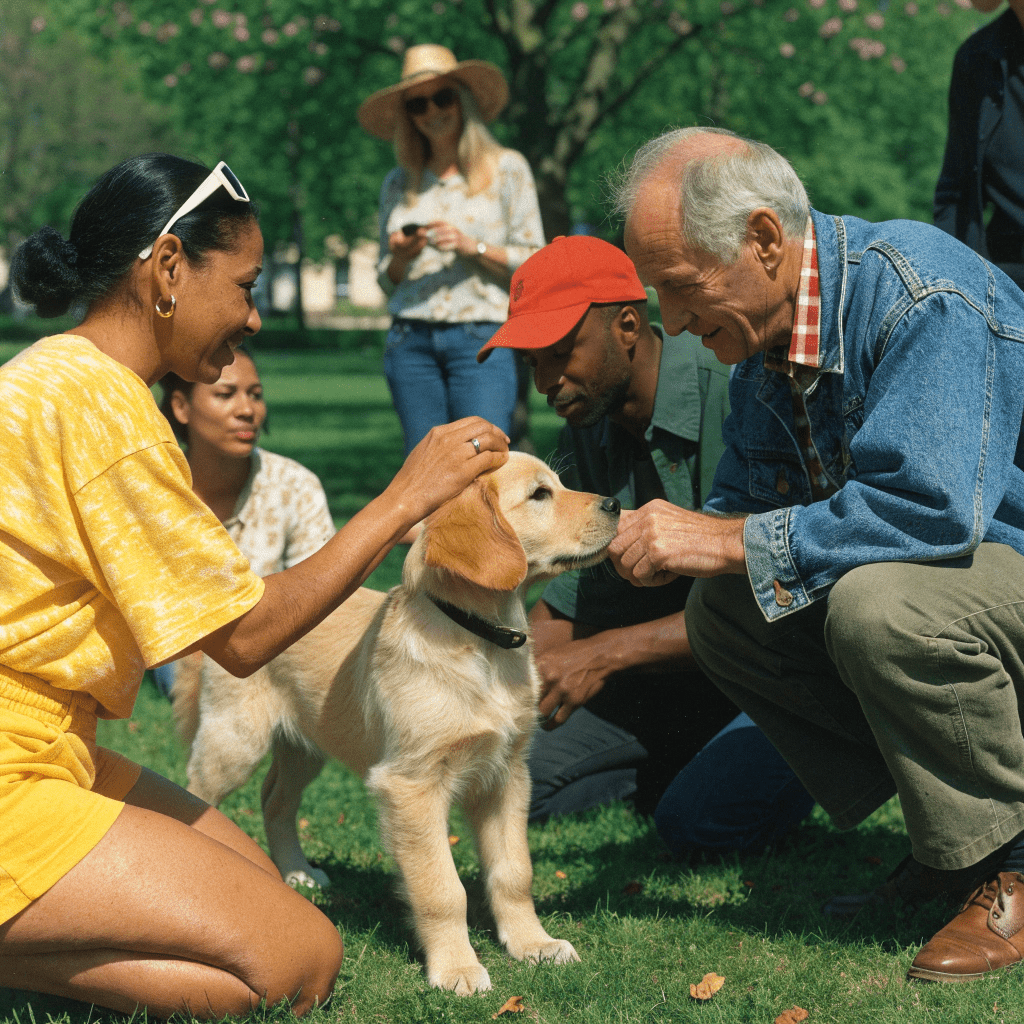
- People Exposure Checklist: Who Should Your Puppy Meet?
- Environment Exposure: Creating Your Exposure Map
- Handling & Grooming Socialization: Building Body Confidence
- Play & Peer Interaction Guidelines: Socialization Through Play
- Common Socialization Mistakes to Avoid
- Mistake #1: Forcing Interactions
- Mistake #2: Only Socializing With "Dog People"
- Mistake #3: Skipping Early Vet Visits
- Mistake #4: Over-Socializing in High-Risk Environments
- Mistake #5: Stopping Socialization After Week 16
- Mistake #6: Missing Gender or Demographic Diversity
- Mistake #7: Mixing Positive and Negative Associations
- Creating Your Personal Puppy Socialization Plan
- Frequently Asked Questions About Puppy Socialization
- Conclusion: Your Puppy's Future Starts Now
Got a new puppy? The first 16 weeks are absolutely critical—this is your golden window to shape a confident, well-adjusted adult dog. A proper puppy socialization checklist ensures your pup meets people, environments, and experiences that prevent fear and aggression later. Follow our complete week-by-week guide to nail this critical developmental stage and set your puppy up for lifelong success.
Introduction
Bringing home a puppy is exciting, but many first-time dog owners don't realize how crucial the next few months are. You've got a narrow window—roughly 16 weeks—to expose your puppy to the world in a structured, positive way. Miss this window, and you could end up with an anxious, fearful, or reactive adult dog down the road.
Here's the thing: socialization isn't just about playdates. It's about systematically introducing your puppy to people, environments, sounds, textures, and experiences in a way that builds confidence, not fear. This complete puppy socialization checklist breaks down exactly what your puppy needs to experience, week by week, to become a socially balanced adult dog.
Whether you're a first-time dog owner or adding to your pack, this guide walks you through everything you need to know to create a world-class socialization plan. Ready to set your puppy up for success? Let's dive in.
Learn more about puppy training fundamentals
Socialization isn't just a nice-to-have—it's one of the most important investments you'll make in your puppy's mental health and behavior. Here's why it matters so much.
When you socialize a puppy properly, you're essentially training their brain to recognize new people, animals, and environments as normal and safe. Puppies are born with a natural curiosity, but without guidance, that curiosity can flip into fear.
Studies show that puppies who receive inadequate socialization are significantly more likely to develop behavior problems like reactivity, aggression, and anxiety. A well-socialized puppy, on the other hand, grows into an adult dog that:
- Remains calm in unfamiliar situations
- Greets strangers without excessive fear or aggression
- Handles loud noises, traffic, and crowds with confidence
- Plays appropriately with other dogs
- Adapts quickly to change
Dogs who miss the critical socialization window often develop what behaviorists call "neophobia"—an irrational fear of anything new. These dogs may bark excessively at the mailman, panic during thunderstorms, or become dangerously reactive around other dogs. Unfortunately, once a dog passes the critical socialization period, it becomes exponentially harder (and sometimes impossible) to undo these ingrained fears.
The good news? You're here now, and you're thinking ahead. That's exactly the mindset needed to raise a well-adjusted puppy.
Not all weeks are created equal during puppyhood. There's a specific developmental window where your puppy's brain is most receptive to new experiences.
Understanding the 3-to-16-Week Window
The critical socialization period for puppies runs roughly from 3 weeks to 16 weeks of age. During this time, your puppy's brain is like a sponge—experiences during this period have a disproportionate impact on adult behavior.
Here's the timeline breakdown:
Weeks 3-5: Your puppy is still with the breeder (in most cases), but early handling by humans during this period sets the tone for socialization. If possible, ask your breeder about their socialization practices.
Weeks 6-12: This is when most puppies come home, and it's the most critical socialization window. Your puppy is old enough to explore but still young enough that new experiences feel normal rather than threatening.
Weeks 12-16: The window is starting to close, but socialization remains important. Puppies are becoming more independent and discerning—new experiences may register as slightly more "novel" than they would have at 8 weeks.
After 16 weeks: Socialization doesn't stop, but it becomes significantly harder to overcome any fears or negative associations formed earlier. This is why the first 16 weeks are so critical.
Why This Window Exists
During the critical period, puppies have minimal fear responses. As they grow older, their survival instincts kick in, and they become more cautious of unfamiliar stimuli. This is actually adaptive—but it also means that exposures happening after 16 weeks are less likely to feel "normal" to your puppy.
Let's get specific. Here's exactly what your puppy should experience during each phase of the critical socialization window.
Weeks 6-8: Foundation Building
Your puppy just came home. They're small, vulnerable-feeling, and everything is new. Your job is to make safe exposures feel rewarding.
People Exposure:
- Introduce your immediate family members individually
- Have 2-3 friends visit (one at a time, low-key visits)
- Expose puppy to a variety of hand sizes (small children, large adults)
- Let people hand-feed treats to build positive associations
Environment Exposure:
- Brief car rides (5-10 minutes) to normalize vehicles
- Visits to quiet outdoor spaces (backyard, quiet park)
- Introduction to household sounds at normal volume (vacuum, dishwasher, TV)
- Different flooring textures (tile, carpet, grass, concrete)
Handling & Grooming:
- Start basic grooming (brushing, nail trimming) in short sessions
- Handle paws, ears, and mouth regularly during play
- Practice gentle restraint to normalize being held
Avoid:
- Large group gatherings (too overwhelming)
- Unvaccinated dog parks (disease risk)
- Stressful experiences (loud construction, chaotic environments)
Weeks 9-12: Expanding the World
Your puppy is more confident now. This is when you can ramp up exposure frequency and introduce more complex scenarios.
People Exposure:
- Expand friend visits to include different demographics (various ages, ethnicities, body types)
- Visit a outdoor market or friendly neighborhood (on leash, controlled environment)
- Arrange playdate with a calm, vaccinated adult dog
- Introduce men specifically (many dogs develop male-specific anxiety if exposed only to women early on)
Environment Exposure:
- Longer car rides (20-30 minutes)
- Parking lot visits (expose to cars, sounds, different surfaces)
- Pet-friendly cafes or outdoor shopping areas (controlled exposure to crowds)
- Introduction to stairs, ramps, and other novel surfaces
- Expose to water (kiddie pool, sprinkler, bath)
Sounds Exposure:
- Begin controlled exposure to louder sounds (vacuum at higher volume, blender, doorbell)
- Thunderstorm sound apps at low volume during playtime
- Fireworks sounds at very low volume mixed with treats (desensitization)
Peer Interaction:
- Supervised playdates with vaccinated puppies or calm adult dogs (2-3x per week if possible)
- Observe play behavior and interrupt if it becomes too rough
Weeks 13-16: Consolidation & Complexity
You're in the homestretch of the critical period. Now it's about variety and increasing stimulus complexity.
People Exposure:
- Visit environments with more people (pet stores, outdoor events, friend gatherings)
- Ensure continued exposure to diverse groups
- Practice basic obedience around distractions (people saying hello, kids playing)
Environment Exposure:
- Take puppy to busier areas (farmers market, beach, hiking trails—always on leash)
- Introduce playground equipment (climbing, ramps, balance beams—adapted for puppy size)
- Visit veterinary clinic for non-medical visit (just to see, treat, and leave—builds positive vet association)
- Exposure to multiple different vehicles (car, truck, bus windows from safe distance)
Sounds & Stimulation:
- Gradually increase volume of sound exposure
- Introduce unexpected sounds (pots and pans, dropped objects—in controlled way)
- Fireworks and thunderstorm sounds at higher volume during positive activities
Independence Building:
- Practice leaving puppy for short periods in different locations
- Introduce crate as positive space
- Begin practicing separation for brief periods
People Exposure Checklist: Who Should Your Puppy Meet?
Meeting people isn't just about quantity—it's about variety. Here's a breakdown of the different demographic groups your puppy should be exposed to:
| Demographic | Examples | Recommended Exposure |
|---|---|---|
| Age Range | Infants, toddlers, kids 5-10, teens, adults, seniors | Min. 1 interaction per age group during weeks 6-16 |
| Gender | Men and women | At least 2-3 interactions per gender |
| Body Size | Petite adults, average adults, large/tall adults | At least 1 interaction per category |
| Appearance Variation | Beards, glasses, hats, uniforms, cultural dress | Expose to as much variety as possible |
| Ability Variation | People using wheelchairs, canes, walkers | At least 1-2 interactions if possible |
| Vocalization Patterns | Quiet people, people who talk loudly | Mix of both |
Pro Tip: The variation in people exposure is what prevents breed-specific or demographic-specific fear. A puppy exposed only to quiet people may later develop anxiety around loud, enthusiastic people. A puppy with no experience around children may become fearful of kids.
Check out our guide to puppy training around distractions
Environment Exposure: Creating Your Exposure Map
Socialization isn't just about who your puppy meets—it's about where they go. Here are the key environments and scenarios every puppy should experience:
Indoor Environments
- Home: Multiple rooms, different lighting, various heights and spaces
- Friend's/family's homes: Expose puppy to homes that look and feel different from yours
- Pet stores: Controlled environment with dog-friendly energy (check if puppy is allowed)
- Vet clinic: Schedule a "meet and greet" visit just to get treats and leave positive
- Dog training facilities: Many trainers allow young puppies to visit (not in classes yet, just exposure)
Outdoor Environments
- Parks: Start with quiet parks, progress to busier ones
- Beaches: Sand, water, salt air, crowds (if allowed)
- Urban environments: City noise, traffic, crowds, construction sounds
- Hiking trails: Natural obstacles, different terrain, wildlife sounds
- Bridges and overpasses: Scary for some dogs—controlled exposure helps
- Parking lots: Cars moving, honking, engine sounds
Sensory-Specific Exposures
- Water: Kiddie pool, sprinkler, shallow creek (positive introduction, not forced)
- Weather: Rain, wind, snow (age-appropriate exposure)
- Surfaces: Gravel, sand, metal, wood, slippery floors, grass
- Height variations: Low obstacles (for jumping), elevated platforms (not too high)
A critical component of socialization that many owners overlook is getting puppies comfortable with being handled and groomed. This prevents future anxiety at the vet, groomer, or during medical procedures.
Daily Handling Practice (5-10 Minutes)
During play or calm moments, gently:
- Hold and examine each paw for 15-20 seconds
- Open the mouth gently and look at teeth/gums
- Examine ears (don't stick fingers inside, just look)
- Touch the tail and practice gentle tail manipulation
- Check the belly and practice gentle restraint
- Brush different body areas with your hand or soft brush
Grooming Tool Introduction
- Let puppy sniff clippers, dryer, and grooming tools before using
- Practice running brush over body (gentle, positive)
- Introduce nail clippers by clicking them (not on puppy) and rewarding
- Consider a "practice" grooming session at a groomer (just handling, not full groom) around week 12-14
Vet Handling Practice
- Have vet staff do "happy visits" (no needles, just handling and treats)
- Practice being restrained gently for short periods
- Reward calm behavior during handling
Dogs learn social skills primarily through play with other dogs. Here's how to facilitate positive peer socialization:
Puppy Playdate Selection
- Prioritize calm adult dogs (not puppies) for the first few dates—they're better teachers
- Choose vaccinated dogs only (disease prevention)
- Select dogs with known gentle temperaments (avoid rough or aggressive dogs)
- Avoid overcrowding (2-3 dogs max, not big groups)
Reading Puppy Play Behavior
Healthy play signs:
- Play bows (front end down, rear up)
- Taking turns chasing and being chased
- Play biting with open mouth (not closed jaw)
- Regular breaks and disengagement
- Tail wagging and relaxed body
Red flags to intervene:
- One dog consistently pinned down or unable to escape
- Closed-mouth biting or growling
- Ears pinned back, tail tucked
- Yelping or obvious distress
- Jumping/mounting that doesn't include play
How Often Should Puppies Play?
- Weeks 6-8: 2-3 brief playdates per week (15-20 minutes each)
- Weeks 9-12: 3-4 playdates per week (20-30 minutes each)
- Weeks 13-16: 3-4 playdates per week (30+ minutes each, or regular dog park visits)
Even well-intentioned owners make socialization mistakes that can undermine the process. Here are the biggest pitfalls:
Mistake #1: Forcing Interactions
Some owners push fearful puppies into situations they're not ready for. This backfires. If your puppy shows fear, respect it—slow down, create distance, and build positive associations gradually. Forcing interaction = creating negative associations.
Your puppy needs to meet regular people living regular lives. Exposure to diverse groups in everyday settings (groceries, parks, sidewalks) is essential.
Mistake #3: Skipping Early Vet Visits
Schedule vet visits for weighing and treat-giving even when no medical procedures are needed. Many dogs develop vet anxiety because their first vet visit involved needles. Start positive.
Unvaccinated dog parks, pet stores (disease vector), and places with unknown vaccination status are risky. Protect your puppy's health while socializing in safe environments.
The critical period ends, but socialization doesn't. Continue exposing your dog to new people and environments throughout their first year. It's never too late to prevent problems, but it's harder.
Mistake #6: Missing Gender or Demographic Diversity
Puppies exposed primarily to women may develop anxiety around men. Puppies with no exposure to children may fear kids. The variation matters.
Mistake #7: Mixing Positive and Negative Associations
Never allow socialization to coincide with scary experiences. For example, don't visit a busy park the same day your puppy gets vaccinated and feels unwell. Separate positive social experiences from potentially stressful ones.
Theory is great, but execution is where results happen. Here's how to create a customized socialization plan based on your specific situation and goals.
Step 1: Assess Your Current Situation
- What's your puppy's current age?
- What has your puppy already been exposed to?
- What are your lifestyle constraints (work schedule, transportation, budget)?
- What is your goal for your adult dog's lifestyle? (urban dog, hiking companion, therapy dog, family pet?)
If your puppy has already passed certain age windows, identify what exposures they've missed. (You can still catch up, but it requires more intentional effort.)
Step 3: Build a Weekly Exposure Calendar
For the next 8-12 weeks, plan:
- Weekly people exposure: Who will puppy meet this week?
- Weekly environment exposure: Where will puppy go?
- Weekly peer interaction: When are playdates scheduled?
- Weekly sounds/handling: What grooming or sound desensitization will you practice?
Step 4: Track Progress
Use a simple checklist or app to track exposures. This keeps you accountable and ensures you don't miss critical exposures.
Step 5: Adjust Based on Puppy Response
If your puppy shows fear or anxiety in any situation, adjust your approach. Slow down, create distance, add positive associations (treats, play, praise). Socialization is a marathon, not a sprint.
Start socialization as early as possible—ideally from 3-4 weeks of age if your puppy is still with the breeder. Once your puppy comes home (usually 6-8 weeks), begin immediately with controlled, positive exposures. The critical socialization window peaks at 6-12 weeks, so every week counts. Don't wait for full vaccination; controlled exposures in low-risk environments are more important than waiting for perfect immunity. (Consult your vet about a vaccination schedule that balances protection with socialization timing.)
Proper socialization follows three key principles: (1) Variety: Expose your puppy to diverse people, places, animals, and experiences. (2) Positivity: Pair exposures with treats, play, and praise so new experiences feel rewarding, not scary. (3) Respect: Never force interactions. If your puppy shows fear, step back and create distance. The goal is confidence, not compliance. Gradual, positive exposure across multiple domains (people, environments, sounds, handling) builds adult dogs that remain calm and adaptable.
Fear during socialization is common and usually manageable. If your puppy shows fear (hiding, trembling, frozen posture), do not push. Instead, create distance until your puppy is calm, then gradually move closer over multiple sessions. Pair the scary stimulus with high-value treats or play. Work at your puppy's pace, not the stimulus's. If fear persists or escalates, consult a certified professional trainer or veterinary behaviorist. Early intervention prevents fear from hardening into phobias.
The critical socialization period lasts until about 16 weeks, but socialization is an ongoing process throughout the first year (and arguably, throughout the dog's life). During weeks 6-16, plan on 2-4 exposures per week to different people, places, and experiences. After 16 weeks, you can reduce frequency but should continue exposing your dog to novel experiences regularly. A fully socialized adult dog is the product of consistent, varied exposure during puppyhood and continued novelty throughout their life.
Under-socialized dogs often develop fear-based behaviors including reactivity, aggression, excessive barking, destructive behavior, and anxiety. These dogs may be afraid of specific groups (children, men, certain ethnicities), specific environments (cars, vet clinics, crowds), or certain sounds (thunder, fireworks). Some dogs develop generalized anxiety affecting quality of life. In severe cases, fearful dogs become danger risks if they bite out of fear. Poor socialization also limits the dog's lifestyle—many can't travel, visit public spaces, or interact with guests comfortably.
Yes, but it's harder. Adult dogs can absolutely learn to be more comfortable around new people and places through gradual, positive exposure. However, dogs that missed the critical 6-16 week window often retain an inherent "caution response" to novelty. Their brain developed without the neural pathways that early exposure creates. A well-trained adult dog can learn to behave calmly despite anxiety, but the underlying anxiety may never fully disappear. This is why early socialization is so valuable—it's prevention, not just behavior management.
Conclusion: Your Puppy's Future Starts Now
The first 16 weeks of your puppy's life are genuinely transformative. The exposures, interactions, and experiences your puppy has during this window quite literally shape the adult dog they'll become.
Here's what you now understand: socialization isn't optional or a "nice extra"—it's foundational. A well-socialized puppy grows into an adult dog capable of handling life's inevitable changes and challenges with calm, confidence. They're better travelers, more adaptable to new situations, and far less likely to develop anxiety or aggression-based behavior problems.
The work you put in now pays dividends for the next 10-15 years. Every playdate, every new environment, every varied person your puppy meets is an investment in their behavioral health and your family's quality of life.
Start today. Create that socialization plan. Schedule those exposures. Introduce your puppy to the world intentionally and positively. Your future adult dog will thank you.
Need more guidance on specific training challenges? Explore our complete puppy training resource center for step-by-step tutorials and problem-solving strategies.