
Can Dogs Have Jelly? Sugar, Gelatin and the Xylitol Danger
- 1. WHAT IS JELLY AND HOW IS IT MADE?
- 2. THE XYLITOL CRISIS: THE SWEETENER THAT KILLS DOGS
- 3. SUGAR CONTENT IN JELLY: THE DIABETES ACCELERANT
- 4. ARTIFICIAL SWEETENERS BEYOND XYLITOL: OTHER DANGERS
- 5. GELATIN MYTHS: IS THERE ANY BENEFIT?
- 6. WHICH DOGS ARE AT HIGHEST RISK?
- 7. SIGNS OF XYLITOL POISONING: RECOGNIZING THE EMERGENCY
- 8. TREATMENT PROTOCOL: WHAT HAPPENS AT THE VET
- 9. WHAT JELLY PRODUCTS CONTAIN XYLITOL?
- 10. SAFE ALTERNATIVES TO JELLY FOR DOGS
- FREQUENTLY ASKED QUESTIONS
- Q1: I gave my dog a tiny taste of jelly. Is he going to die?
- Q2: My dog ate jelly 2 hours ago and seems fine. Do I still need to go to the vet?
- Q3: Is homemade jelly made with honey safer than store-bought?
- Q4: Can dogs have gelatin capsules (like supplements in gelatin capsules)?
- Q5: What about jello for treating dehydration or recovering from GI upset?
- Q6: Is there any amount of jelly that's safe for dogs?
- CONCLUSION
Can dogs have jelly? It depends entirely on the ingredients, and that's where most dog owners get it wrong. Plain, sugar-free gelatin with no additives is technically safe—but most commercial jellies contain excessive sugar, artificial sweeteners (including potentially deadly xylitol), and ingredients that pose serious health risks. The bottom line: Avoid jelly entirely. The minimal gelatin benefit doesn't justify the xylitol risk and added sugars. If your dog accidentally ate jelly, watch closely for xylitol toxicity symptoms—this is a genuine emergency that requires immediate veterinary attention.
Your dog watches you spread jelly on toast, and suddenly they're very interested in your breakfast. The question seems innocent enough: Can my dog have a little jelly? But this question hides a serious danger that injures and kills dogs every year—one that most dog owners don't fully understand.
Here's the thing: jelly itself isn't the problem. Plain gelatin is harmless. The danger lies in what manufacturers add to jelly, particularly xylitol, an artificial sweetener that's toxic to dogs at shockingly small doses. A single teaspoon of xylitol-containing jelly can trigger severe hypoglycemia (dangerously low blood sugar) in a small dog. We're talking potential seizures, liver damage, and death. Here's why this matters: xylitol looks and tastes like regular sugar, so dog owners have no way to tell the difference without reading every ingredient label carefully.
This guide pulls back the curtain on what's actually in commercial jelly, explains the xylitol danger in detail, covers which dogs are at highest risk, and walks you through what to do if your dog eats jelly. By the end, you'll understand exactly why jelly belongs in the "absolutely not" category for dog treats, and you'll recognize xylitol in other products where it lurks hidden. Here's what you'll learn: xylitol toxicity specifics, sugar dangers for dogs, artificial sweetener risks, safe gelatin alternatives, and emergency response protocols.
1. WHAT IS JELLY AND HOW IS IT MADE?
Jelly is a colloidal suspension created by mixing gelatin, sugar, water, and flavorings, then chilling the mixture until it sets. Understanding what goes into jelly is the first step to understanding why it's problematic for dogs.
Gelatin is the structural component—a protein derived from collagen, usually sourced from animal bones and connective tissue (often from pigs or cows). Gelatin itself is harmless to dogs and is sometimes used in veterinary supplements. The gelatin isn't the issue.
Sugar is where problems begin. Standard jelly contains roughly 17 grams of sugar per 100 grams of product—meaning a small serving is essentially pure sugar. Dogs don't need dietary sugar. Their bodies produce glucose from other carbohydrates and protein, so added sugar serves no nutritional purpose. Worse, it feeds harmful oral bacteria, contributes to obesity, destabilizes blood sugar, and increases inflammation.
Artificial Sweeteners are the real villain. Manufacturers use these to create "sugar-free" jelly products marketed as "healthier" alternatives. Common sweeteners include sorbitol, aspartame, and xylitol. Of these, xylitol is catastrophically toxic to dogs—more dangerous than chocolate, grapes, or onions on a per-gram basis.
Flavorings and Colorings round out the ingredient list. Artificial colors like Red No. 40, Yellow No. 5, and Blue No. 1 have been linked to behavioral issues and allergic reactions in dogs. Some jellies contain natural flavorings derived from problematic ingredients (like grape or fruit flavoring that might concentrate compounds toxic to dogs).
Additives like citric acid, sodium benzoate, and pectin complete the formulation. While individually considered "safe" by regulatory agencies, the cumulative effect of these additives stresses the digestive system and can trigger sensitivities in susceptible dogs.
The bottom line: commercial jelly is basically a delivery system for sugar or xylitol, neither of which dogs should consume. Even "healthier" versions marketed for weight management contain artificial sweeteners that introduce different—and potentially more serious—risks.
2. THE XYLITOL CRISIS: THE SWEETENER THAT KILLS DOGS
If you take one thing away from this article, let it be this: xylitol is one of the most dangerous substances a dog can ingest. It's more toxic than chocolate, more deadly than grapes, and more problematic than medications overdosed by accident. Yet most dog owners have never heard of it.
What is Xylitol?
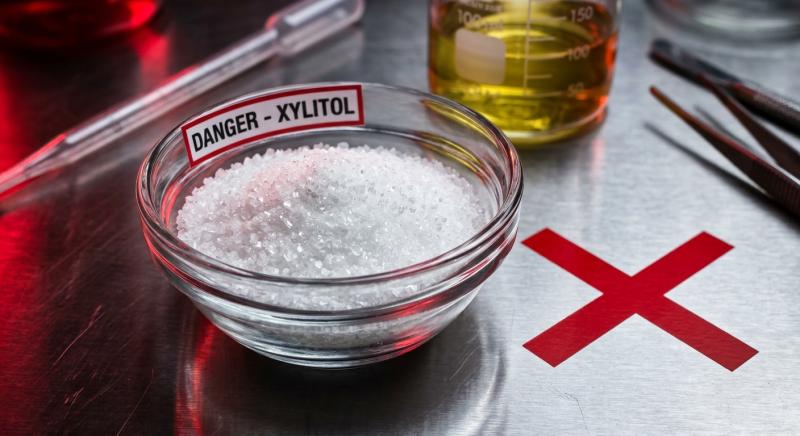
Xylitol is a five-carbon sugar alcohol extracted from birch wood or corn cobs. It looks identical to regular sugar, tastes almost identical, and has similar texture. But at the cellular level, it's processed entirely differently in canine metabolism—with catastrophic consequences.
How Xylitol Damages Dogs:
When a dog ingests xylitol, their pancreas mistakes it for glucose (regular sugar). The pancreas floods the bloodstream with insulin, preparing to process what it thinks is a sugar surge. But xylitol doesn't raise blood glucose. Instead, the insulin drives existing blood glucose into cells faster than it can be replenished. Within 15-30 minutes, the dog experiences profound hypoglycemia—blood sugar crashes so low that the brain literally doesn't have sufficient glucose to function.
The signs are terrifying: tremors, seizures, loss of consciousness, and potentially coma. Dogs that survive the initial hypoglycemic crash face secondary damage. Xylitol is hepatotoxic—it damages liver cells directly. Even if hypoglycemia is treated, liver failure develops within 24-72 hours, causing eventual death from organ failure.
The Dose That Kills:
Here's where it gets worse. Xylitol toxicity operates on a razor's edge. As little as 0.1 grams per kilogram of body weight causes hypoglycemia. A five-pound (2.3 kg) dog only needs to ingest 0.23 grams of xylitol to experience severe hypoglycemia. That's roughly equivalent to a single tablespoon of xylitol-sweetened jelly. Smaller dogs are at catastrophic risk from tiny exposures.
For context: a dog weighing 10 pounds needs only 0.45 grams to reach toxic levels. A dog weighing 50 pounds needs 2.3 grams. But here's the problem—most dog owners have no way to know if their jelly contains xylitol or how much is in a serving without meticulous label reading. Many labels don't even list xylitol prominently (sometimes it's hidden in ingredient lists under "sugar alcohols" or combined with other sweeteners).
Xylitol in Commercial Jelly:
Not all jellies contain xylitol—but increasingly, they do. Any jelly marketed as "sugar-free," "reduced sugar," "keto-friendly," or "diabetic-friendly" is a xylitol candidate. Major brands like Jell-O, store-brand sugar-free jellies, and premium health-focused jelly products frequently use xylitol. The problem is that dogs have access to human food in households, and owners often don't realize which foods contain xylitol.
Survival Rates:
Dogs that receive immediate veterinary treatment have roughly a 50% survival rate if treated within 6 hours of ingestion. Survival rates drop significantly if treatment is delayed. Dogs that aren't treated or receive treatment after 12 hours face extremely poor outcomes. This isn't a "wait and see" situation—xylitol ingestion is a genuine veterinary emergency requiring immediate action.
3. SUGAR CONTENT IN JELLY: THE DIABETES ACCELERANT
Beyond xylitol, the sugar in regular jelly poses serious health threats to dogs.
Caloric Excess: A typical serving of jelly (100 grams) contains approximately 80-90 calories, almost all from sugar. For a 10-pound dog requiring roughly 300-400 calories daily, a single serving of jelly represents 20-30% of their daily caloric intake. Regular jelly consumption contributes to obesity—a condition affecting roughly 56% of U.S. dogs and linked to diabetes, joint disease, heart problems, and shortened lifespan.
Blood Sugar Instability: Unlike complex carbohydrates that provide steady glucose over time, jelly's simple sugars cause rapid blood glucose spikes followed by crashes. These blood sugar rollercoasters stress the pancreas, increase inflammation, and over time contribute to insulin resistance—the precursor to diabetes.
Dental Damage: Sugar feeds oral bacteria that produce acid, eroding tooth enamel and causing cavities and gum disease. Dogs already prone to periodontal disease experience accelerated deterioration with dietary sugar. The damage is irreversible and painful.
Inflammation: Refined sugars trigger inflammatory cascades throughout the body. For dogs with arthritis, allergies, or inflammatory conditions, sugar accelerates disease progression. This inflammation underlies many chronic diseases that shorten dogs' lives.
Behavioral Changes: Some dogs demonstrate behavioral changes (hyperactivity, anxiety, inability to focus) after consuming sugar. While less researched in dogs than humans, the phenomenon is real enough that many trainers recommend eliminating dietary sugar for dogs with behavioral challenges.
Addiction Dynamics: Sugar stimulates dopamine release—the "reward" neurotransmitter. Dogs fed sugar-containing treats develop behavioral preference for sugar-rich foods, making them persistently beg for jelly and other human foods. This reinforces poor feeding habits and makes weight management harder.
The cumulative effect: regular jelly consumption contributes to obesity, diabetes, dental disease, and chronic inflammation—all leading causes of premature death and decreased quality of life in dogs.
4. ARTIFICIAL SWEETENERS BEYOND XYLITOL: OTHER DANGERS
While xylitol is the primary concern, other artificial sweeteners in jelly present their own risks.
Sorbitol: Often used in sugar-free jelly, sorbitol is poorly absorbed in the canine digestive tract. When sorbitol reaches the colon, it ferments, producing gas and osmotic diarrhea. Dogs consuming sorbitol-sweetened jelly frequently experience loose stools, bloating, and digestive distress within hours. Chronic sorbitol consumption can damage gut integrity and reduce nutrient absorption.
Aspartame: This artificial sweetener breaks down into aspartic acid and phenylalanine—both amino acids that cross the blood-brain barrier. While generally considered safe at regulatory levels, chronic aspartame exposure has been linked to neurological concerns in sensitive individuals (both human and canine). Dogs with seizure disorders should avoid aspartame entirely.
Maltitol: Another sugar alcohol commonly used in "sugar-free" products, maltitol causes GI distress similar to sorbitol—diarrhea, gas, and bloating. Additionally, maltitol has a higher glycemic index than regular sugar, meaning it actually raises blood glucose faster than standard jelly. This defeats the "healthier" marketing claim.
Acesulfame-K: This sweetener appears in many sugar-free jelly products. Studies on animals suggest potential carcinogenic effects, though evidence is mixed and regulatory agencies consider it safe. However, absence of evidence isn't evidence of absence—chronic exposure to a potentially carcinogenic substance doesn't appeal to most conscious dog owners.
Stevia and Monk Fruit: These natural sweeteners are genuinely safer than synthetic alternatives, but they're still unnecessary for dogs. Moreover, products using these sweeteners often include other problematic ingredients (artificial colors, additives) that negate their safety advantage.
The pattern is clear: no artificial sweetener is ideal for dogs. Each introduces potential risks that outweigh any benefit from avoiding sugar.
5. GELATIN MYTHS: IS THERE ANY BENEFIT?
Many owners wonder whether jelly's gelatin content provides joint or digestive benefits (since gelatin is sometimes marketed as supporting joint health). Let's separate fact from marketing.
What Gelatin Actually Is:
Gelatin is a protein derived from collagen. It contains primarily glycine and proline—amino acids that theoretically support connective tissue. Some research suggests gelatin supplementation might modestly support joint health and collagen synthesis.
The Reality for Dogs:
While gelatin isn't harmful, its actual benefit for dogs is minimal compared to the risks accompanying jelly. First, jelly's gelatin content is low—a typical serving contains only 1-2 grams of gelatin protein, insufficient to meaningfully impact joint health. Second, the presence of sugar or xylitol completely negates any potential benefit. Third, dogs obtain collagen precursors from quality meat protein in their regular diet, making supplemental gelatin unnecessary.
If gelatin supplementation were genuinely beneficial for your dog, you'd want it in isolation—pure collagen powder or bone broth—not mixed with sugar or xylitol. You'd want therapeutic doses, not the trace amounts in jelly. The gelatin isn't the problem in jelly; it's the innocent bystander caught in a problematic delivery system.
Unflavored Gelatin Consideration:
Plain, unflavored gelatin (like Knox brand) contains only gelatin—no sugar, no sweeteners, no additives. In theory, plain gelatin is safe for dogs. However, it's flavorless and unappealing, so dogs rarely consume it voluntarily. More importantly, there's no compelling reason to feed it. Your dog's regular food provides adequate protein. If joint support is genuinely needed, veterinary-formulated supplements are more appropriate than DIY gelatin supplementation.
The bottom line: gelatin's theoretical benefits don't justify the risks associated with getting it from jelly.
6. WHICH DOGS ARE AT HIGHEST RISK?
While xylitol toxicity affects all dogs, certain populations face especially severe consequences.
Small Breeds (Under 10 Pounds): Toy breeds, Chihuahuas, Yorkshire Terriers, and other small dogs experience disproportionate effects from xylitol. Because their body weight is minimal, the dose-to-weight ratio dramatically increases toxicity. An amount of jelly that might cause illness in a 50-pound Labrador can be instantly fatal to a 3-pound Chihuahua.
Puppies: Young dogs have immature livers and kidneys—organs crucial for processing and eliminating toxins. Xylitol damage is more severe in puppies because their detoxification systems aren't fully developed. Additionally, puppies are more likely to eat anything they find, increasing accidental exposure risk.
Senior Dogs (7+ Years): Aging dogs have declining organ function. A senior dog's liver and kidneys are less efficient at clearing xylitol, prolonging exposure and increasing damage. Senior dogs also frequently have underlying health conditions (diabetes, kidney disease, liver disease) that xylitol ingestion can exacerbate catastrophically.
Dogs with Diabetes: If your dog has diabetes (or pre-diabetes), any blood sugar disruption is dangerous. Xylitol's extreme hypoglycemic effect can trigger diabetic emergencies. Dogs already managing glucose levels don't need the added risk.
Dogs with Liver Disease: Xylitol's hepatotoxic effects are amplified in dogs with pre-existing liver compromise. A dog with fatty liver, liver inflammation, or cirrhosis faces accelerated liver failure if exposed to xylitol.
Dogs with Kidney Disease: Xylitol is primarily eliminated through the kidneys. Dogs with kidney disease can't effectively clear xylitol, leading to accumulation and prolonged toxicity. Even small exposures become dangerous. Learn more about supporting dogs with kidney challenges through proper dog food for sensitive stomachs.
Greedy/Scavenger Dogs: Dogs that consume food without hesitation (Labradors, Beagles, and many rescue dogs) are at risk simply because they're more likely to eat jelly they find. These dogs need extra vigilance and secured storage of all human foods.
7. SIGNS OF XYLITOL POISONING: RECOGNIZING THE EMERGENCY
Xylitol toxicity unfolds rapidly. Knowing the symptoms and acting immediately can mean the difference between life and death.
Initial Symptoms (15-30 minutes after ingestion):
- Vomiting or retching
- Extreme lethargy or listlessness
- Loss of coordination (ataxia) or wobbly gait
- Trembling or muscle tremors
- Confusion or disorientation
- Rapid heartbeat
Acute Crisis Symptoms (30 minutes to several hours):
- Seizures or convulsions
- Loss of consciousness or collapse
- Severe muscle weakness (inability to stand)
- Difficulty breathing
- Unresponsiveness to stimuli
- Bloody diarrhea or vomiting
Secondary Symptoms (12-72 hours):
- Yellowish discoloration of gums, eyes, or skin (jaundice—sign of liver failure)
- Severe lethargy
- Bleeding (nosebleeds, bleeding gums, blood in urine)
- Abdominal pain
- Extreme thirst followed by reduced urination
- Death (if untreated)
Critical Action: If your dog shows ANY of these symptoms after jelly ingestion, go to an emergency veterinary clinic immediately—do not wait. Xylitol toxicity is time-sensitive. Treatment within 6 hours offers the best outcomes. Every minute delays treatment, survival chances decline.
What NOT to Do:
- Don't "wait to see if symptoms develop"—assume ingestion is serious
- Don't induce vomiting yourself without veterinary guidance
- Don't delay seeking emergency care because symptoms seem mild
- Don't assume your dog is fine because they act normal initially—symptoms can be deceptively subtle at first
8. TREATMENT PROTOCOL: WHAT HAPPENS AT THE VET
Understanding emergency xylitol treatment helps you communicate effectively with your veterinarian and understand what to expect.
Initial Assessment:
Your vet will ask approximately when your dog ate jelly, how much they estimate was consumed, and which brand (so they can verify xylitol presence and concentration). This information determines treatment urgency and intensity.
Bloodwork:
Blood glucose testing is immediate priority. If blood glucose is already dangerously low (below 70 mg/dL, severe below 40 mg/dL), IV glucose administration begins immediately. Liver function tests (ALT, AST, bilirubin) establish baseline liver status, which is crucial for predicting secondary liver damage.
IV Fluids and Glucose:
Dogs with hypoglycemia receive IV dextrose (glucose) to raise blood sugar immediately. Fluids are administered to support kidney function and help flush xylitol from the body. Many dogs receive potassium supplementation because xylitol toxicity depletes potassium—a dangerous electrolyte imbalance.
Liver Protective Medications:
If xylitol ingestion is confirmed, your vet may prescribe N-acetylcysteine (NAC), a liver protectant that increases glutathione production (the body's primary antioxidant defense). NAC is most effective when given early.
Monitoring:
Dogs are monitored closely for at least 6-12 hours, often longer. Blood glucose is rechecked repeatedly to ensure it remains stable. Many dogs require hospitalization for 24-72 hours for continuous monitoring and supportive care.
Cost Implications:
Emergency xylitol treatment is expensive—typically ranging from $1,500 to $5,000+ depending on hospitalization length, monitoring requirements, and complications. This is another compelling reason to prevent exposure entirely.
9. WHAT JELLY PRODUCTS CONTAIN XYLITOL?
Not all jellies contain xylitol, but identifying which ones do requires careful label reading.
High-Risk Products (Most Likely Xylitol):
- Sugar-free Jell-O (multiple flavors)
- Store-brand "sugar-free" jellies
- "Keto-friendly" jelly products
- Reduced-sugar jam and jelly spreads
- "Diabetic-friendly" jelly products
- Premium "health-focused" jellies marketed for weight management
Xylitol-Free but Still Problematic (High Sugar):
- Standard Jell-O (all flavors)
- Store-brand regular jellies
- Fruit preserves and jams
- "Natural" jellies (still contain sugar unless specifically labeled sugar-free)
Actually Safe (But Unnecessary):
- Plain unflavored gelatin (Knox brand, no additives)
- Pure bone broth (gelatin source without jelly processing)
- Veterinary-formulated collagen supplements
The Label-Reading Challenge:
The problem is that xylitol isn't always listed prominently. Sometimes it's grouped under "sugar alcohols" or combined with other sweeteners in unclear language. Some products list "sugar free" but don't specify the sweetening agent until you read the full ingredient list. Manufacturers are technically compliant with labeling laws while making it deliberately difficult for consumers to identify xylitol.
Safe Approach: If a jelly product is labeled "sugar-free" or "reduced sugar," assume it contains xylitol unless the label explicitly states otherwise. When in doubt, call the manufacturer. This paranoia is justified—it's literally lifesaving.
10. SAFE ALTERNATIVES TO JELLY FOR DOGS
If you want to offer your dog a jiggly, gelatin-based treat without the risks, options exist.
Homemade Gelatin Treats (Xylitol-Free):
Make your own using unflavored gelatin, dog-safe broth (no onions/garlic), and dog-friendly ingredients. Mix gelatin with cooled bone broth, add small amounts of finely chopped dog-safe vegetables (carrots, green beans), and refrigerate until set. Cut into appropriate sizes. These provide gelatin without sugar or sweeteners—and they're actually appealing to dogs.
Bone Broth Gelatin Cubes:
Simmer bones (knuckle bones, marrow bones) for 24+ hours to extract maximum collagen. Strain thoroughly and refrigerate. The broth naturally gels due to high collagen content. Serve small amounts as treats or mixed into meals. This provides genuine joint-supporting compounds without the junk.
Plain Unflavored Gelatin (Pure):
Mix unflavored gelatin with small amounts of dog-safe juice (like apple juice with no sugar added) or broth, then refrigerate. This is purely gelatin without additives. However, dogs often find it unappealing without flavoring—and there's minimal benefit versus their regular diet.
Frozen Treats:
Freeze dog-safe ingredients (plain yogurt, pumpkin puree, broth) in ice cube trays. Dogs enjoy the cold, jiggly texture without the sugar and sweetener risks. These are genuinely appealing and health-supporting.
Commercial Dog Gelatin Products:
Some pet supplement companies offer gelatin-based treats formulated specifically for dogs, with quality control and known ingredients. These are pricier than homemade options but offer convenience and consistency.
Why Bother with Gelatin?
Honestly? Unless your dog has documented joint issues requiring collagen supplementation, regular jelly or gelatin treats aren't necessary. Your dog thrives on quality meat protein, appropriate vegetables, and proper nutrition—not specialty treats. If gelatin supplementation is genuinely needed (for arthritis or joint disease), veterinary-formulated collagen powder is superior to homemade gelatin treats.
FREQUENTLY ASKED QUESTIONS
Q1: I gave my dog a tiny taste of jelly. Is he going to die?
A: A single tiny taste of regular (sugar-free) jelly might not cause immediate symptoms, but it requires careful monitoring. The danger depends on: (1) Which jelly—sugar-free or regular? (2) How much was ingested? (3) Your dog's weight and age? If it was sugar-free jelly, seek immediate veterinary attention regardless of symptom absence. If it was regular jelly with high sugar, monitor closely for 24 hours but likely less urgent. When in doubt, contact your vet or poison control—better safe than dead.
Q2: My dog ate jelly 2 hours ago and seems fine. Do I still need to go to the vet?
A: Yes, if it was sugar-free jelly. Dogs can appear fine initially even with xylitol ingestion—symptoms sometimes develop more subtly or in delayed fashion. Appearing normal does NOT mean your dog is safe. Xylitol is absorbed quickly, and blood glucose can drop dramatically even if your dog seems okay. Waiting 2 hours has already passed optimal treatment timing—get to emergency clinic immediately.
Q3: Is homemade jelly made with honey safer than store-bought?
A: Honey is still sugar (concentrated fruit sugar plus glucose/fructose), so it's not safer—just a different type of problematic sweet. Dogs don't need honey, and the caloric density and blood sugar effects are similar to regular jelly. If you're making homemade treats, skip sweeteners entirely.
Q4: Can dogs have gelatin capsules (like supplements in gelatin capsules)?
A: Pure gelatin capsules are safe, but the contents matter. If the supplement inside is safe for dogs, the gelatin capsule is fine. However, most human supplements aren't formulated for canine use and may contain problematic ingredients. Don't give your dog your supplements unless explicitly designed for pets.
Q5: What about jello for treating dehydration or recovering from GI upset?
A: Some older veterinary advice suggested jello as a hydration source for dogs recovering from gastroenteritis. This practice is outdated and not recommended. The sugar in jello can actually worsen diarrhea and GI inflammation. Modern treatment is plain boiled water, veterinary-formulated electrolyte solutions, and bland food (plain chicken and rice). Skip the jello.
Q6: Is there any amount of jelly that's safe for dogs?
A: None, really. Why risk it? Jelly offers zero nutritional benefit to dogs. It's pure sugar or sweeteners with gelatin—neither necessary for canine health. The risk-benefit calculation always favors avoiding jelly entirely. Your dog's health and life aren't worth the novelty of a jiggly treat.
CONCLUSION
Can dogs have jelly? Technically, plain gelatin is harmless, but in practical terms, the answer is no—don't give your dog jelly. The xylitol danger is too severe, the sugar content too excessive, and the nutritional benefit completely absent. There's no valid reason to offer jelly when safe alternatives exist.
Xylitol is genuinely deadly—more dangerous than chocolate, more toxic than grapes, more problematic than most substances dogs accidentally ingest. A tiny amount can kill. The fact that most dog owners have never heard of xylitol represents a massive gap in pet safety education.
If your dog accidentally ate jelly, take it seriously. Check the label for xylitol. If it's sugar-free, assume xylitol and go to emergency clinic immediately. Don't "wait to see if symptoms develop"—treatment delays cost lives. If it was regular jelly, monitor closely for 24 hours, but the immediate emergency is less severe (though sugar still damages over time).
Moving forward, store all jelly products securely away from dogs. Read labels on anything you offer your dog. Understand that xylitol hides in many products beyond jelly—including peanut butter, sugar-free candy, baked goods, and dental products. If a product is labeled "sugar-free," assume xylitol unless proven otherwise.
Your dog depends on you for protection. Keeping jelly (and xylitol) away from your pup is one of the simplest, most impactful protective measures you can take. For more information on preventing accidental toxin exposure and supporting your dog's digestive health through proper nutrition, explore our guide to dog food for sensitive stomachs and our comprehensive training guide to reduce unwanted behaviors like food scavenging.